The Complete Month-by-Month Lawn Care Calendar: 12 Months of Expert Guidance
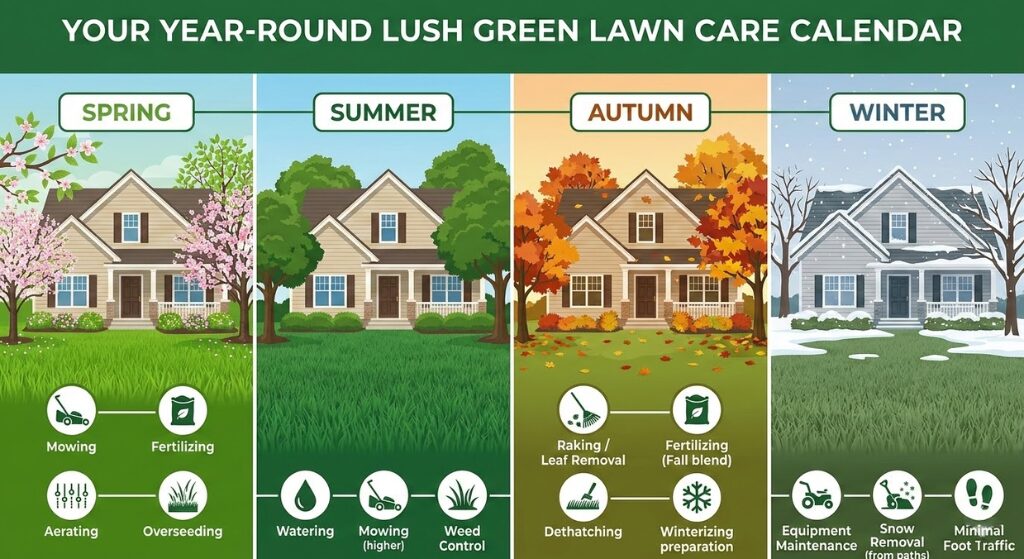
Every lawn decision you make — from the first fertilizer application of spring to the last mow of autumn — hinges on timing. This comprehensive calendar tells you exactly what to do, when to do it, and why it matters, so your lawn stays healthy, green, and resilient all 365 days of the year.
Why a Monthly Lawn Care Calendar Changes Everything
Most homeowners approach lawn care reactively — they mow when the grass looks too long, water when it starts to brown, and fertilize whenever the bag on the shelf seems relevant. The result is a lawn that lurches from problem to problem, never quite achieving that dense, uniform, envy-of-the-neighborhood quality that seems so effortless in magazine photos.
The secret isn’t a miracle product. It’s timing. Grass is a living organism with predictable growth cycles tied to soil temperature, day length, and rainfall patterns. When you align your care tasks with those natural rhythms, you work with the grass rather than against it. You fertilize when roots are actively absorbing nutrients, aerate when soil is moist but not waterlogged, and overseed when daytime temperatures allow germination but nighttime temperatures reduce weed competition.
This guide is built around that principle. Whether you’re maintaining a warm-season Bermuda grass lawn in Georgia or a cool-season Kentucky bluegrass lawn in Minnesota, the framework is the same: know your grass, know your climate zone, and follow a schedule that delivers the right intervention at the right moment.
Before diving into the monthly breakdown, it’s worth spending a few minutes understanding the basics. If you’re new to lawn ownership, our complete lawn care 101 guide covers the foundational concepts — grass anatomy, soil biology, and the core principles that underpin everything in this calendar.
How to Use This Calendar
Tasks are organized by month for the continental United States. If you’re in USDA hardiness zones 7–9 (the South), shift warm-season tasks about 4–6 weeks earlier. For zones 3–5 (the North), shift cool-season tasks about 3–4 weeks later. Coastal Pacific climates may differ significantly — use soil temperature (not calendar date) as your ultimate guide.
Year-Round Lawn Care at a Glance
The table below gives you a bird’s-eye view of the entire lawn care year. Use it as a quick-reference checklist before jumping into the detailed monthly sections below.
| Month | Season | Cool-Season Priority | Warm-Season Priority | Universal Tasks |
|---|---|---|---|---|
| January | Winter | Equipment maintenance, planning | Dormancy management | Tool sharpening, soil testing |
| February | Winter | Pre-emergent prep, last equipment check | First fertilizer in zones 9–10 | Weed scouting, thatch check |
| March | Spring | First mow, light fertilizer, overseed bare spots | Scalping, first mow | Pre-emergent crabgrass control |
| April | Spring | Fertilize, aerate if needed, weed control | Fertilize, start mowing schedule | Irrigation check, pH testing |
| May | Spring | Regular mowing, weed control, watering | Fertilize, post-emergent weeds | Establish mowing schedule |
| June | Summer | Raise mowing height, deep watering | Fertilize, mow regularly | Watch for heat/drought stress |
| July | Summer | Minimal intervention, water deeply | Mow, water, pest patrol | Insect scouting, avoid chemicals |
| August | Summer | Prepare for fall renovation | Last heavy fertilizer push | Dethatch if needed |
| September | Fall | Overseed, aerate, fertilize — peak season | Slow down fertilizing | Leaf management begins |
| October | Fall | Winterizer fertilizer, keep mowing | Final fertilizer before dormancy | Leaf removal, weed control |
| November | Late Fall | Final mow, winterize irrigation | Dormancy begins in most zones | Equipment winterization |
| December | Winter | Rest, plan, maintain equipment | Full dormancy most zones | Keep off frozen/frosted grass |
January: Rest, Recharge, and Prepare
January is the lawn’s deepest rest period, and it should be yours too — at least when it comes to active grass intervention. Most cool-season lawns are dormant, and warm-season grasses have been brown since November. This is the month where patience pays dividends: the worst thing you can do is apply products or traffic a dormant lawn unnecessarily.
But “rest” doesn’t mean “ignore.” January is prime time for the planning and preparation work that will make the entire season smoother.
Equipment Maintenance: Your First Priority
With no mowing pressure, you have the perfect window to service every piece of lawn equipment before spring demand hits. Dull mower blades don’t just make your lawn look ragged — they tear grass cells rather than cutting them cleanly, leaving jagged ends that turn brown and create entry points for disease. Learning how to sharpen lawn mower blades is one of the highest-ROI skills a lawn owner can develop, and January is when to do it.
✅ January Equipment Checklist
Soil Testing: Do It Now, Not Later
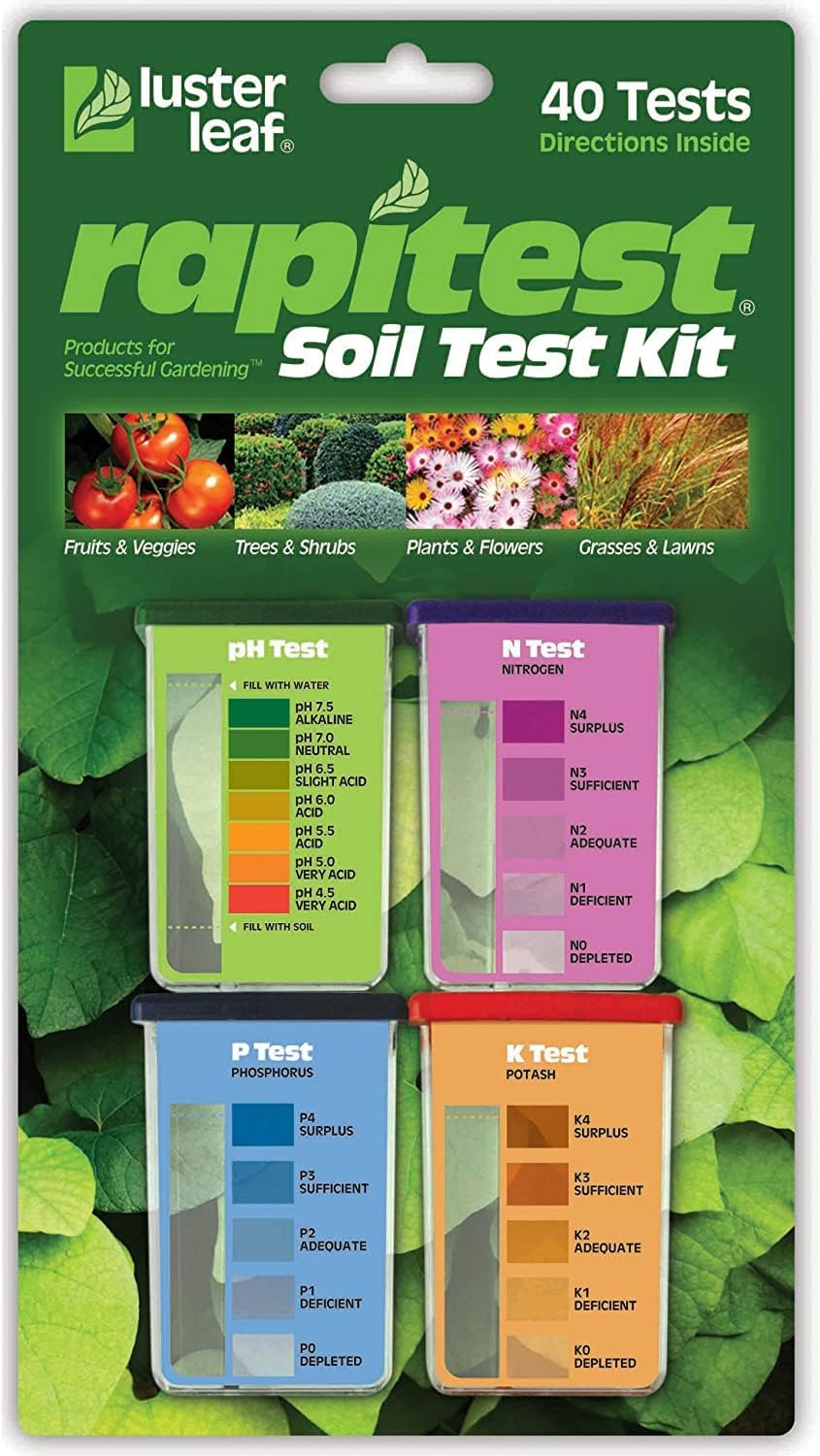
Soil tests take 1–3 weeks to process at most extension labs, and the results shape every product purchase you make for the entire year. Testing in January means you’ll have results in hand by late February — right before the first spring applications. Most county cooperative extension offices offer soil testing for under $20, and the data on pH, phosphorus, potassium, and organic matter content is invaluable.
A pH that’s even half a point out of range can lock up nutrients regardless of how much fertilizer you apply. The target range for most grasses is 6.0–7.0. If your results show acidic soil, plan to apply lime; alkaline soil may need sulfur treatments.
Lawn Traffic Rules in Winter
Dormant grass is fragile grass. The cells in each blade have reduced moisture content, and traffic — even foot traffic — can break those cells, creating brown patches that persist until spring growth resumes. Establish clear paths if you need to cross the lawn regularly, and minimize walking on frost-covered or frozen turf at all costs.
Don’t Apply Anything to a Dormant Lawn
Fertilizer, herbicides, and fungicides applied to a completely dormant lawn are wasted at best and damaging at worst. Soil temperatures below 40°F mean no microbial activity to process nutrients, and no root uptake to move them into the plant.
Planning Your Spring Attack
Use January evenings to map your lawn’s problem areas from last year. Were there bare spots from summer drought? Thatch buildup? Compaction from heavy foot traffic? Disease pressure? Document these while they’re fresh, so your spring plan is targeted rather than generic. Sketch a simple overhead diagram of your property and mark zones that need special attention: overseed here, aerate there, address drainage issue in the back corner.
February: The Last Quiet Month — Use It Wisely
February sits in an awkward position — winter isn’t done, but spring is visibly on the horizon. Soil temperatures are beginning their slow climb, and in southern zones (8 and above), warm-season grasses may start showing the first hints of green at the soil surface. In northern zones, the lawn remains solidly dormant, but the preparation window for a successful spring is closing fast.
Pre-Emergent Herbicide Timing Window
One of the most critical lawn care decisions of the entire year happens in late February to mid-March: pre-emergent crabgrass control. Pre-emergent herbicides work by creating a chemical barrier in the soil that prevents weed seeds from germinating. Miss the window and you’ll be fighting established crabgrass plants all summer — a far harder battle.
The standard rule is to apply pre-emergent when soil temperatures at 2-inch depth reach 50–55°F for three consecutive days. In the South, this can happen as early as mid-February. In the Midwest and Northeast, it typically falls between March 15 and April 15. Track soil temperature using a cheap probe thermometer or a local weather service’s gardening forecasts.
Southern Zone February Tasks (Zones 8–10)
If you live in Florida, the Gulf Coast, Southern California, or similar warm climates, February is not a quiet month at all. Bermuda, Zoysia, and St. Augustine lawns may require:
- Light fertilization with a slow-release formulation if soil temps are consistently above 55°F
- Spot-treating winter weeds (annual bluegrass, chickweed, henbit) before they set seed
- Irrigation check — turn on your system, inspect heads, and repair any winter damage before the dry season begins
- Pre-emergent application for crabgrass and other summer weeds
Thatch Assessment
Before snow melts completely, probe a few spots in your lawn with a trowel to check thatch depth. Thatch is the layer of dead and living organic material between the soil surface and grass blades. A little (under ½ inch) is beneficial — it acts as a cushion and insulator. More than ¾ inch blocks water, air, and nutrients from reaching roots. If February reveals heavy thatch, schedule dethatching or scarifying for early spring before active growth begins.
March: Spring Awakening — Handle With Care
March is simultaneously the most exciting and most dangerous month in the lawn care calendar. The grass is waking up, green is returning, and the temptation to fertilize heavily and mow aggressively is overwhelming. Resist it. Cool-season grasses coming out of dormancy have depleted root reserves and fragile cell walls. Pushing them too hard in early March can cause more harm than the entire summer.
For everything you need to know about optimizing your turf in this critical transition period, our dedicated guide on what to do to your lawn in spring digs even deeper into the nuance of timing each task correctly.
The First Mow of the Season
Wait until your lawn is actively growing — not just greening up, but actually extending blade length — before the first mow. For cool-season grasses, this typically means soil temperatures above 45°F and grass blades at 3–4 inches. Set your deck height at the highest or second-highest setting for the first cut. This removes the winter-damaged tips while leaving maximum leaf area for photosynthesis.
Never mow wet grass in early spring. The soft soil compresses easily under mower wheels, and wet blades tear rather than cut. Wait 24–48 hours after rain before mowing.
Scalping Warm-Season Lawns
Bermuda, Zoysia, Centipede, and St. Augustine lawns benefit enormously from scalping — cutting the lawn very short (1–1.5 inches) before the growing season begins. Scalping removes the dead brown thatch layer, allows sunlight to penetrate to the soil surface (warming it faster), and encourages the lateral spread of warm-season grass runners.
Scalp only when soil temperatures are consistently above 50°F and the lawn shows no green growth. If green shoots are already emerging, scalping will damage them.
Pre-Emergent Application
March is pre-emergent month for most of the country. Crabgrass (the #1 summer weed) germinates when soil temperatures hit 55°F at the 2-inch level — often right around when forsythia bushes bloom. Apply your pre-emergent granules or spray just before this threshold. Water it in with ½ inch of irrigation or rain within 48 hours of application.
Pre-Emergent vs. Overseeding — They Don’t Mix
Pre-emergent herbicides prevent ALL seeds from germinating, not just weed seeds. If you need to overseed bare spots, you’ll need to either skip the pre-emergent in those areas or use a different strategy (starter fertilizer + overseed first, then pre-emergent after 8–10 weeks).
Early Spring Fertilization — Cool-Season Lawns
A light, early-spring fertilizer application (0.5–0.75 lb nitrogen per 1,000 sq ft) gives cool-season lawns a gentle push without forcing excessive top growth at the expense of root development. Use a slow-release or organic formula in March rather than a quick-release product. Heavy nitrogen in early March on a lawn with shallow roots can actually weaken the plant by stimulating so much leaf growth that roots can’t keep up.
Rake and Clean-Up
Before any chemical applications, walk the entire lawn and rake out dead grass, leaves, and debris that accumulated over winter. Matted organic material blocks air and light, creates moisture pockets that harbor fungal diseases, and physically prevents new grass shoots from emerging. This is also the right time to evaluate whether you have a thatch problem requiring more aggressive action.
April: Full Spring Mode — The Productive Season
April is the most productive month of the lawn care calendar for cool-season grasses. Soil temperatures are in the optimal 50–65°F range, root systems are actively expanding, and the moderate temperatures allow applications to work exactly as intended. Everything you do in April pays dividends through the entire growing season.
Fertilizer Application: Getting the Rates Right
April’s main fertilizer application should deliver 1–1.5 lbs of nitrogen per 1,000 square feet for cool-season lawns. For warm-season grasses (which are just waking up), use a balanced formulation with nitrogen and potassium. Read your soil test results here — if phosphorus is adequate, choose a low-phosphorus formula; if potassium is low, choose a product with a higher K number in the N-P-K ratio.
Application method matters as much as product selection. A broadcast spreader gives the most even coverage and is worth the investment. Walk at a consistent pace, overlap passes slightly, and always apply half the dose in one direction and the other half perpendicular — this prevents striping from uneven coverage.
Soil pH Adjustment
If your January soil test revealed pH problems, April is the ideal correction window. Lime (to raise pH in acidic soils) reacts slowly with soil, so early spring applications have several months to take effect before fall seeding. Sulfur (to lower pH in alkaline soils) also benefits from warm, moist conditions to activate soil bacteria. Apply the rate recommended on your soil test — more isn’t better, and over-liming is as problematic as under-liming.
Irrigation System Startup
Walk your entire irrigation system in April and check every head for proper function. Winter can shift heads out of alignment, crack pipes, and freeze up solenoids. Repair any issues now before the dry season creates urgency. Set your controller for spring watering rates — typically 1 inch per week, applied in 2–3 sessions to encourage deep root growth rather than shallow, surface-dependent roots.
Broadleaf Weed Control
April is prime post-emergent broadleaf weed season. Dandelions, clover, plantain, and chickweed are actively growing and especially vulnerable to selective herbicides. Products containing 2,4-D, triclopyr, or mecoprop kill broadleaf weeds without harming established grass. Apply on a calm, dry day when temperatures are between 60–85°F and no rain is expected for 24 hours. Avoid applying to newly seeded areas or stressed grass.
| Grass Type | April Mowing Height | Fertilizer Rate | Watering | Key April Task |
|---|---|---|---|---|
| Kentucky Bluegrass | 2.5–3.5 in | 1 lb N/1,000 sq ft | 1 in/week | Overseed thin areas |
| Tall Fescue | 3–4 in | 0.75 lb N/1,000 sq ft | 1 in/week | Core aerate if compacted |
| Perennial Ryegrass | 2–3 in | 1 lb N/1,000 sq ft | 1 in/week | Weed control |
| Bermuda | 1–1.5 in | 0.5 lb N/1,000 sq ft | 0.5–0.75 in/week | First fertilizer push |
| Zoysia | 1–2 in | 0.5 lb N/1,000 sq ft | 0.75 in/week | Start mowing schedule |
| St. Augustine | 3–4 in | 0.75 lb N/1,000 sq ft | 1 in/week | Pre-emergent if needed |
| Centipede | 1.5–2 in | 0.5 lb N/1,000 sq ft | 0.75 in/week | Avoid over-fertilizing |

May: Momentum Building — Establish Your Rhythm
By May, the lawn care calendar settles into a rhythm that will carry through the summer months. For cool-season grasses, May represents peak growing season — ideal temperatures, reliable rainfall in most regions, and fully active root systems. For warm-season grasses, May marks the real start of the growing year as temperatures climb into the grass’s preferred range.
Mowing: Setting the Frequency
Cool-season grasses in May may need mowing twice a week if they’re in full growth mode and conditions are favorable. The key principle is the one-third rule: never remove more than one-third of the blade height in a single mowing. Cutting off more than a third shocks the plant, reduces photosynthetic capacity, and can expose the brown lower stem (called “scalping”).
Warm-season grasses should be mowed at their recommended heights — typically 1–2 inches for Bermuda and Zoysia, 3–4 inches for St. Augustine. Start your regular mowing schedule and commit to consistency. A lawn that’s mowed regularly at the right height develops denser lateral growth, fewer weed opportunities, and better drought tolerance than one mowed infrequently at varying heights.
Watering Practices in May
May is the month to establish the deep, infrequent watering habits that will protect your lawn through summer stress. Aim for 1 inch of water per week, delivered in 2–3 sessions rather than daily light irrigation. Deep watering encourages roots to grow down 4–6 inches (or more), where soil moisture is more consistent. Shallow daily watering produces shallow roots that struggle the moment you skip a day in July.
Water in the early morning (between 4–9 AM) so grass blades dry quickly. Evening watering leaves moisture on blades overnight, creating ideal conditions for fungal diseases. Understanding the nuances of irrigation timing is covered in detail in our guide on the best watering schedule for your lawn.
Second Weed Pass
Any broadleaf weeds that escaped the April application or germinated since then should be spot-treated in May. For large-area applications, a pump sprayer or backpack sprayer gives more precise placement than granular products. Spot treatment is more environmentally responsible and more economical than blanket applications for moderate weed pressure.
Natural Weed Control Strategy
The best weed control is a dense, healthy lawn. Weeds colonize thin, weak, or compacted turf. When you improve turf density through proper fertilization, mowing, and watering, weed populations naturally decline year over year without chemical escalation.
Grub Prevention Window
Japanese beetles and other grub-producing insects begin laying eggs in late June and July. Preventive grub control products (like imidacloprid or chlorantraniliprole) are applied in May–June and need to be in the soil before egg-laying begins to be effective. Preventive grubs products are far more effective than curative treatments applied to established grubs in August.
June: Transition to Summer — Shift Your Strategy
June is the month everything changes. Temperatures climb, rainfall becomes less reliable, and the management strategies that worked perfectly in April start to backfire. Cool-season grasses enter a period of slowed growth (or semi-dormancy in hot regions), while warm-season grasses hit their stride. Your entire care approach needs to pivot.
For a comprehensive deep-dive on managing this critical period, our summer lawn maintenance guide covers advanced strategies for both grass types through the hottest months.
Raise Your Mowing Height
This is the single most impactful June action for cool-season grasses: raise your deck height by at least half an inch. Longer blades provide several critical benefits during summer stress:
- Shade the soil surface — reducing soil temperature by 5–10°F and slowing moisture evaporation
- Deeper root growth — taller plants invest more in root depth
- More photosynthetic area — larger leaf area means the plant can sustain itself with less physiological effort
- Weed suppression — taller grass shades weed seeds, reducing germination
For tall fescue, raise from 3.5 to 4 inches. For bluegrass, raise from 3 to 3.5 inches. You’ll mow less often, and your lawn will be significantly more stress-tolerant for it.
Fertilizer Pause for Cool-Season Grasses
Stop heavy nitrogen applications on cool-season grasses in June. Pushing flush green growth when temperatures are above 85°F creates soft, disease-prone tissue and can cause “burning” of the lawn. If you fertilize at all, use a slow-release product at a modest rate (0.5 lb N/1,000 sq ft maximum) on cool-season lawns.
Warm-season grasses, on the other hand, hit peak nutrition demand in June. Bermuda, Zoysia, and Buffalo grass can handle 1–1.5 lbs N/1,000 sq ft this month. The key is application timing: early morning or evening, never in midday heat, and always watered in immediately.
Irrigation: The Summer Schedule
Increase watering frequency as temperatures rise, but maintain the deep, infrequent approach. One inch per week in mild summer weather; 1.5 inches per week when temperatures regularly exceed 90°F. Adjust for rainfall — a good rain gauge or smart irrigation controller eliminates guesswork and prevents overwatering, which causes its own set of problems. If you’re unsure whether you’ve been giving too much, watch for the common signs of an overwatered lawn.

July: Peak Heat — Survival Mode for Cool-Season Lawns
July is the test of everything you did in spring. A cool-season lawn that was properly cared for in March through May will sail through July with minimal intervention. One that was over-fertilized, mowed too short, or watered inconsistently will show every mistake in the form of brown patches, disease, and weed encroachment.
Allowing Dormancy: A Valid Strategy
In regions where July temperatures regularly exceed 90°F, allowing cool-season grass to go dormant is not a failure — it’s a wise management choice. Dormant grass is alive; it has pulled resources back to the crown and root system and simply stopped producing new top growth. A lawn can remain dormant for 3–4 weeks without permanent damage, as long as it receives minimal water (½ inch every 2–3 weeks) to keep the crown hydrated.
The mistake is inconsistency — letting the lawn go partially dormant, then drenching it with water and fertilizer, then letting it stress again. This on-off cycle damages the crown more than sustained dormancy.
Fungal Disease Watch
July’s combination of heat, humidity, and overnight dew creates ideal conditions for fungal diseases. Brown patch, dollar spot, and summer patch are the most common culprits in cool-season lawns. Warm-season lawns can suffer from Take-All Root Rot and Gray Leaf Spot.
Early identification is critical. Lawn rust fungus and other fungal issues spread rapidly when left untreated. If you notice circular brown patches, rings of bleached grass, or an orange-rust coating on blades, act immediately rather than waiting to see if it resolves itself.
Insect Scouting
July is when grub damage begins to show as irregular brown patches that don’t respond to watering. The turf will pull up like loose carpet when grubs have severed roots beneath. Perform the tuna can test: push a 3-inch deep core from a suspect area and count grubs. More than 5–6 per square foot justifies curative treatment. Chinch bugs (a serious warm-season pest) are also most active in July — look for yellowing turf in hot, sunny areas, especially near sidewalks and driveways.
July Minimal Intervention List
For cool-season lawns: mow at maximum height, water deeply 2x per week, no fertilizer, scout for pests and disease, and leave the lawn alone as much as possible. For warm-season lawns: maintain regular mowing, fertilize monthly, water as needed, and stay on pest patrol.
Weed Management in July Heat
Herbicide applications in July heat are risky. High temperatures increase volatility of some products, raising the risk of vapor drift onto ornamental plants. Many herbicide labels specifically warn against application when temperatures exceed 85–90°F. For spot treatments of particularly aggressive weeds, either wait for a cooler day (ideally below 80°F) or use a targeted gel application to minimize drift risk.
August: Transition Preparation — Setting Up for Fall Success
August is the month where lawn care splits dramatically between grass types. Warm-season grasses are still in full production mode, and the last major fertilizer push of the year happens now. Cool-season grasses are waking from summer dormancy or stress, and August preparation determines how well fall renovation will go.
Cool-Season Lawn: Wake-Up Protocol
As temperatures moderate in mid-to-late August, cool-season grasses begin recovering from summer stress. This is the time to:
- Resume normal mowing frequency as growth rate increases
- Gradually lower mowing height back to optimal range (but not all at once)
- Begin deep, consistent watering to bring any dormant sections back to life
- Evaluate which areas need overseeding, aeration, or more significant renovation in September
Dethatching Assessment
Late August is a reasonable time to dethatch cool-season lawns, but only if necessary. Thatch over ¾ inch thick impairs recovery in fall. Mechanical dethatching (with a power rake or vertical mower) is invasive — it tears through the turf and requires 4–6 weeks of recovery. By timing it in late August, you give the lawn exactly that recovery window before the first hard frost.
Warm-season lawns can be dethatched earlier (June–July) or in August if thatch is severe.
Warm-Season Lawns: Final Fertilizer Window
The last fertilizer application for warm-season grasses should happen no later than August 15 in most regions (September 1 at the absolute latest in the deep South). Late nitrogen stimulates tender new growth that won’t have time to harden off before the first frost. The result is freeze damage that can be severe in borderline-hardy Bermuda lawns. An August application of potassium-rich fertilizer (with moderate nitrogen) helps harden off warm-season grasses for the approaching dormancy season.
Bare Spot Rescue
August is your last realistic opportunity to repair major bare spots on warm-season lawns before dormancy. Spot-seed or lay sod in bare areas now — the warm soil will accelerate establishment before growth slows. For cool-season lawns, hold off on major overseeding until September when conditions are more favorable.

September: The Most Important Month of the Year
If you could only do serious lawn work one month a year, September would be it — at least for cool-season grass owners. September combines perfect soil temperatures for grass growth (60–70°F in most regions), reduced weed seed germination, adequate sunlight, and the beginning of the lawn’s most active root-building period of the year. Everything works better in September than any other month.
Core Aeration: Do It Now
September is the optimal aeration month for cool-season lawns. Core aeration — using hollow tines to remove plugs of soil — relieves compaction, reduces thatch, improves drainage, and dramatically enhances the uptake of fertilizer, water, and air into the root zone. The pulled cores break down on the surface over 2–3 weeks, returning nutrients to the soil.
Aerate when soil is moist (the day after watering or light rain is ideal) but not saturated. Run the aerator in two perpendicular passes for heavy compaction. Leave the cores on the surface — do not rake them up.
Overseeding: Thicken Your Turf
Immediately after aeration is the best possible time to overseed. Grass seed falls into aeration holes and makes direct contact with moist soil — germination rates of 85–95% are achievable in these conditions versus 40–60% from spreading seed on an unprepped surface.
Choose seed varieties appropriate for your climate and light conditions. For shady areas, fine fescue blends outperform bluegrass. For full-sun, high-traffic areas, improved turf-type tall fescue varieties or bluegrass blends deliver excellent results. Apply at the overseed rate specified on the bag (typically 2–4 lbs per 1,000 sq ft for overseeding, more for complete renovation).
September Overseed Success Formula
Aerate → Overseed → Starter fertilizer → Topdress with ¼ inch compost → Water lightly twice daily until germination (7–14 days) → Reduce to deep weekly watering. Follow this sequence and you’ll see measurable density improvement by November.
Fall Fertilization: The Biggest Application of the Year
The September/October fertilizer application is the most important of the year for cool-season lawns. Roots are actively absorbing nutrients and storing carbohydrates for winter survival and spring green-up. Apply 1–1.5 lbs nitrogen per 1,000 sq ft with a quality slow-release or organic product. If your soil test showed low potassium, use a balanced K-containing formula — potassium improves cold hardiness and disease resistance.
For warm-season grasses, September means winding down. A light application (0.5 lb N/1,000 sq ft) early in the month is acceptable in most zones, but hold off after mid-September to allow the lawn to begin its hardening-off process.
September Weed Control
Broadleaf weeds in fall are vulnerable and easier to kill than at other times of year. Cool-season weeds like chickweed, hairy bittercress, and annual bluegrass are germinating now — catch them in the 2–4 leaf stage before they establish. A post-emergent broadleaf herbicide applied in early September, followed by a pre-emergent for winter annuals, provides excellent season-long coverage.
October: Winterize and Protect — The Last Productive Month
October is about completing the fall renovation program and beginning the transition toward winter dormancy. For cool-season lawns, the root-building season continues, and any overseeding from September should be establishing nicely. The focus now shifts to feeding for winter hardiness, managing leaf litter, and making the final decisions that will shape next spring’s starting point.
Winterizer Fertilizer: The Insurance Policy
The “winterizer” fertilizer concept is well-founded in plant science. In October, grass plants are metabolizing carbohydrates into the crown and roots for cold-weather survival. A nitrogen-potassium application at this time supports that process without stimulating the soft, frost-susceptible top growth that early-season nitrogen produces.
Apply winterizer fertilizer when grass is still actively growing (not frozen), typically when daytime temperatures are 40–60°F. Use a product with a high potassium number relative to nitrogen — something like 12-0-12 or 10-0-20 rather than a standard 30-0-4 product. The potassium component enhances cell membrane integrity and cold hardiness.
Leaf Management: More Critical Than Most Realize
Leaves left on the lawn are not benign mulch. A heavy leaf layer (anything more than a light coating) blocks sunlight and air from reaching grass blades, trapping moisture and creating ideal conditions for snow mold and other fungal diseases. Beyond disease risk, a thick mat of wet leaves physically crushes grass blades, creating bare areas that are slow to recover in spring.
Your options are: mulch-mow thin layers (a mulching mower shreds leaves into fine particles that decompose quickly), blow and bag heavy deposits, or compost them. Mulching in place is the eco-friendly and labor-efficient choice for light leaf coverage; heavier deposits need removal.
Final Mowing Height
As you approach the season’s last mow, gradually lower your cool-season grass to its minimum recommended height (about 2–2.5 inches for bluegrass, 2.5–3 inches for fescue). Going into winter at a shorter height reduces snow mold risk (long grass matted under snow creates ideal mold conditions) while still leaving adequate leaf area.
Aeration and Seeding Completion
October is the last reasonable month to aerate and overseed cool-season lawns. Seed sown by mid-October in most zones will have enough time to germinate and establish a root system before hard frost. After October 15 in the northern half of the country, overseeding becomes “dormant seeding” — sowing seed that will overwinter and germinate in early spring. This can work but has lower and less predictable germination rates than fall seeding.

November: Final Preparations — Ready the Lawn for Winter
November is the countdown month. The growing season is winding down, temperatures are dropping, and the focus shifts almost entirely to protecting what you’ve built rather than adding to it. The decisions made in November set the condition of your lawn when it emerges in spring.
For a complete picture of what needs to happen before the cold sets in, our dedicated piece on how to prepare your lawn for winter covers dormancy management, irrigation winterization, and protection strategies in detail.
Irrigation System Winterization
Failing to winterize your irrigation system is one of the most expensive mistakes a homeowner can make. Water left in pipes and heads freezes, expands, and cracks — repairs can run into the hundreds or thousands of dollars. The timing for blowout varies by region: late October in zones 4–5, early to mid-November in zones 6–7, December in zones 8+.
Compressed air blowout (typically done by a licensed irrigation professional) forces every drop of water out of the system. Drain valves at low points in the system should also be opened. Remove and store any exposed above-ground equipment.
Final Mow and Cleanup
The last mow of the season should be at the intended winter height — slightly shorter than the summer setting for cool-season grasses. Make sure all debris, leaves, and clippings are removed from the surface. A clean lawn going into winter is significantly less prone to snow mold and vole damage than one entering winter with accumulated organic material on the surface.
Equipment Storage
Gas-powered equipment should have fuel either completely drained (run the engine until it stops from fuel starvation) or treated with fuel stabilizer if you prefer to store with fuel in the tank. Battery-powered equipment should be stored with batteries charged to approximately 50%—a full charge or complete discharge shortens lithium battery lifespan. Store mowers, trimmers, and blowers in a dry, protected location.
Don’t Apply Weed Killer in November
Herbicide effectiveness drops sharply once temperatures fall below 50°F. Most broadleaf herbicides require active plant growth to work — applying to dormant or semi-dormant plants wastes product and can leave residues in soil that affect spring germination.
December: Full Dormancy — Respect the Rest Period
December is, in most ways, the twin of January. The lawn is fully dormant in most regions, and the best care you can provide is simply leaving it alone. But December has a few unique considerations worth addressing.
Salt Damage Prevention
If you use ice melt products on driveways and sidewalks, be mindful of overspray and runoff onto lawn areas. Rock salt (sodium chloride) and calcium chloride both damage grass when concentrated in soil. The damage typically shows up in spring as brown streaks or patches along hardscape edges.
Solutions: use sand or kitty litter for traction instead of salt, choose “lawn-safe” ice melt products (calcium magnesium acetate or potassium chloride), or divert salt runoff away from lawn areas. For established damage, heavy watering in early spring dilutes and flushes salt ions out of the root zone.
Avoid Lawn Traffic on Frozen Ground
Frozen grass blades are brittle. Walking on frost-covered turf physically breaks cell walls in each blade. The result is brown footprint patterns that persist for weeks after the thaw. Route foot traffic on designated paths or stepping stones and keep children and pets off frozen turf whenever possible.
Planning for the New Season
Use December evenings productively. Review what worked and what didn’t in the lawn this year. Did the overseeding in September produce the density improvement you wanted? Did brown patch show up in the same areas as last year? Was water usage excessive relative to results? Set goals for next season and plan your product and tool purchases before spring rush depletes retail inventory.
December Action Items
Order grass seed and soil amendments now (they’re cheaper and more available than in spring), review your lawn plan for next year, check snow blower / plow readiness, and replace any damaged or worn small tools while winter sales are active.
Lawn Care Schedules by Grass Type
The calendar above provides the general framework, but grass type is one of the most significant variables in lawn care timing. Here’s how the monthly schedule adjusts for the most common grass types across the United States.
Cool-Season Grasses
| Task | Kentucky Bluegrass | Tall Fescue | Fine Fescue | Perennial Ryegrass |
|---|---|---|---|---|
| Mow Height (Summer) | 3–3.5 in | 3.5–4 in | 2.5–3.5 in | 2.5–3 in |
| First Fertilizer | Early April | Mid April | Mid April | Early April |
| Best Overseed Month | September | September | September | September |
| Aerate | Sept–Oct | Sept–Oct | Sept–Oct | Sept–Oct |
| Annual Fertilizer (lbs N) | 3–4 lbs | 2–3 lbs | 1–2 lbs | 2–3 lbs |
| Summer Dormancy Risk | Moderate | Low | Moderate | Moderate |
Warm-Season Grasses
| Task | Bermuda | Zoysia | St. Augustine | Centipede | Buffalo |
|---|---|---|---|---|---|
| Mow Height (Summer) | 1–1.5 in | 1–2 in | 3–4 in | 1.5–2 in | 2.5–4 in |
| First Fertilizer | April–May | April–May | April–May | May–June | May–June |
| Last Fertilizer | August | August | August | July | July |
| Aerate | May–June | May–June | April–June | May–June | May–June |
| Annual Fertilizer (lbs N) | 3–5 lbs | 2–4 lbs | 2–4 lbs | 1–2 lbs | 1–2 lbs |
| Winter Dormancy | October–March | October–March | Short/Mild | October–April | October–April |
Pros and Cons: Cool-Season vs. Warm-Season Grass Management
✅ Cool-Season Advantages
- Peak beauty in spring and fall when entertaining is common
- Better performance in shade
- Natural self-healing through tillering
- Tolerates broader pH range
- Excellent cold hardiness (to zone 3)
❌ Cool-Season Challenges
- Summer dormancy in hot climates
- Higher disease susceptibility in heat
- May require more irrigation in July/August
- Requires more precise management transitions
✅ Warm-Season Advantages
- Thrives in heat and drought once established
- Lower summer watering requirements
- Aggressive spreading repairs damage quickly
- Fewer fungal disease issues in hot weather
- Lower annual fertilizer needs (Centipede, Buffalo)
❌ Warm-Season Challenges
- Winter dormancy means brown lawn for months
- Poor shade tolerance (especially Bermuda)
- Limited range — struggles above zone 7
- Thatch buildup can be aggressive (Bermuda, Zoysia)
Essential Tools for Every Season
The right tools make every task on this calendar faster, easier, and more effective. Here’s a breakdown of what you actually need — not an exhaustive list, but the core items that cover the majority of lawn care tasks.
| Tool | Season(s) Used | Priority | Notes |
|---|---|---|---|
| Lawn Mower | March–November | Essential | The single most-used tool; buy the best you can afford |
| Broadcast Spreader | March, April, Sept, Oct | Essential | Even fertilizer/seed distribution; edgeguard models reduce waste |
| Core Aerator | September (cool-season), May (warm-season) | Important | Rent annually or buy if you have ¼ acre+ |
| Garden Hose / Sprinkler | April–October | Essential | Oscillating or rotor-type for even coverage |
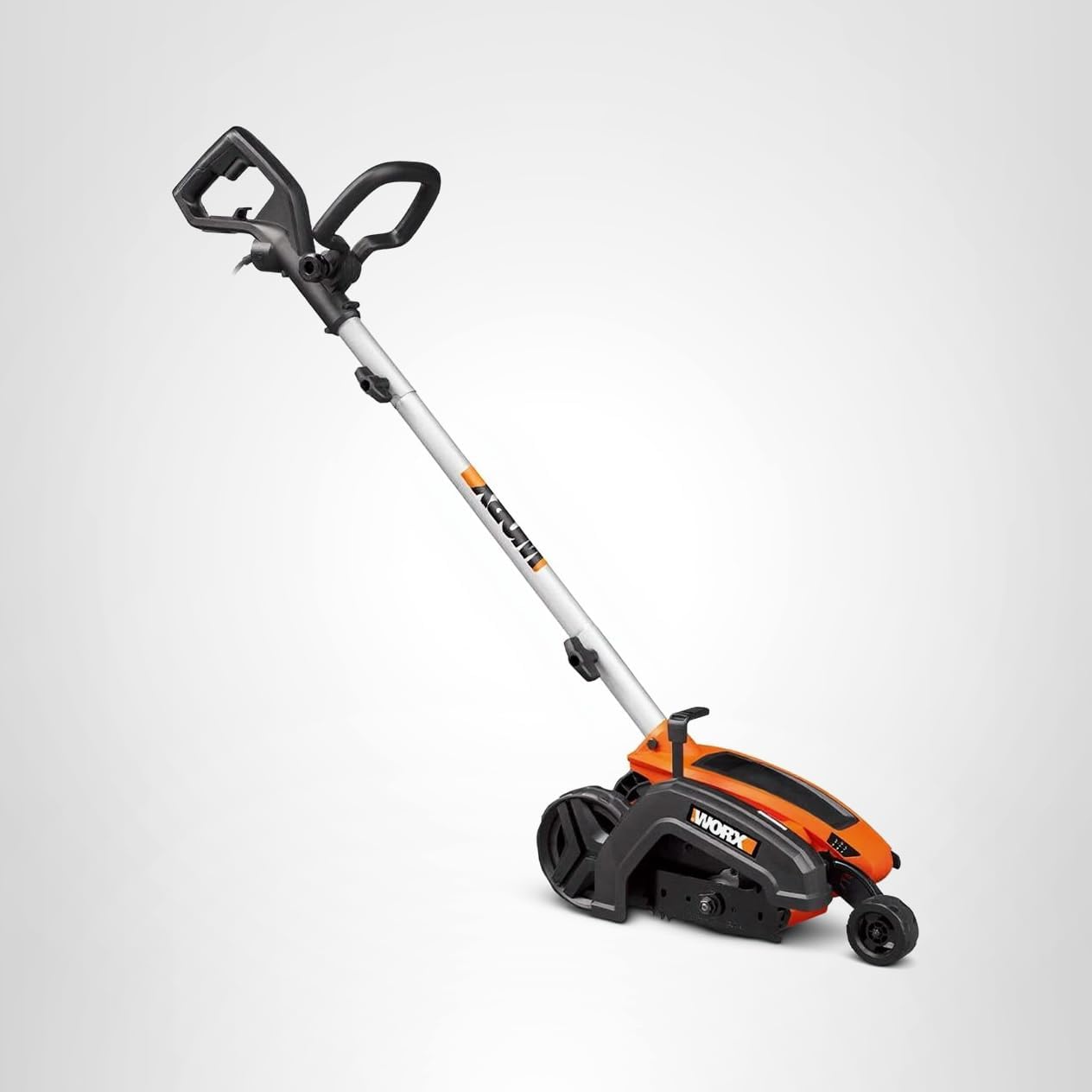
| String Trimmer | April–October | Essential | Edge work and trimming around obstacles |
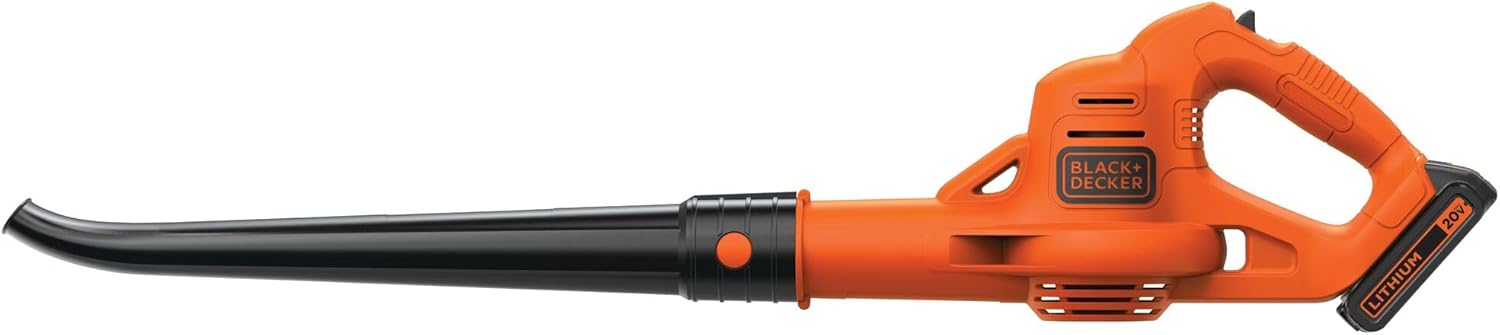
| Leaf Blower | October–November | Important | Cordless battery models offer best balance of performance and convenience |
| Pump Sprayer (2-gal) | March–October | Important | Liquid herbicide and fertilizer applications |
| Soil Probe / Thermometer | February–October | Useful | Critical for timing pre-emergent and seeding decisions |
| Power Dethatcher | Aug–Sept (cool), June–July (warm) | Situational | Only needed if thatch exceeds ¾ inch |
| Rain Gauge | March–October | Useful | Removes guesswork from irrigation decisions; cheap and effective |
Blade Maintenance = Better Results All Year
Sharp mower blades are probably the most underrated factor in lawn health. Dull blades tear grass rather than cutting it cleanly, causing stress and opening the turf to disease. Sharpen blades every 20–25 hours of use — roughly every 6–8 weeks of regular mowing. If a mower won’t start after storage, our troubleshooting guide on lawn mowers that won’t start covers every common cause and fix.

Frequently Asked Questions
Here are the most common questions homeowners have about monthly lawn care scheduling, timing decisions, and seasonal best practices.
When is the best time to fertilize my lawn?
Timing depends on your grass type. Cool-season grasses (Kentucky bluegrass, fescue, ryegrass) respond best to fertilization in early spring (April), and even more importantly, in fall (September–October). The fall application is the most critical of the year because roots are actively building reserves. Avoid heavy nitrogen applications in summer heat.
Warm-season grasses (Bermuda, Zoysia, St. Augustine) should be fertilized during their active growth period: April through August. The last application should be no later than early-to-mid August to prevent cold-tender growth before dormancy.
How often should I mow my lawn each month?
Mowing frequency should be driven by growth rate, not the calendar. The one-third rule is your guide: mow whenever the grass reaches 1/3 above its target height. In peak spring and fall growth (April–May, September–October), cool-season grasses may need mowing 1–2 times per week. In summer heat, the same lawn may only need mowing once every 10–14 days if it’s semi-dormant.
Warm-season grasses at peak summer growth (June–August) typically need mowing weekly. Consistency at the right height produces a denser, healthier, weed-resistant turf far better than irregular heavy cuts.
What month should I aerate my lawn?
For cool-season grasses, September is the optimal aeration month. It aligns perfectly with peak root growth, ideal overseeding conditions, and pre-fall fertilization. October is also acceptable. Spring aeration (April) is possible but less ideal because spring weed seeds can colonize the aeration holes.
For warm-season grasses, aerate in late spring (May–June) when the grass is in active growth and can recover quickly. Avoid aerating dormant warm-season lawns in fall or winter.
Can I overseed in spring or only in fall?
Both seasons work for cool-season grasses, but fall (September) is significantly better for several reasons. Fall seeding faces less weed competition, soil temperatures are in the optimal germination range (60–70°F), and newly established seedlings have the entire cool fall to develop roots before winter. Spring seeding (March–April) works but competes with crabgrass pre-emergent timing and often faces summer heat before the seedlings are fully established.
If you must spring-seed, do it as early as possible (late March in warm regions, April in the North), skip pre-emergent herbicide in seeded areas, and be prepared to water more frequently during summer establishment.
When should I apply pre-emergent weed killer?
Pre-emergent herbicide for crabgrass should be applied when soil temperatures at 2-inch depth reach 50–55°F for several consecutive days. In practical terms, this means late February to mid-March in the South (zones 7–9), March to early April in the Midwest and Mid-Atlantic (zones 5–6), and mid-April in the North (zones 3–4).
A common timing cue: apply when forsythia shrubs are in full bloom. This coincides well with the crabgrass germination window across most of the country. Always water in pre-emergent within 48 hours of application and keep it away from any areas you plan to overseed.
How do I deal with bare patches in my lawn?
The best approach depends on the cause and season. For small bare spots in fall (the ideal time), scratch the soil surface with a hand rake, apply seed at twice the normal overseeding rate, top-dress with a thin layer of compost, and water twice daily until germination. For spring repairs, use a seed-starter product with tackifier to hold seed in place and retain moisture.
Before reseeding, identify the cause. Compaction, disease, grubs, dog urine, shade, or chemical burn all require different remediation before the seed will establish. Seeding over an unresolved problem rarely produces lasting results. Our detailed guide on how to remove dead grass from your lawn covers all major causes and step-by-step repair processes.
How much should I water my lawn in summer?
Most lawns need 1 to 1.5 inches of water per week in summer, including rainfall. The key is delivery method: deep, infrequent watering (2–3 times per week) produces deep roots that tolerate drought far better than daily shallow watering. Apply ½ to ¾ inch per session, early in the morning so blades dry before nightfall.
Adjust for soil type: sandy soil needs more frequent, lighter watering because it drains quickly. Clay soil needs less frequent but longer sessions to penetrate. Use a simple tuna can or rain gauge to measure actual output from your sprinkler system — you may be surprised how little (or how much) you’ve been applying.
Should I leave grass clippings on the lawn?
Yes — in most cases, leaving clippings on the lawn (grasscycling) is beneficial. Grass clippings are approximately 80–85% water and break down rapidly, returning nitrogen, potassium, and other nutrients to the soil. Research suggests that regular grasscycling can reduce fertilizer requirements by 25% over the course of a season.
The exception: don’t leave heavy clumps of clippings when grass has gotten too long before mowing. Large clumps shade grass beneath them and can cause localized yellowing. In these situations, mow twice (once to cut, once to disperse) or bag the excess.
When is it too late to fertilize in fall?
For cool-season lawns, late November is typically the cutoff for the “winterizer” fertilizer application. Apply the last fall fertilizer when the grass is still growing — typically when daytime temperatures are above 40°F and the lawn needs its last mow. Fertilizing after the lawn has fully stopped growing wastes the product since roots aren’t absorbing nutrients.
For warm-season lawns, August 15 to September 1 is the general cutoff for nitrogen applications. Later nitrogen stimulates growth that can’t harden off before frost, increasing freeze damage risk. A potassium-only application in September is acceptable for warm-season lawns to improve cold hardiness.
My lawn is yellow — is it lack of nitrogen or something else?
Yellowing (chlorosis) has many potential causes, and reaching for the fertilizer bag isn’t always the right response. Common causes include: nitrogen deficiency (uniform pale yellowing, resolved by fertilizing), iron deficiency (yellowing between dark green veins, common in high-pH soils), drought stress (yellowing with curling blades), overwatering (yellowing with soft soil, root rot), disease (circular patterns), grub damage (irregular patches that pull up easily), and pH problems (many nutrient deficiencies are actually pH-driven).
The correct diagnosis requires examining the pattern and distribution of yellowing, checking soil moisture, testing pH, and looking for physical damage to roots and crowns. A soil test eliminates guesswork on the nutrient and pH fronts.
Conclusion: Consistency Beats Intensity
The month-by-month lawn care calendar distills decades of horticultural research into a practical, actionable framework. But the most important insight isn’t any particular task or product — it’s timing. A modest fertilizer application at the right moment outperforms a heavy application at the wrong one. An aeration job done in September delivers five times the benefit of the same job done in June on a cool-season lawn. Pre-emergent applied 10 days late might as well be skipped entirely.
The second major theme is restraint. More fertilizer isn’t better. More water isn’t better. More mowing isn’t better. The lawn care calendar is as much about knowing what not to do in a given month as it is about what to do. Protecting a cool-season lawn from aggressive intervention in July is as important as the aggressive fall renovation that follows.
Finally, documentation matters. The homeowner who keeps even simple notes about what they applied, when, and what results they observed makes genuinely better decisions each year. The lawn that looked best in October — what did you do differently in September? The brown patch that appeared in July — did the same area show issues the year before? Your lawn has patterns, and recording them is how you start to crack its code.
Use this calendar as your foundation. Adapt it to your grass type, your climate zone, and your own observations. And don’t let perfect be the enemy of good — a lawn that receives 70% of this calendar’s recommendations, done consistently, will be dramatically better than one that receives sporadic intensive bursts of activity followed by weeks of neglect.
Ready to Transform Your Lawn?
Explore our full library of lawn care guides — from mower reviews to fungus treatments to seasonal deep-dives — and build the yard you’ve always wanted.