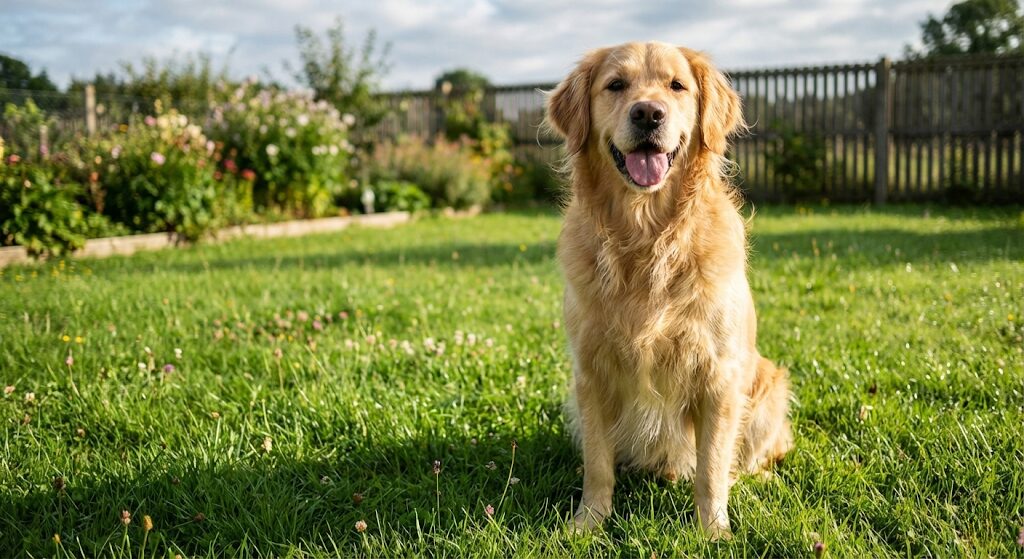
Restoring Your Lawn: The Definitive Strategy to Eradicate and Prevent Dog Urine Spots
Don’t let your best friend ruin your perfect turf. Discover the exact science and step-by-step methods to neutralize, repair, and prevent dog urine burn spots on your grass.
1. The Yellow Spot Dilemma
You invest hours into aerating, fertilizing, and mowing your lawn to achieve that pristine, golf-course green. Then, you let your beloved dog out to do their business. A few days later, devastating yellow craters begin appearing across your once-perfect turf. It is a frustrating battle faced by millions of pet owners, leading many to search desperately for ways to understand troubleshooting various lawn problems and solutions.
The internet is overflowing with old wives’ tales and harmful home remedies—like pouring baking soda or tomato juice on your lawn—that often end up killing the grass faster than the dog urine did. Fixing these burn spots requires a basic understanding of turf chemistry and a systematic approach to soil repair.
In this comprehensive guide, we will break down exactly how to fix dog urine burn spots on grass. We will cover the underlying science, the step-by-step physical repair process, and the dietary and landscaping adjustments you can make to stop the spots from returning.
2. The Science: Why Does Dog Urine Kill Grass?
To fix the problem, you must understand the weapon. The primary culprit behind dog urine burns is not acidity, as many people assume, but rather a massive concentration of nitrogen and salts.
Nitrogen is a primary macronutrient required for grass growth; it is the main ingredient in almost all commercial lawn fertilizers. When you apply fertilizer correctly, it is spread thinly and evenly across the lawn. However, when a dog urinates, it delivers a massive, highly concentrated dose of liquid nitrogen to one tiny, specific area.
The Chemical Burn Effect
This localized nitrogen overload acts just like spilled fertilizer. The sheer volume of nitrogen and accompanying salts aggressively pulls moisture out of the grass roots through reverse osmosis. The grass essentially dies from rapid dehydration and chemical burning, leaving a dead yellow center.
Interestingly, around the outer edge of the puddle where the urine was diluted, the nitrogen levels drop to a beneficial amount. This is why dog urine spots almost always feature a dead brown center surrounded by a ring of incredibly lush, hyper-green, fast-growing grass.
3. Identification: Is It Dog Urine or Lawn Fungus?
Before you begin a repair process, you must confirm the diagnosis. A common mistake homeowners make is assuming a brown spot is dog urine when it is actually a fungal infection.
| Feature | Dog Urine Burn | Brown Patch / Lawn Fungus |
|---|---|---|
| Outer Edge | Dark, hyper-green ring of rapidly growing grass. | No green ring. Often features a dark, smoky, or grayish ring. |
| Pattern | Distinct, circular, and usually located where the dog frequents. | Irregular, spreading patches that grow outward in the humidity. |
| Morning Signs | Dry, dead grass in the center. | May show white, cobweb-like mycelium when the dew is present. |
| Grass Blades | Blades are completely scorched and dried out to the root. | Blades may have distinct tan or brown lesions with dark borders. |
If you determine the issue is fungal, you will need a completely different strategy involving fungicides, rather than a urine repair protocol.
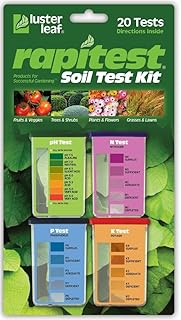
Diagnose Your Soil Health
Don’t guess what your lawn needs. A simple, at-home soil test kit will reveal if your grass is suffering from nitrogen overload (from urine) or if the pH levels are out of balance.
Check Price on Amazon4. Immediate First Aid: The Flush Method
If you catch your dog in the act of urinating on your prized turf, you have a brief window to prevent the burn entirely. The solution to pollution is dilution.
Immediately grab the garden hose or a large watering can and flood the exact spot where the dog urinated. You want to apply at least a gallon of water to the area. Doing this within 5 to 10 minutes of the event dilutes the concentration of nitrogen and washes the heavy salts deep into the soil profile, past the delicate root zone of the grass. The diluted nitrogen will actually act as a mild, beneficial fertilizer, turning the grass green rather than killing it.
5. Step-by-Step: How to Fix Existing Burn Spots
If the spot is already brown and dead, flushing it with water will no longer save the grass. The roots are dead, and the soil is contaminated with residual salts. To fix it, you must follow a systematic repair protocol, very similar to the methods used when learning how to revive a dead lawn.
Rake Out the Dead Debris
Using a stiff metal garden rake, aggressively scratch out the dead, brown grass in the center of the spot. You must expose the bare soil beneath. New grass seed cannot germinate if it is sitting on top of dead thatch.
Flush and Neutralize the Soil
Even though the grass is dead, the soil is still toxic with salts. Soak the bare patch heavily with water to push the remaining nitrogen down. To further repair the soil structure, apply a handful of pelletized gypsum (calcium sulfate) to the spot. Gypsum helps displace the sodium in the soil, restoring its ability to absorb water and support new root growth.
Add Fresh Organic Matter
Top the bare patch with a half-inch layer of high-quality, fine compost or specialized lawn repair topsoil. This introduces healthy microbes back into the burnt area and provides a nutrient-rich bed for your new seed.
Reseed the Patch
Sprinkle a high-quality grass seed over the compost. Do not bury the seed deep; it should sit just below the surface. Gently tamp it down with your foot so the seed makes firm contact with the soil.
Water Consistently
Grass seed is fragile. You must adhere to the best watering schedule for lawn recovery. Mist the patch lightly twice a day to keep the top inch of soil continuously moist until the new grass reaches about two inches in height.
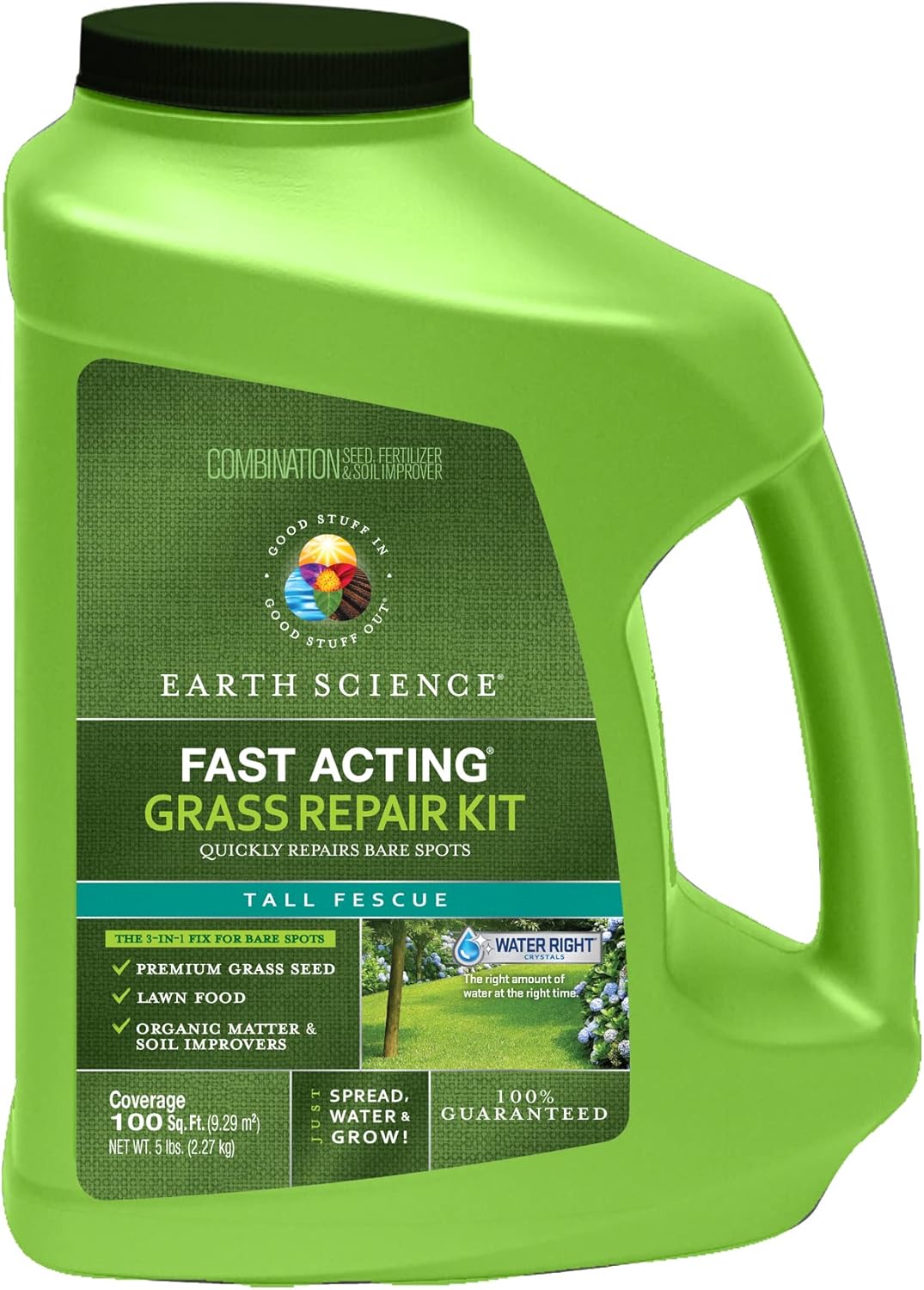
The Ultimate Patching Solution
Make spot repairs effortless. All-in-one patching mixtures contain premium grass seed, expanding mulch to hold moisture, and organic soil amendments specifically designed to neutralize urine salts.
Shop Lawn Repair Mixes6. Choosing the Right Grass Seed for Repairs
Your repair strategy will differ drastically depending on the specific types of grass for lawns you have planted in your yard.
Warm-Season Spreading Grasses
If you have Bermuda, Zoysia, St. Augustine, or Centipede grass, you are in luck. These grasses spread aggressively via above-ground stolons and below-ground rhizomes. If a urine spot is smaller than a dinner plate, you often do not need to reseed. Simply rake out the dead grass, flush the soil with water and gypsum, and the surrounding healthy grass will naturally creep in and fill the hole over a few weeks.
Cool-Season Clumping Grasses
If you have Tall Fescue, Perennial Ryegrass, or certain varieties of Kentucky Bluegrass, these are “bunch-type” grasses. They do not spread aggressively to fill bare areas. If dog urine kills a patch of Fescue, that patch will remain bare mud (or fill with weeds) forever until you intervene and physically plant new seed in that exact spot.
7. Dietary & Behavioral Prevention
Repairing spots is exhausting. The ultimate goal is prevention. If you can modify your dog’s habits or biology slightly, you can save your lawn.
- Increase Hydration: The most effective way to lower the nitrogen concentration in urine is to dilute it at the source—inside the dog. Encourage your dog to drink more water by placing multiple water bowls around the house, adding ice cubes to their water, or mixing warm water/broth into their dry kibble at meal times.
- Create a Designated Potty Area: Train your dog to use a specific area of the yard. Sacrifice a 10×10 foot area hidden behind a shed or in a back corner. Cover it with pea gravel, cedar mulch, or artificial turf. When you let the dog out, lead them to this area with a leash and reward them heavily when they use it.
- Dog Urine Supplements: Products like “Dog Rocks” (paramagnetic igneous rocks placed in the water bowl) claim to filter out impurities like tin and nitrates from the water, lowering the urine’s burning potential. There are also chewable supplements containing DL-Methionine or Yucca that slightly alter the urine’s pH. Always consult your veterinarian before adding any supplements to your dog’s diet.
8. Lawn Care Tactics for Prevention
A weak, stressed lawn will burn instantly when hit with dog urine. A thick, healthy, deeply-rooted lawn has a much higher tolerance to chemical burns. Adjusting your basic lawn care routine can provide a natural defense.
Mow High and Water Deep
Raise your mower deck to the highest acceptable setting for your grass type (usually 3 to 4 inches for cool-season grasses). Taller grass has deeper, more robust root systems that can better withstand nitrogen shocks. Furthermore, taller grass physically hides the yellow spots better than scalped turf. When watering, water deeply and infrequently (e.g., 1 inch of water once a week) to flush accumulated salts deeper into the subsoil.
Additionally, adjust your fertilizer routine. Since your dog is essentially applying liquid nitrogen to the lawn daily, you should cut back on the amount of synthetic nitrogen fertilizer you apply to the backyard. Over-fertilizing a lawn that is already receiving dog urine will guarantee severe chemical burns.
9. Final Conclusion: Coexisting with Your Canine
Figuring out how to fix dog urine burn spots on grass doesn’t require a degree in agronomy; it requires prompt action and an understanding of soil chemistry. By avoiding myths like baking soda and focusing instead on flushing the nitrogen, neutralizing the salts with gypsum, and reseeding properly, you can restore your turf to its former glory.
Remember that a perfect lawn and a happy dog don’t have to be mutually exclusive. By increasing your pet’s hydration, training them to use a designated mulch area, and maintaining a taller, healthier cut of grass, you can protect your investment and enjoy your backyard sanctuary together.
Explore Lawn Care 101 for More Expert Tips