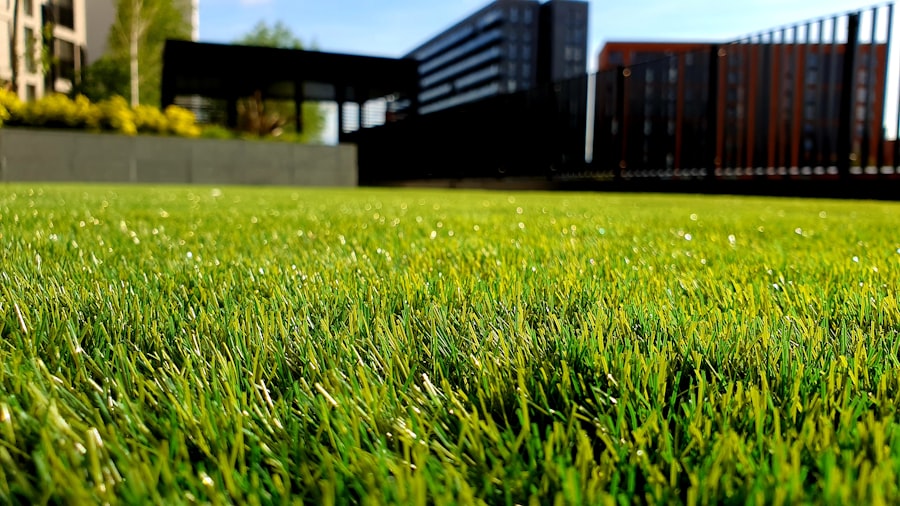
Lawn aeration timing advice is full of conflicting information — partly because the United States spans multiple climate zones, partly because different grass types need aeration at different points in their growth cycle, and partly because generic advice ignores the real variation between states. The right time to aerate a lawn in Georgia is completely different from the right time in Minnesota, and getting it wrong — aerating a warm-season bermudagrass lawn in fall, or a cool-season bluegrass lawn in midsummer — produces negligible benefit or active harm.
This guide cuts through the confusion with state-specific timing for every location on your list: Georgia, Indiana, Iowa, Maryland, Massachusetts, Michigan, Minnesota, Nebraska, New Jersey, Ohio, and Texas (including North Texas). Each state section tells you the exact window, the grass species driving that timing, and any regional nuance within the state worth knowing.
1. Why Aeration Timing Matters So Much
Core aeration pulls plugs of soil from the lawn, opening channels for air, water, and nutrients to penetrate the root zone. The grass then responds by sending roots into these new channels and filling the holes with dense new growth — but only when the grass is in an active, vigorous growing phase. Aerate during dormancy or during heat/drought stress and the grass cannot capitalize on the opportunity. The holes close without any root expansion benefit, and in the worst cases, aeration stress pushes an already-struggling lawn into decline.
The timing goal is simple: aerate when the grass is growing actively but not under stress. For cool-season grasses, that peak window is the second growth flush of late summer and fall. For warm-season grasses, it’s the primary summer growth period after the lawn has fully greened up and before any late-season stress arrives.
Your state’s location matters less than your specific grass species. A tall fescue lawn in Georgia (yes, they exist in the northern mountains) follows cool-season timing, not the warm-season schedule that applies to bermuda and zoysia lawns in Atlanta. Identify your grass before checking the calendar. Our complete guide to lawn grass types helps you identify your species if you’re unsure.
2. The Two Aeration Windows: Cool-Season vs. Warm-Season Grasses
Cool-Season Grasses: Fall Is Your Window
Cool-season grasses — Kentucky bluegrass, tall fescue, perennial ryegrass, fine fescues — grow most actively in spring and fall, with a summer slowdown. The fall growth flush is the most productive window for aeration because soil temperatures are warm enough to support root growth (above 50°F at 4-inch depth) while air temperatures are cooling, reducing stress. Aerating in fall also pairs naturally with overseeding and winterizer fertilizer application for a comprehensive lawn improvement programme.
Cool-season states covered in this guide: Indiana, Iowa, Massachusetts, Michigan, Minnesota, New Jersey, Ohio, and the cool-season portions of Maryland and Nebraska.
Warm-Season Grasses: Late Spring Through Early Summer
Warm-season grasses — bermudagrass, St. Augustine, zoysia, centipede, buffalograss — grow most actively from late spring through summer heat. Aerate when the lawn has fully greened up from spring dormancy and is in vigorous growth — typically late May through July depending on location. Aerating in fall on warm-season grasses risks harming the turf as it enters dormancy and slows the recovery that aeration depends on.
Warm-season states covered in this guide: Georgia and Texas (including North Texas), plus warm-season portions of Nebraska and southern Maryland.
| Grass Type | Category | Primary Aeration Window | Secondary Window | Avoid |
|---|---|---|---|---|
| Kentucky Bluegrass | Cool-Season | Late Aug – Oct | Early Spring | Midsummer heat |
| Tall Fescue | Cool-Season | Late Aug – Oct | Early Spring | Midsummer heat |
| Perennial Ryegrass | Cool-Season | Late Aug – Oct | Early Spring | Midsummer heat |
| Fine Fescue | Cool-Season | Late Aug – Oct | Early Spring | Midsummer heat |
| Bermudagrass | Warm-Season | Late May – July | — | Fall / winter |
| Zoysia | Warm-Season | Late May – July | — | Fall / winter |
| St. Augustine | Warm-Season | Late May – July | — | Fall / winter |
| Centipede | Warm-Season | Late May – June | — | Fall / winter / drought |
| Buffalograss | Warm-Season | Late May – June | — | Fall / winter |
3. Quick-Reference Aeration Calendar: All States
Use this table for a fast answer, then read your state’s full section below for the detail and nuance that makes the difference.
| State | Dominant Grass | Zone | Best Window | Prime Month(s) | Avoid |
|---|---|---|---|---|---|
| Georgia | Bermuda, Zoysia, Centipede | Warm | Late May – July | June | Fall / Winter |
| Indiana | KBG, Tall Fescue, Ryegrass | Cool | Late Aug – Oct | September | Midsummer |
| Iowa | KBG, Tall Fescue, Ryegrass | Cool | Late Aug – Oct | Sept | Midsummer |
| Maryland | Tall Fescue, KBG (mostly cool) | Transition | Sept – mid-Oct (cool) / June (warm) | Sept | Midsummer heat |
| Massachusetts | KBG, Ryegrass, Fine Fescue | Cool | Sept – mid-Oct | Sept | Midsummer |
| Michigan | KBG, Tall Fescue | Cool | Late Aug – early Oct | Sept | Midsummer / late Oct |
| Minnesota (MN) | KBG, Fine Fescue | Cool | Late Aug – mid-Sept | Aug–Sept | After mid-Oct |
| Nebraska | KBG / Buffalograss (mixed) | Transition | Aug–Sept (cool) / June (warm) | Sept (cool) | Varies by grass |
| New Jersey (NJ) | Tall Fescue, KBG, Ryegrass | Cool | Sept – mid-Oct | Sept | Midsummer |
| Ohio | KBG, Tall Fescue, Ryegrass | Cool | Late Aug – Oct | Sept | Midsummer |
| Texas (general) | Bermuda, St. Augustine, Zoysia | Warm | Late May – July | June | Fall / Winter |
| North Texas | Bermuda, St. Augustine | Warm | Late May – June | Late May – June | Fall / drought |
When to Aerate Your Lawn in Georgia
Warm-Season StateGeorgia is primarily warm-season grass territory. The dominant species — bermudagrass, zoysiagrass, centipedegrass, and St. Augustine — all reach peak active growth in the warmth of late spring and early summer, making late May through July the optimal aeration window for the vast majority of Georgia homeowners.
The key principle is to wait until the lawn has fully greened up from winter dormancy before aerating — typically by late May in most of Georgia, and as early as mid-May in the southernmost parts of the state. Bermudagrass is the most tolerant of aeration stress and recovers fastest; centipedegrass is more sensitive and benefits from a lighter touch (a single pass rather than multiple passes). June is the sweet spot for the whole state: the grass is in full vigorous growth, temperatures are warm but not yet at peak stress, and there’s usually adequate soil moisture.
Regional Variation: North Georgia
The mountainous regions of North Georgia (Blue Ridge, Appalachians) can support cool-season grasses like tall fescue, particularly at higher elevations. If your North Georgia lawn is tall fescue, flip the timing entirely: aerate in September through mid-October when cool-season fall growth is at its peak. Statewide bermuda and zoysia lawns follow the warm-season schedule regardless of location within Georgia.
Avoid aerating centipedegrass after late July. Centipede is a slow-growing, low-input grass that doesn’t appreciate late-season aeration stress going into its pre-dormancy period. Bermuda and zoysia can tolerate aeration slightly later — into early August — if needed.
After aerating in Georgia, pair with a summer fertilizer application to fuel recovery, and follow up with core aeration annually or every other year depending on your soil’s compaction level. Georgia’s clay-heavy soils in the Piedmont region benefit from annual aeration; sandier coastal plain soils may only need aeration every 2–3 years.
When to Aerate Your Lawn in Indiana
Cool-Season StateIndiana is firmly cool-season grass country. Kentucky bluegrass dominates much of the state, with tall fescue gaining ground in suburban lawns and perennial ryegrass common in overseeded mixes. All three species follow the same aeration logic: fall is the prime window, aligning with the grass’s second and strongest growth period of the year.
In Indiana, late August through October is the aeration window, with September being the prime month. The soil is still warm from summer (above 55°F at 4-inch depth) while air temperatures are cooling toward the ideal 60–75°F range that promotes rapid root response to aeration. Grass aereted in September has 6–8 weeks of solid growing weather ahead before dormancy, enough time for substantial root deepening and density improvement.
Spring Aeration in Indiana: When It Makes Sense
Early spring (April) is a secondary aeration window for Indiana lawns, particularly useful if the lawn experienced severe compaction over winter from snowplowing, heavy foot traffic, or equipment. Spring aeration works but is generally less impactful than fall aeration because the grass’s spring flush is shorter and summer heat stress arrives relatively quickly, limiting the recovery window. If spring aeration is your only option, aim for when forsythia blooms — usually late March to mid-April in Indiana.
Fall aeration in Indiana pairs perfectly with overseeding. Aerate first, overseed immediately after, then apply starter fertilizer. The aeration channels act as seed receptacles, dramatically improving germination rates. Complete this sequence by mid-September in northern Indiana to give new seedlings 6+ weeks before first hard frost.
When to Aerate Your Lawn in Iowa
Cool-Season StateIowa lawns are predominantly cool-season, with Kentucky bluegrass dominating across the state and tall fescue increasingly popular in central and southern Iowa. The aeration window mirrors Indiana and Ohio: late August through October, with September as the sweet spot.
Iowa’s continental climate means winters arrive decisively and early, with consistent hard frosts typically beginning in October in the north and November in the south. This makes completing fall aeration by early October essential in northern Iowa — by the time October is half over, soil temperatures in northern Iowa may already be dropping below 50°F, limiting root response to aeration. Central and southern Iowa have a slightly more generous window, typically extending to mid-October.
Iowa-Specific Timing Guidance
- Northern Iowa (Mason City, Waterloo): Aerate late August to late September. October is risky — freeze can arrive early.
- Central Iowa (Des Moines, Ames): Late August through early October is the full window. September is optimal.
- Southern Iowa (Council Bluffs, Burlington): September through mid-October. Slightly warmer fall extends the window.
Iowa’s rich, dark loam soils in the agricultural corridor are naturally less prone to compaction than clay-heavy soils. However, residential lawns with heavy foot traffic, clay subsoil, or poor drainage still benefit significantly from annual aeration. If your lawn drains well and has minimal traffic, every-other-year aeration may be sufficient.

Yard Butler Lawn Coring Aerator — Manual Core Aeration
Heavy-duty manual core aerator that pulls 3-inch plugs. Ideal for small to medium lawns before fall overseeding and fertilizer application. No engine, no fuel — just push down and pull plugs.
🛒 View on AmazonWhen to Aerate Your Lawn in Maryland
Transition Zone StateMaryland sits in the transition zone — technically capable of growing both cool-season and warm-season grasses, though cool-season turf dominates across most of the state. Tall fescue is by far the most common residential lawn grass in Maryland, with Kentucky bluegrass present in mixes and zoysiagrass increasingly popular in Southern Maryland and along the Eastern Shore.
For the majority of Maryland homeowners with tall fescue or Kentucky bluegrass lawns, the aeration window is September through mid-October, with early September being the prime target. Maryland’s fall weather — warm enough for active root growth, gradually cooling through October — is ideal for cool-season aeration recovery. The combination of aeration, overseeding, and fertilization in early September is the highest-value lawn maintenance sequence available to Maryland homeowners.
Regional Variation in Maryland
- Western Maryland / Appalachian region: Cooler and more aligned with Pennsylvania timing. Aim for late August to late September.
- Central Maryland (Baltimore metro, DC suburbs): September is the prime month. Mid-October is the latest effective window.
- Eastern Shore / Southern Maryland: Warmer microclimate supports some warm-season grasses (zoysia). If your Eastern Shore lawn is zoysia, aerate in late May to June. Tall fescue on the Eastern Shore still follows the September timing.
Tall fescue is a bunch-type grass that doesn’t spread laterally — it relies on overseeding to maintain density. Maryland’s September aeration window is also the state’s prime overseeding window. These two tasks done together every fall are the foundation of a healthy Maryland tall fescue lawn.
When to Aerate Your Lawn in Massachusetts
Cool-Season StateMassachusetts is firmly cool-season grass territory from the Berkshires to Cape Cod. Kentucky bluegrass, perennial ryegrass, and fine fescues are the dominant species. The aeration window is September through mid-October, with September being optimal for most of the state.
Massachusetts benefits from particularly good fall aeration conditions: cool, moist fall weather with adequate rainfall typically keeps the soil at field capacity — ideal for both the aeration process and the subsequent root response. The state’s relatively mild autumn (compared to Minnesota or northern Michigan) means the effective aeration window extends reliably into mid-October in most areas.
Western vs. Eastern Massachusetts
Western Massachusetts (Berkshire Hills, Pioneer Valley) experiences earlier fall temperature drops and should prioritise late August through September for aeration. Eastern Massachusetts, Greater Boston, and the South Shore enjoy warmer falls and can aerate comfortably through October 10–15. Cape Cod and the Islands have the most temperate fall conditions in the state — the aeration window here often extends reliably to mid-October.
Many older Massachusetts properties have compacted soils with significant glacial till content. Annual aeration is particularly valuable in these situations. After aerating, topdressing with compost helps build the organic matter layer that Massachusetts’s naturally thin, rocky soils often lack. Our guide on how to topdress a lawn with compost explains the process in full.
When to Aerate Your Lawn in Michigan
Cool-Season StateMichigan lawns are cool-season through and through — Kentucky bluegrass is the dominant species across both peninsulas, with tall fescue popular in more recent lawn installations and fine fescues common in shadier areas. The ideal aeration window for Michigan lawns is late August through early October, with September being the prime target month.
Michigan’s relatively short growing season — particularly in the Upper Peninsula — makes timing precision more important here than in many other states. Aerating too late in fall risks the grass not having enough recovery time before freeze-up, which in the UP can arrive by mid-October.
Upper Peninsula vs. Lower Peninsula
- Upper Peninsula (Marquette, Sault Ste. Marie): Aerate late August through mid-September. The UP is one of the earliest freeze-up zones in the continental US — completing aeration by September 20 gives the lawn 4–5 weeks of recovery before consistent frosts. Spring aeration (May) is a viable alternative in the UP if fall timing is missed.
- Northern Lower Peninsula (Traverse City, Gaylord): Late August through late September. Complete by October 1 at the latest for comfortable recovery margin.
- Southern Lower Peninsula (Detroit, Grand Rapids, Lansing): Late August through mid-October. September is ideal; early October is acceptable. This region has the most generous fall aeration window in the state.
Michigan lawns often experience significant compaction from spring freeze-thaw cycling, summer recreation, and equipment. Annual aeration is strongly recommended for most Michigan residential lawns. Core aeration paired with overseeding in September is one of the most impactful annual maintenance tasks Michigan homeowners can perform.
When to Aerate Your Lawn in Minnesota (MN)
Cool-Season StateMinnesota has the most compressed fall aeration window of all states in this guide. The combination of Kentucky bluegrass and fine fescue lawns with one of the nation’s harshest fall temperature drop schedules means Minnesota homeowners need to aerate earlier than their counterparts in Ohio, Indiana, or Michigan — targeting late August through mid-September as the prime window.
The reason for the urgency is straightforward: Minnesota’s ground can begin to freeze hard by late October in northern areas, and consistent frosts arrive earlier than most of the Midwest. Aerating in mid-September gives the lawn 5–6 weeks of meaningful recovery before freeze-up — adequate but not generous. Aerating in October in Minnesota is a gamble; in northern Minnesota it’s often too late to be useful.
Minnesota Regional Breakdown
- Northern Minnesota (Duluth, Bemidji, International Falls): Aerate mid-August to early September. This is the tightest window in the state. Hard frosts can arrive by early October in these zones.
- Central Minnesota (St. Cloud, Brainerd): Late August to mid-September. Complete by September 20 for best results.
- Twin Cities Metro (Minneapolis, St. Paul): Late August through late September. September is the prime window. October is marginal — possible in mild years, risky in average years.
- Southern Minnesota (Rochester, Mankato): Late August through early October. The most generous window in the state.
Aeration creates open soil channels that can freeze and crack during Minnesota’s hard winters if the grass hasn’t had time to close them with new root growth. Post-aeration freeze before recovery can also expose crown tissue in the open holes. Stick to the August–September window and you avoid this entirely.
Spring aeration in Minnesota (May, after last frost) is a genuine alternative for lawns that missed the fall window or need additional treatment after a severe winter. Spring soil in Minnesota is typically moist and compacted from snowmelt — good aeration conditions. Just be aware that spring weed pressure will fill aeration holes faster than in fall.

Agri-Fab 48-Inch Tow-Behind Plug Aerator
The most popular tow-behind core aerator for riding mower owners. 32 heat-treated steel plugging tines pull 3-inch cores across a 48-inch path. Covers large lawns efficiently in one session. Weight tray included.
🛒 View on AmazonWhen to Aerate Your Lawn in Nebraska
Transition Zone StateNebraska is a transition zone state with genuine grass diversity from east to west and north to south. The eastern tier (Omaha, Lincoln) is primarily cool-season grass country — Kentucky bluegrass and tall fescue dominate. Moving west and south, the climate becomes more arid and warm, and warm-season grasses including buffalograss and bermudagrass become increasingly common, particularly in western Nebraska’s high plains.
Eastern Nebraska (Omaha, Lincoln, Norfolk)
Cool-season grass region. Aerate in late August through September. Nebraska’s continental climate means falls can be short — by October, temperatures in eastern Nebraska may already be limiting soil microbial activity and root response. September is consistently the best month. Pair aeration with overseeding and fall fertilizer for the most effective annual lawn improvement programme.
Central Nebraska (Grand Island, Kearney)
Mixed zone with both cool and warm-season lawns. Know your grass species before choosing your window. Kentucky bluegrass and tall fescue lawns: aerate September. Buffalograss and bermudagrass lawns: aerate late May to June. The same calendar month can be right for one grass type and wrong for another on adjacent properties.
Western Nebraska (North Platte, Scottsbluff)
Drier climate with more warm-season grass presence. Buffalograss is particularly common and well-adapted to the high plains. Aerate buffalograss in late May to June when it’s in peak growth. The drier conditions in western Nebraska also mean soil moisture at time of aeration matters more — if the soil is too dry, aeration tines can’t pull clean plugs. Pre-irrigate if needed to bring soil to field capacity before aerating.
When to Aerate Your Lawn in New Jersey (NJ)
Cool-Season StateNew Jersey lawns are predominantly cool-season — tall fescue and Kentucky bluegrass are the dominant species, with perennial ryegrass common in blended mixes. The best aeration window is early September through mid-October, with September strongly preferred.
New Jersey’s position in the northeastern US gives it relatively mild falls — warmer than Michigan or Minnesota, giving homeowners more flexibility in the October portion of the window. That said, September remains the prime target because it provides the most recovery time before winter and aligns with the optimal overseeding conditions that characterize New Jersey’s early fall climate.
North Jersey vs. South Jersey
- North Jersey (Bergen, Morris, Sussex counties): Aerate early to mid-September. Northern NJ has earlier first frosts and benefits from completing aeration in the first two weeks of September.
- Central Jersey (Middlesex, Monmouth): September through mid-October. Standard cool-season timing applies.
- South Jersey (Cape May, Atlantic County): The warmest part of the state with the most generous fall window. September through late October is feasible here, though September remains the prime month.
New Jersey’s high population density means many residential lawns experience significant foot traffic and soil compaction. Clay soils are common throughout much of the state. Annual fall aeration combined with topdressing and overseeding is the recommended programme for most NJ lawns, particularly those in high-traffic family use. Our full guide on lawn aeration benefits details exactly what to expect from a properly timed annual aeration.
When to Aerate Your Lawn in Ohio
Cool-Season StateOhio is a classic cool-season grass state. Kentucky bluegrass is the most prevalent species across the state, with tall fescue increasingly popular in central and southern Ohio, and perennial ryegrass commonly found in lawn seed mixes. The optimal aeration window is late August through October, with September as the prime month across all regions of the state.
Ohio’s fall climate is ideal for cool-season lawn aeration. Warm soil temperatures in late August and September support excellent root response, fall rainfall keeps soil moist, and the extended warm fall period (compared to Michigan or Minnesota) gives aerated lawns 8–10 weeks of recovery before hard frosts arrive. Ohio homeowners who aerate in September and overseed immediately after consistently see the best year-over-year lawn improvement of any single annual maintenance action.
Ohio Regional Timing
- Northeast Ohio (Cleveland, Akron, Youngstown): Late August through early October. Lake Erie’s moderating influence means falls are somewhat milder, but September is still the prime target.
- Central Ohio (Columbus): Late August through mid-October. September is ideal; early October is a reliable secondary window.
- Southwest Ohio (Cincinnati, Dayton): September through late October. Cincinnati’s warmer fall climate provides Ohio’s most generous aeration window — the grass remains actively growing well into October most years.
- Southeast Ohio (Athens, Chillicothe): September through mid-October. Similar to central Ohio timing.
Much of central and western Ohio sits on heavy clay soils that compact severely. Annual aeration is strongly recommended for these lawns. Consider core aeration versus spike aeration — on Ohio clay, core aeration is dramatically more effective. Our comparison of core vs. spike aeration explains why core wins on heavy soils.
When to Aerate Your Lawn in Texas (Including North Texas)
Warm-Season StateTexas is overwhelmingly warm-season grass territory. Bermudagrass is the dominant species across the state, with St. Augustine particularly prevalent in the Houston area and East Texas, zoysiagrass popular in suburban lawns throughout the state, and centipedegrass found in parts of East Texas. All of these grasses follow the same aeration principle: late spring to early summer, when they are in peak active growth.
The standard Texas aeration window is late May through July. By late May, warm-season grasses have fully emerged from spring dormancy and are growing vigorously enough to recover from the disturbance of aeration within 2–4 weeks. June is typically the prime month across most of Texas — the grass is actively growing, soil is warm, and summer heat stress hasn’t yet reached its peak intensity.
When to Aerate in North Texas Specifically
North Texas (Dallas-Fort Worth metro, Waco, Tyler) shares the same warm-season grass species as the rest of the state but operates on a slightly accelerated spring schedule compared to South and Central Texas. Bermudagrass in North Texas typically achieves full green-up by late May, making late May to June the optimal North Texas aeration window. The summer heat in North Texas can become extreme by July, so completing aeration before the peak of summer heat — generally before July 15 — is advisable to reduce stress on the recently aerated lawn.
Texas Regional Breakdown
- North Texas (DFW, Waco, Tyler): Late May – June. Complete before July heat peaks.
- Central Texas (Austin, San Antonio): Late May – early July. Slightly warmer spring means grass is ready earlier.
- East Texas (Houston, Beaumont, Lufkin): Late May – July. St. Augustine dominant region; aerate when the lawn is in full vigorous growth.
- West Texas / Panhandle (Lubbock, Amarillo, Midland): June – July. Drier climate requires ensuring adequate soil moisture before and after aeration. Pre-irrigate if needed.
- South Texas (San Antonio, Laredo, Corpus Christi): Mid-May – July. Warmer climate means the grass greens up and reaches peak growth earlier.
Fall aeration on warm-season Texas grasses is a common mistake. As bermuda and St. Augustine enter dormancy in fall, they cannot recover from aeration stress. Aerating dormant or semi-dormant warm-season turf creates open holes that desiccate in winter and can allow weed seeds easy access to the soil. Stick to the late spring / early summer window — no exceptions for warm-season Texas turf.
After aerating in Texas, follow with a summer fertilizer application — a balanced fertilizer or one with slightly higher potassium supports recovery and root development in the aeration channels. For the specific fertilization programme that works best after summer aeration in Texas, our guide on lawn fertilization for optimal root health covers the complete post-aeration nutrition programme.
15. How to Aerate Your Lawn Correctly: Universal Best Practices
Knowing when to aerate is half the battle. Knowing how to do it correctly determines whether you get the full benefit. These best practices apply regardless of your state or grass type.
- Use a core aerator, not a spike aerator — core aerators pull plugs out of the soil, creating genuine open channels. Spike aerators simply push soil aside, compacting it further around the hole. On any compacted soil, only core aeration delivers meaningful results. Our core vs. spike aeration comparison explains why in detail.
- Ensure optimal soil moisture before aerating — perform the screwdriver test: a standard screwdriver should push into the soil 6 inches with moderate hand pressure. If it won’t penetrate, irrigate 24 hours before aerating. If water pools when you step on the lawn, wait until it dries. Field capacity is the target.
- Make two passes in perpendicular directions — one pass misses approximately half the lawn area. Two passes perpendicular to each other dramatically increase aeration hole density and the resulting benefit.
- Leave the plugs on the lawn — the cores pulled from the soil should be left on the surface to break down naturally, typically within 2–3 weeks. They return organic matter and microbes to the lawn. Do not rake them up.
- Overseed immediately after for cool-season lawns — the open aeration channels are perfect seed receptacles. Broadcasting grass seed immediately after fall aeration dramatically improves germination rates. Water the seeded area lightly 2–3 times daily until germination begins.
- Fertilize within 48 hours of aerating — aeration dramatically improves fertilizer penetration to the root zone. Applying fertilizer immediately after aerating is one of the most effective efficiency improvements in lawn care. Use a starter or fall fertilizer for cool-season lawns, or a summer fertilizer for warm-season applications.
- Water deeply after aeration — apply 0.5–1 inch of irrigation in the 24 hours after aerating to settle the disturbed soil and promote root activity into the new channels.
For a complete guide to the annual aeration benefits and what results to expect, our in-depth resource on lawn aeration benefits covers the full picture. And for choosing the right aerator for your lawn size and soil type, our guide to the best lawn aerators reviews every major option.
16. Signs Your Lawn Needs Aeration Right Now
Not sure if your lawn actually needs aeration this season? These are the reliable indicators that compaction has reached a level where aeration will make a visible difference.
| Sign | What It Means | Urgency |
|---|---|---|
| Water pools after rain instead of absorbing | Surface compaction is preventing infiltration | High — aerate this season |
| Lawn feels hard when walked on | Soil compaction throughout the root zone | High |
| Screwdriver won’t push 6″ into moist soil | Compaction confirmed at root depth | High |
| Thin turf despite regular fertilizing | Nutrients not reaching roots through compacted layer | High |
| Thatch layer exceeds ½ inch | Thatch accumulation — aeration + dethatching needed | Moderate |
| Lawn has heavy foot traffic use | Ongoing compaction risk — annual aeration preventive | Moderate — annual |
| Lawn hasn’t been aerated in 2+ years | Compaction has been accumulating unchecked | Moderate |
| Brown patches don’t respond to watering | Roots can’t access water through compacted layer | High |

Scotts Turf Builder Triple Action — Post-Aeration Fertilizer
Apply within 48 hours of aerating for maximum fertilizer penetration to the root zone. Feeds, controls weeds, and prevents crabgrass in one application. Works on all cool-season lawn grasses.
🛒 View on AmazonFrequently Asked Questions About Lawn Aeration Timing by State
In Georgia, the best time to aerate is late May through July, with June being the prime month. Georgia lawns are predominantly warm-season species — bermudagrass, zoysiagrass, centipedegrass, and St. Augustine. These grasses should be aerated when they are in peak active growth during warm months. The exception is North Georgia at high elevations where tall fescue lawns follow cool-season timing: aerate in September–October.
Texas lawns should be aerated in late May through July. Bermudagrass, St. Augustine, and zoysia are the dominant species and all need summer aeration timing. For North Texas specifically, target late May to June to complete aeration before peak summer heat stress. Never aerate warm-season Texas grass in fall or winter — dormant or semi-dormant warm-season turf cannot recover from aeration stress and the open holes can become entry points for winter weeds.
Ohio lawns are primarily cool-season grasses — Kentucky bluegrass, tall fescue, and perennial ryegrass. The best aeration window is late August through October, with September being the optimal target across all regions of the state. Southwest Ohio (Cincinnati area) has the most generous fall window, with early-to-mid October often still productive. Northeast Ohio should aim to complete aeration by early October. Spring aeration in April is a viable secondary option if fall is missed.
Michigan lawns should be aerated in late August through early October, with September as the prime month. Upper Peninsula homeowners should target late August through mid-September, as early freezes limit the effective window. Lower Michigan has more flexibility — southern Lower Michigan can aerate into mid-October. Avoid aerating Michigan lawns in midsummer heat or after mid-October when soil temperatures are dropping rapidly.
Minnesota has the earliest fall aeration deadline of all states in this guide. Target late August through mid-September. Northern Minnesota (Duluth, Bemidji) should aim for mid-August to early September. The Twin Cities metro has a window from late August through late September, with September being optimal. Avoid aerating Minnesota lawns after mid-October — the ground may begin to freeze before the grass has recovered, reducing the benefit and potentially exposing crown tissue in open aeration holes.
New Jersey lawns are cool-season — tall fescue, Kentucky bluegrass, and perennial ryegrass. The best aeration window is early September through mid-October, with September strongly preferred. North Jersey should complete aeration by late September; South Jersey has a slightly more generous window extending to late October. NJ’s high population density means many lawns face significant compaction — annual fall aeration is strongly recommended for most New Jersey residential lawns.
Indiana lawns are cool-season grasses and should be aerated in late August through October, with September being the prime month. Fall aeration in Indiana pairs naturally with overseeding — aerate first, broadcast grass seed over the aeration holes, then apply starter fertilizer for a complete fall lawn improvement programme. Northern Indiana should complete aeration by early October; southern Indiana can extend to mid-October in most years.
Most Maryland lawns are cool-season — tall fescue is dominant — and should be aerated in September through mid-October, with early September as the prime target. However, Maryland is a transition zone state: zoysiagrass and bermudagrass lawns in Southern Maryland and on the Eastern Shore follow warm-season timing (late May to June). Identify your grass species first. The tall fescue overseeding and aeration combination in early September is the most impactful annual lawn maintenance activity for most Maryland homeowners.
Massachusetts lawns are entirely cool-season — Kentucky bluegrass, perennial ryegrass, and fine fescues. The best aeration window is September through mid-October. Western Massachusetts should complete aeration by late September due to earlier fall temperature drops. Eastern Massachusetts and Cape Cod can extend into mid-to-late October. Massachusetts’s moist fall climate is ideal for aeration recovery — the combination of aeration, overseeding, and compost topdressing in September is particularly effective in this state.
Nebraska’s answer depends on your grass species. Eastern Nebraska (Omaha, Lincoln) has predominantly cool-season lawns — aerate late August through September. Western and southern Nebraska have more warm-season grasses (buffalograss, bermudagrass) — aerate late May through June. The transition zone in central Nebraska means knowing your specific grass species is essential before choosing a window. September is the safe default for anyone uncertain — it serves cool-season grass well and doesn’t harm warm-season grass as badly as a fall aeration would.
Iowa lawns are cool-season — Kentucky bluegrass, tall fescue, and ryegrass. Aerate late August through September. Northern Iowa should complete aeration by late September; central Iowa (Des Moines) through early October; southern Iowa into mid-October. Iowa’s continental climate means winters can arrive decisively — don’t push the window past early October in northern parts of the state. September is consistently the prime month across all of Iowa.
The most reliable tests: push a standard screwdriver into moist soil — if it won’t penetrate 6 inches with moderate hand pressure, the soil is compacted. Watch for water pooling after rain rather than absorbing. Look for thin turf that doesn’t respond well to fertilizing. Check for a thatch layer exceeding half an inch by cutting a small soil plug — the brown, fibrous layer between grass and soil is thatch. Most lawns receiving regular foot traffic and vehicle movement benefit from annual aeration regardless of visual symptoms.
Conclusion: The Right Timing in Your State Makes All the Difference
The single most important factor in lawn aeration success is not the equipment, the technique, or even the frequency — it’s the timing. Aerate cool-season grasses (Indiana, Iowa, Massachusetts, Michigan, Minnesota, New Jersey, Ohio, and most of Maryland and Nebraska) in late August through October, with September as the universal prime target. Aerate warm-season grasses (Georgia, Texas, and warm-season portions of Maryland and Nebraska) in late May through July, with June as the prime month for most of those states.
Get the timing right and even a basic rented core aerator delivers dramatic, visible results within a single season: thicker turf, improved colour, better drought resistance, and noticeably faster fertilizer response. Miss the window — aerating a warm-season Georgia lawn in October or a cool-season Minnesota lawn in July — and you’ll work just as hard for a fraction of the benefit.
Once the timing is confirmed for your state, the remaining decisions are straightforward: rent or buy a core aerator, overseed immediately afterward if you’re in a cool-season state, fertilize within 48 hours, and water deeply. Repeat annually or every other year depending on your soil and traffic level. That’s the complete programme — and it’s one of the highest-return maintenance investments available to any homeowner with a grass lawn.
🌱 Read the Complete Lawn Aeration Benefits Guide →