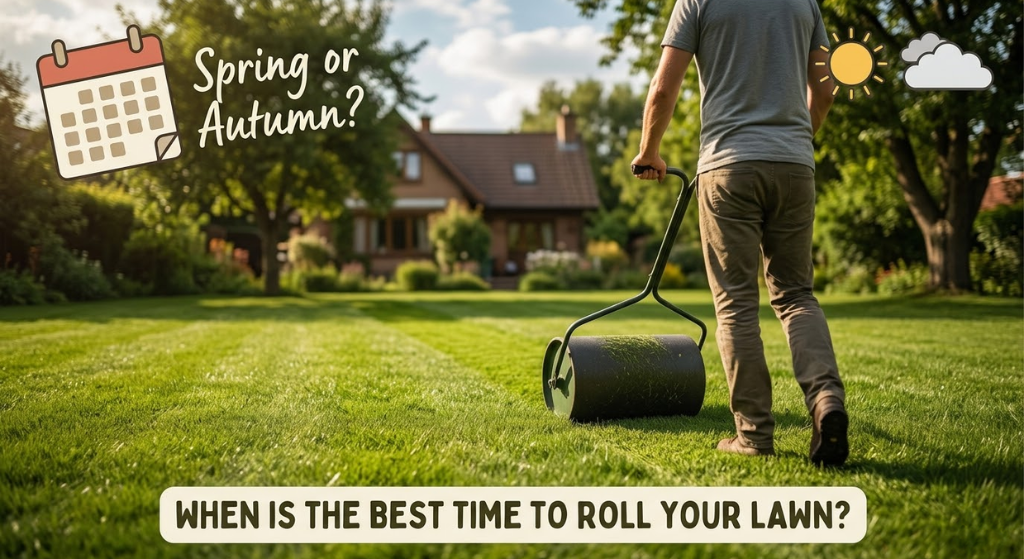
When Is the Best Time to Roll Your Lawn? The Complete Expert Guide
Rolling a lawn seems deceptively simple — you grab a big drum, push it across the grass, and walk away with a billiard-table surface. In reality, rolling at the wrong time of year (or in the wrong conditions) can do more harm than good, compacting your soil, smothering your roots, and creating drainage nightmares that take years to repair. This guide covers everything you need to know: exactly when to roll, what to look for in your soil, which grass types respond best, and how to match your roller weight and technique to your lawn’s specific needs.
Whether you’re dealing with frost heave after a brutal winter, uneven ground after laying new sod, or bumpy turf that rattles your mower, you’re in the right place. Let’s dig in — carefully, with the right conditions underfoot.
1. What Is Lawn Rolling and What Does It Actually Do?
Lawn rolling is the process of using a heavy cylindrical drum — either pushed by hand or towed behind a tractor — to flatten and firm the top layer of your turf. It’s one of the oldest lawn care techniques, with origins in groundskeeping for cricket pitches and golf courses that date back centuries.
The mechanism is straightforward: the weight of the roller presses the grass and the underlying soil surface downward, smoothing out bumps, closing air pockets, and pushing heaved soil back into contact with the root zone. When done properly, rolling achieves several specific effects:
- Reduces frost heave — freezing and thawing cycles push grass crowns and even rocks upward; rolling presses them back down
- Improves seed-to-soil contact — after overseeding or patch-seeding, a light roller pass ensures seeds nestle against the soil for better germination
- Smooths new sod installations — rolling presses sod into firm contact with the soil below, accelerating root establishment
- Levels minor surface irregularities — small bumps and hollows that develop over time get gradually smoothed out
- Improves mowing quality — a flatter lawn means a more even cut, fewer scalp marks, and a cleaner finish
What rolling does not do is fix major grading problems, eliminate large ruts, or replace proper topdressing and leveling for severely uneven lawns. If your turf has significant elevation differences of more than an inch or two, check out our guide on how to level a bumpy lawn with proper soil prep and grading techniques — rolling alone won’t be enough.
It’s also worth noting that lawn rolling has become somewhat controversial among modern turf scientists. The concern centers on soil compaction: repeated or excessive rolling destroys the soil structure that grass roots depend on. Used judiciously — once a year at the right time — rolling is a legitimate and beneficial tool. Used carelessly, it turns your lawn into a compacted hardpan that no amount of fertilizing will fix.
2. Why Roll Your Lawn? Key Benefits and Situations
Not every lawn needs rolling every year. Before you rent a drum roller and get to work, it pays to understand the specific scenarios where rolling adds real value versus situations where it’s simply unnecessary effort (or actively harmful).
Situations Where Rolling Is Genuinely Beneficial
After Winter Frost Heave
In climates with hard winters, the freeze-thaw cycle repeatedly lifts the soil surface, pushing grass crowns, rocks, and even irrigation heads above grade. Come spring, the lawn looks bumpy and uneven. Rolling presses everything back down and reestablishes good root-to-soil contact before the growing season kicks off in earnest.
After New Sod Installation
Freshly laid sod sits on the soil surface with air gaps underneath. Rolling within 24–48 hours of installation presses the sod roots into firm contact with the soil below, dramatically accelerating establishment and reducing the risk of desiccation. This is standard practice for every professional sod installation.
After Overseeding
A light roller pass after spreading grass seed presses seed into the soil surface, improving germination rates by ensuring consistent seed-to-soil contact. This is particularly effective on sandy or loose-structured soils where seeds tend to sit on top rather than nestling in.
Addressing Minor Surface Bumps
Over time, lawn surfaces develop subtle ripples and bumps from settling, earthworm activity, foot traffic patterns, and equipment movement. Seasonal rolling gradually smooths these out, keeping the mowing surface even and reducing wear on mower blades and decks. If your mower constantly scalps high spots, rolling might be the low-effort fix you’ve been missing.
Sports Turf Preparation
Cricket pitches, golf fairways, lawn bowling greens, and backyard croquet courts all benefit from rolling to create the firm, flat surface these sports demand. In these specialized applications, rolling is often done more frequently and with heavier equipment than typical residential use.
Situations Where Rolling Is NOT Recommended
✅ Roll When…
- Frost heave has disrupted surface
- New sod was just installed
- Overseeding was completed
- Soil is slightly moist (springy underfoot)
- Grass is actively growing
- Temperature is 40–65°F
❌ Don’t Roll When…
- Soil is waterlogged or saturated
- It’s midsummer with dry, hard soil
- Grass is dormant or stressed
- You rolled within the past 6–12 months
- Lawn has heavy thatch (>½ inch)
- You have clay-heavy soil prone to compaction
3. When Is the Best Time to Roll Your Lawn? The Definitive Answer
This is the crux of the matter, so let’s be direct: the single best time to roll your lawn is in early spring, specifically during the narrow window after the ground has fully thawed but while the soil still retains some winter moisture.
Here’s what that window looks like in practical terms:
- Nighttime temperatures have consistently risen above freezing (above 32°F / 0°C)
- Daytime soil temperature is in the 40–55°F (4–13°C) range
- The grass is just beginning to show signs of green-up and early growth
- The soil feels firm underfoot but yields slightly when you press with your thumb — not soupy, not bone-hard
- No heavy rain is in the forecast for the next 24–48 hours
Before rolling, press your thumb firmly into the soil. If it leaves an impression about half an inch deep and the soil holds its shape, you’re in the ideal moisture window. If your thumb sinks in easily or water wells up, the soil is too wet. If there’s no give at all, it’s too dry.
In most of the Northern US and Canada, this window falls somewhere between mid-March and late April, depending on your specific region. In the UK, it typically aligns with March to early April. In the Southern US, where winters are mild, the window is less dramatic — you may need to focus more on moisture conditions than temperature, as frost heave is less of a concern.
Why Early Spring Is Optimal
The science behind the early-spring timing is straightforward. Soil in early spring has several properties that make it ideal for rolling:
- Natural moisture content — snowmelt and spring rains keep the soil at an optimal moisture level without active irrigation
- Biological activity — soil organisms are just waking up; rolling now doesn’t disrupt the peak microbial activity that drives summer nutrient cycling
- Grass resilience — cool-season grasses are entering their primary growing period with high recovery capacity
- Frost heave correction — the damage from winter is fresh and the soil hasn’t yet fully dried and set, making correction easier
- Pre-growing season prep — rolling before peak growth means any compaction effects are quickly offset by vigorous root activity
For a complete picture of spring lawn preparation, our spring lawn care guide walks you through every step from first thaw to full green-up, including rolling, fertilizing, and overseeding sequences.

Brinly-Hardy Water-Filled Lawn Roller
The most popular residential lawn roller. Adjustable weight via water fill, durable polyethylene drum, fits most standard garden tractors for tow-behind use.
🛒 View on Amazon4. Season-by-Season Guide to Lawn Rolling
Understanding how each season affects soil and grass conditions helps you make better rolling decisions year-round, not just in spring.
Spring
Ideal window. Roll after frost thaw, before peak growth. Correct frost heave, firm sod, press seed.
Summer
Generally avoid. Heat stress + dry soil = compaction risk. Exception: after heavy rain on sports turf.
Fall
Possible after overseeding. Light pass only. Avoid if frost is approaching or ground is saturated.
Winter
Never roll. Frozen soil can’t recover. Rolling dormant, brittle grass causes crown damage.
Spring Rolling: The Prime Window in Detail
Spring rolling is essentially about managing the aftermath of winter. As the soil thaws from the surface downward, there’s a brief period — often lasting only a few weeks — where the top 2–4 inches of soil are workably moist while the deeper profile is still firm. This is your sweet spot.
Timing within spring also matters. Roll too early (while the ground is still partially frozen at depth) and you’ll create surface compaction on top of frozen subsoil — a recipe for drainage problems. Roll too late (once the soil has dried out after spring rains) and you lose the moisture advantage, and you risk rolling during peak growth when the grass is busy establishing root depth.
The practical guideline: aim to roll after the last killing frost but before the grass has reached 3 inches in height. In most temperate climates, that’s roughly a 2–4 week window. Mark it on your calendar alongside your other spring lawn tasks.
Fall Rolling: Use With Caution
Fall rolling is appropriate in limited circumstances, primarily after fall overseeding. A light roller pass presses the seed into the soil surface before winter and can improve germination rates the following spring. However, fall rolling carries more risks than spring rolling:
- Soil compaction in fall doesn’t have the benefit of a full growing season to recover before the next winter
- If frost arrives shortly after rolling, the compacted surface can freeze hard and crack
- For cool-season grasses, fall is a critical root-deepening period; compaction at this time can reduce winter hardiness
If you do roll in fall, use a lighter roller (no more than 100–150 lbs) and only do so if there are at least 4–6 weeks of growing season remaining before the first hard frost in your area.
Summer Rolling: Usually Best Avoided
Summer rolling is the category with the most potential for damage. By midsummer, soil moisture in most regions has dropped significantly, making the soil denser and less forgiving. Rolling dry soil simply compresses it without the elastic recovery you get from moist soil — creating persistent compaction that restricts aeration and water infiltration.
The one exception is professional sports turf management, where firm, compacted surfaces are deliberately created for play quality. But even here, specialized equipment and post-rolling aeration protocols mitigate the compaction effects. For home lawns, skip summer rolling entirely. Focus instead on proper watering — our summer lawn maintenance guide covers the complete care calendar for keeping turf healthy through the heat.
5. Reading Soil Moisture: The Most Critical Factor in Lawn Rolling
If there’s one variable that determines whether rolling helps or hurts your lawn more than any other, it’s soil moisture. Get this right and you can roll successfully even outside the ideal spring window. Get it wrong and you’ll create compaction that takes years to reverse.
The Three Soil Moisture States
| Moisture State | Field Test | Rolling Result | Verdict |
|---|---|---|---|
| Too Wet (Saturated) | Water oozes from footprints; soil sticks to shoes in clumps | Severe compaction; destroys soil structure; creates anaerobic zones | ✗ Never Roll |
| Ideal (Field Capacity) | Thumb leaves ½” impression; soil is dark, crumbly; no water oozes | Even compression; soil rebounds partially; minimal long-term compaction | ✓ Ideal Window |
| Too Dry (Below Field Capacity) | Surface is powdery or cracked; thumb barely leaves an impression | Ineffective leveling; possible surface cracking; dust creation | ~ Not Recommended |
| Slightly Moist | Thumb leaves ¼” impression; soil crumbles when squeezed | Light leveling effect; minimal compaction risk | ✓ Acceptable |
How to Time Rolling Around Rain Events
One of the best natural timing cues for lawn rolling is a rain event: specifically, rolling 24–48 hours after moderate rainfall. By this point, the excess surface water has drained or evaporated, leaving the soil at or near field capacity. This is essentially nature providing the perfect rolling conditions without any irrigation required.
Avoid rolling immediately after heavy rainfall (within 12–24 hours), as the soil will still be saturated. And avoid rolling during a dry spell that has lasted more than a week without irrigation, unless you’ve watered thoroughly the day before and allowed absorption overnight.
Clay soils compact far more easily and severely than sandy or loam soils. If your lawn sits on clay, be especially conservative with rolling: use a lighter roller, roll only when soil is at the drier end of the ideal range, and always follow rolling with core aeration to mitigate compaction effects.
Soil Texture and Rolling Response
Different soil types respond very differently to rolling:
- Sandy soils — respond well to rolling; good drainage means waterlogging risk is low; compaction is less permanent
- Loam soils — the ideal rolling substrate; balanced drainage and structure means rolling achieves leveling with minimal compaction risk
- Clay soils — highest compaction risk; roll only under ideal moisture conditions; always aerate afterward
- Silty soils — moderate compaction risk; similar precautions to clay apply
If you’re unsure of your soil type, a simple jar test works well: add a soil sample to a clear jar of water, shake vigorously, and let it settle for 24 hours. Sand settles first at the bottom, silt in the middle, clay forms a top layer. The proportions tell you your soil texture.
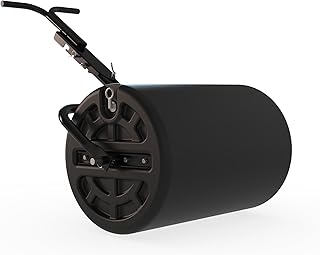
Agri-Fab 48-Inch Tow-Behind Lawn Roller
Heavy-duty polyethylene drum with 270-lb water capacity. Perfect for large lawns, sod installation, and post-seeding leveling. Fits standard 3/4″ to 1″ hitch pins.
🛒 View on Amazon6. Does Grass Type Affect When You Should Roll?
Absolutely — the type of grass growing in your lawn plays a significant role in both the timing and frequency of rolling. Cool-season and warm-season grasses have fundamentally different growth cycles, and rolling should be aligned with each type’s peak recovery period.
Cool-Season Grasses
Cool-season grasses (Kentucky bluegrass, tall fescue, perennial ryegrass, fine fescues) grow most vigorously in spring and fall, with a summer semi-dormancy in hot climates. For these grasses:
- Best rolling window: Early spring, as soon as the ground thaws and green-up begins
- Secondary option: Early fall (September) if overseeding is planned
- Avoid: Midsummer rolling, which coincides with natural heat stress
Kentucky bluegrass is particularly susceptible to soil compaction because it spreads via rhizomes that need open, airy soil to colonize. Roll too heavily or too often and you’ll gradually suppress the lateral spread that gives bluegrass its dense, carpet-like appearance.
Warm-Season Grasses
Warm-season grasses (bermudagrass, St. Augustine, zoysia, centipede, buffalo grass) grow most vigorously in summer heat and go dormant or semi-dormant in cooler months. For these grasses:
- Best rolling window: Late spring to early summer, just as the grass is breaking dormancy and entering active growth
- Avoid: Rolling during dormancy (fall/winter) when the grass is brittle and unable to recover
| Grass Type | Category | Best Rolling Season | Notes |
|---|---|---|---|
| Kentucky Bluegrass | Cool-season | Early Spring | Sensitive to compaction; light roller preferred |
| Tall Fescue | Cool-season | Early Spring / Early Fall | Bunch-type growth; tolerates rolling well |
| Perennial Ryegrass | Cool-season | Early Spring | Fast recovery; good for athletic use |
| Bermudagrass | Warm-season | Late Spring / Early Summer | Very resilient; handles moderate rolling well |
| St. Augustine | Warm-season | Late Spring | Sensitive in dry conditions; keep roller light |
| Zoysia | Warm-season | Late Spring / Early Summer | Dense thatch can accumulate; dethatch before rolling |
| Centipede | Warm-season | Late Spring | Low traffic tolerance; roll lightly and infrequently |
For a deeper look at how different grass types grow and what they need, our comprehensive guide on types of grass for lawns covers growth habits, climate zones, and maintenance requirements for all major species.
7. Choosing the Right Lawn Roller for Your Needs
Not all lawn rollers are equal. The type and weight of roller you choose will have a major impact on results — too light and you won’t achieve any leveling effect; too heavy and you’ll compact the soil irreparably. Here’s a breakdown of the main options available to homeowners.
Types of Lawn Rollers
| Roller Type | Weight Range | Best For | Pros | Cons |
|---|---|---|---|---|
| Water-Filled Drum (Push) | 50–300 lbs (adjustable) | Small to medium lawns, DIY use | Adjustable weight, affordable, easy to empty and store | Tiring to push on large areas |
| Tow-Behind Roller | 100–600 lbs | Large lawns, riding mower users | Wide coverage, saves labor, very effective | Requires tractor/riding mower; heavier = more compaction risk |
| Sand-Filled Drum | Fixed at 200–500 lbs | Sports turf, professional use | Very stable weight; durable | Not adjustable; very heavy; harder to store |
| Rental Roller (Gas-Powered) | 500–1,000 lbs | New sod, construction site restoration | Maximum leveling power | Significant compaction risk; not for regular use |
How to Size Your Roller Correctly
The golden rule for residential lawn rolling is to use the lightest effective weight. Here’s a practical sizing guide:
- Post-frost heave correction: 100–200 lbs (water-filled drum at 50–75% capacity)
- After overseeding: 50–100 lbs (partial fill; just enough to press seed to soil)
- New sod installation: 150–300 lbs (firm establishment contact needed)
- General leveling, small bumps: 100–150 lbs
- Sports/cricket pitch preparation: 300–500 lbs (with post-rolling aeration)
If you only roll once a year in spring, renting a roller from your local equipment rental makes more economic sense than purchasing one. Rentals typically run $30–$60 per day. If you have a large property or roll multiple times per year, a tow-behind roller pays for itself within 2–3 seasons.
Roller Width Considerations
Roller width affects efficiency but also overlap patterns. For home lawns, a 24–36 inch wide drum is typical and easy to maneuver. Wider tow-behind rollers (42–48 inches) are available for larger properties and reduce the number of passes needed. Always overlap each pass by about 2–4 inches to ensure complete coverage without visible tracking lines.
8. How to Roll Your Lawn: Step-by-Step Technique
Once you’ve confirmed the timing is right and you have the correct roller, execution is straightforward — but a few technique details make a significant difference in outcomes. Follow this sequence for best results.
- Test soil moisture — Perform the thumb test in multiple spots across your lawn. All areas should be at field capacity before you begin. If some areas are still too wet (typically low spots or shaded areas), wait another day.
- Mow the lawn — Mow to your normal height the day before rolling if the grass has reached mowing length. Rolling on shorter grass gives more direct contact between roller and soil surface. Remove all clippings.
- Fill the roller to the target weight — Use a garden hose to fill the drum to the desired fill level. Test the weight by trying to move it; it should require moderate effort but not be impossible to control.
- Roll in straight, overlapping passes — Begin at one edge and work in straight lines across the lawn, overlapping each pass by 2–4 inches. Keep your pace steady — about walking speed.
- Make one set of passes in one direction — For most lawns, one direction is sufficient. For severely uneven terrain, you can make a second set of passes perpendicular to the first, but use a lighter roller setting for the second pass.
- Avoid turning on the grass — When you reach the end of each pass, step off onto a hard surface or driveway to turn the roller, then re-enter the lawn for the next pass. Turning a heavy roller on turf creates scuff marks and uneven pressure.
- Water lightly after rolling — A light irrigation pass (about 0.25 inches) after rolling helps the soil settle and encourages any temporarily stressed grass to recover quickly.
- Empty and store the roller — Drain the water completely before storage to prevent damage from freezing temperatures and reduce the weight stress on the drum over time.
Rolling Pattern Tips
The direction you roll relative to your mowing pattern also matters. Many lawn care experts recommend rolling perpendicular to your regular mowing direction. This avoids reinforcing any existing ruts or wheel tracks from the mower, instead helping to flatten them out. You can also alternate rolling direction year to year for the most even long-term results.
After Rolling: Immediate Next Steps
The 24–48 hours after rolling are important. The soil is in a temporarily compressed state and benefits from:
- Light watering — as noted above, helps the soil consolidate evenly
- No heavy foot traffic — let the soil firm up before kids or pets return to the lawn
- No mowing for 3–5 days — allows any grass crowns pressed into contact with the soil to reestablish before the stress of cutting

Brinly 18-Inch x 24-Inch Poly Lawn Roller
Versatile push and tow roller with a 270-lb water capacity. Rust-proof poly drum, universal hitch for most riding mowers, and a comfortable push handle for smaller areas.
🛒 View on Amazon9. Common Lawn Rolling Mistakes (And How to Avoid Them)
Most lawn rolling damage is caused by a small number of avoidable errors. Here are the most common mistakes homeowners make, along with concrete guidance on avoiding each one.
Mistake 1: Rolling on Saturated Soil
This is the single most damaging rolling error. When soil is saturated, its particles are surrounded by water and have very little structural integrity. Rolling in this state destroys the pore spaces between soil particles that allow air and water movement. The resulting compaction can last for years. Always wait at least 24–48 hours after significant rainfall before rolling.
Mistake 2: Using Too Heavy a Roller
More weight doesn’t mean better results — it means more compaction. Homeowners often assume that a heavier roller will flatten bumps more effectively, but beyond a certain threshold, you’re just creating soil compaction without additional leveling benefit. Stick to the weight guidelines in Section 7 and use the lightest effective roller for your purpose.
Mistake 3: Rolling Too Frequently
Annual rolling in spring is the standard recommendation for most home lawns. Some homeowners roll multiple times per year, or every spring and fall, without aerating in between. This creates progressive soil compaction that manifests as thin, yellowing turf with poor drainage. Roll once per year maximum, and aerate every 1–2 years to counteract compaction effects.
Mistake 4: Rolling Over Heavy Thatch
A thatch layer thicker than half an inch acts as a spongy buffer between the roller and the soil surface. Instead of compressing the soil to achieve leveling, the roller just compresses the thatch, potentially making thatch problems worse. Always dethatch before rolling if your thatch layer exceeds half an inch. A thatching rake or power dethatcher handles this effectively.
Mistake 5: Rolling Dormant or Stressed Grass
Grass under heat stress, drought stress, or in full winter dormancy cannot recover from the physical pressure of rolling. Rolling stressed grass can break the crown (the growing point at the soil surface), killing individual plants outright. Always confirm that the grass is actively growing and showing good vigor before rolling.
Mistake 6: Turning the Roller on the Lawn
As mentioned in the technique section, turning a heavy roller on turf creates concentrated pressure points and scuff marks. The turning arc concentrates all the roller’s weight on a narrow strip of grass and soil. Always lift and carry the roller (or turn on hard surfaces) at the end of each pass.
Mistake 7: Skipping Post-Rolling Aeration
Even well-executed rolling creates some degree of surface compaction. For lawns on clay or loam soil, following spring rolling with core aeration in the same season dramatically mitigates this effect. Aeration isn’t mandatory after every rolling, but it’s strongly recommended for clay soils and for any lawn that shows signs of compaction (thin turf, water runoff, hard surface).
Thin, patchy turf that doesn’t respond to fertilizing; water pooling in areas that previously drained well; compacted surface that resists penetration with a screwdriver; moss or algae establishing in low spots — all indicate compaction damage from over-rolling or rolling in poor conditions.
10. Complete Post-Rolling Lawn Care: What to Do After You Roll
Rolling is a single step in a broader spring lawn care program. The weeks following your rolling session are critical for getting the most out of the work you’ve done and maximizing the recovery and growth of your turf.
Post-Rolling Timeline
| Timing After Rolling | Recommended Task | Why It Matters |
|---|---|---|
| Same day / Day 1 | Light irrigation (0.25 inch) | Helps soil consolidate; reduces dust; promotes recovery |
| Days 2–3 | Keep off the lawn | Allows soil and grass crowns to firm up without additional stress |
| Days 3–5 | First mow after rolling | Set blade high; promotes upright growth; clears flattened blades |
| Week 1–2 | Overseed bare spots or thin areas | Spring soil conditions ideal for germination |
| Week 2–3 | Apply starter or spring fertilizer | Fuel the growing season; support recovery from rolling stress |
| Week 3–4 | Core aerate (if on clay/compacted soil) | Offsets any compaction; opens soil profile for root growth |
| Week 4–6 | Pre-emergent weed control | Prevent summer weed germination before it starts |
Fertilizing After Rolling
Spring fertilization pairs naturally with spring rolling as part of an integrated care program. After rolling, the soil surface is firm and even, making fertilizer application more consistent. A balanced spring fertilizer with a higher nitrogen ratio supports the vigorous growth that will help your lawn bounce back from any rolling stress.
For detailed guidance on choosing and applying spring fertilizers, our resource on how to fertilize your lawn for optimal growth and root health covers nutrient ratios, timing, and application rates for every grass type.
Overseeding After Rolling
If your lawn has thin patches or bare spots, rolling and overseeding make natural companions in early spring. The freshly rolled, firm soil surface provides excellent seed-to-soil contact for new seed. Scatter seed over thin areas immediately after rolling, then water gently but consistently until germination. The key is keeping the seed zone moist — typically light irrigation 2–3 times daily for the first 2 weeks until germination is underway.
Addressing Drainage After Rolling
If you notice that areas of your lawn seem to drain more slowly after rolling, this is an early sign of compaction. Address it promptly with core aeration before the problem compounds. For lawns with chronic drainage issues, rolling may actually be counterproductive — instead focus on grading corrections and improving the underlying soil structure. Our guide on how to improve lawn drainage provides a comprehensive approach for persistent waterlogging problems.
11. Alternatives to Lawn Rolling: When Other Techniques Work Better
Lawn rolling is a useful but specialized tool. For many common lawn problems that homeowners think require rolling, there are more effective alternatives that achieve better results with less risk.
Topdressing: The Superior Leveling Method
For lawns with persistent surface irregularities, topdressing with a quality compost or sand-compost blend is generally a better long-term solution than rolling. Topdressing fills in low spots from below, gradually building up the surface level without compressing the soil. Applied in thin layers (¼ to ½ inch) each season, it achieves smoother surfaces over 2–3 years while simultaneously improving soil biology and organic matter content.
Topdressing also pairs beautifully with overseeding: the compost layer provides the perfect germination medium for new seed while improving the existing turf’s growing environment. For a complete breakdown of the process, check out our guide on how to topdress your lawn with compost.
Core Aeration: Addressing Compaction Rather Than Adding It
If your primary goal is improving turf density, root depth, and overall health, core aeration achieves far more than rolling with no compaction risk. A core aerator pulls plugs of soil from the lawn, opening channels for air, water, and nutrients to reach the root zone. The results are direct: thicker grass, better drought resistance, improved fertilizer efficiency, and enhanced drainage.
Where rolling compresses soil, aeration decompresses it. For most lawns struggling with thin turf or drainage problems, aeration is the intervention to reach for first. Our article on lawn aeration benefits dives deep into the science and practical results you can expect.
Rolling: Best For
- Correcting frost heave
- Pressing new sod
- Post-seeding seed contact
- Minor surface smoothing
- Sports turf firmness
Aeration + Topdressing: Better For
- Chronic surface unevenness
- Compacted soil
- Poor drainage
- Thin or struggling turf
- Long-term lawn improvement
Scarifying and Dethatching
If your bumpy lawn surface is caused by a thick thatch layer rather than true soil unevenness, scarifying and dethatching will achieve better results than rolling. Scarifying removes the thatch and opens the soil surface, while rolling on thick thatch simply compresses the spongy layer without fixing anything. Always assess thatch thickness before rolling by cutting a small plug of turf and measuring the brown, fibrous layer between the grass blades and the soil.
Vertical Mowing (Power Raking)
For lawns where the surface texture feels rough due to lateral stolons and runners sitting above the soil line (common in bermudagrass and zoysia), vertical mowing slices these horizontal stems and encourages them to root more deeply. This improves the surface texture without the compaction risk of rolling, and simultaneously removes accumulated organic debris.

Sun Joe Electric Dethatcher + Scarifier
Before you roll, remove that thatch. Sun Joe’s electric dethatcher handles lawns up to 1/3 acre, with adjustable tine depth and a built-in collection bag for hassle-free cleanup.
🛒 View on Amazon12. Integrating Lawn Rolling Into a Complete Lawn Care Program
Rolling doesn’t exist in a vacuum. The best results come when it’s integrated into a broader annual lawn care program that addresses fertilization, mowing, watering, aeration, and pest management in a coordinated way.
The Annual Lawn Care Calendar Around Rolling
Here’s how rolling fits into the full year of lawn care for a cool-season grass lawn in a temperate climate:
| Month | Task | Rolling-Related? |
|---|---|---|
| March | Assess frost heave; soil moisture test | Preparation |
| Late March – April | Roll lawn (prime window) | ✅ Rolling |
| April | Overseed bare areas; apply starter fertilizer | Post-rolling follow-up |
| April – May | Core aerate if soil is compacted | Post-rolling follow-up |
| May | Apply spring/summer fertilizer; pre-emergent weed control | — |
| June – August | Regular mowing; deep watering; monitor pests | — |
| September | Fall overseeding; light rolling if needed post-seed | Optional |
| October | Fall fertilizer application; continue mowing until dormancy | — |
| November – February | Dormant period; no rolling or heavy lawn traffic | — |
Mowing and Rolling: The Relationship
Regular, properly calibrated mowing is one of the best things you can do for a lawn’s long-term health and smoothness. Keeping your mower blades sharp, your cutting height appropriate for your grass type, and your mowing frequency consistent contributes to a dense, even surface that needs less aggressive rolling over time.
If you’re unsure about cutting heights for your specific grass, our lawn grass cutting height chart provides exact height recommendations for every major grass species across all seasons.
Watering After Rolling
Good watering practices are essential before and after rolling. Before rolling, you need the soil at field capacity — proper irrigation management ensures you can create this condition on demand rather than waiting for rain. After rolling, consistent deep watering promotes rapid turf recovery and helps the soil profile settle evenly.
The goal post-rolling is about 1 inch of water per week, either from rainfall or supplemental irrigation. Shallow, frequent watering is counterproductive — it keeps the soil surface moist and soft when you want it to firm up and recover. Water deeply, less often, and let the surface fully absorb between cycles.
Lawn Rolling and Pest/Disease Management
Rolling has an indirect relationship with pest and disease pressure. Compacted soils from over-rolling create conditions favorable to several fungal diseases (particularly in wet springs) and can harbor soil-dwelling pests by reducing the natural biological diversity in the soil. Keeping rolling to an annual minimum and maintaining good soil health through aeration and organic matter addition is your best defense.
If you notice lawn problems developing in the weeks after rolling — discolored patches, thinning grass, unusual moss growth — consult our guide on common lawn problems and solutions for diagnosis and treatment guidance.
Frequently Asked Questions About Lawn Rolling
The best time to roll your lawn is in early spring, just as the grass is beginning to green up and the soil has thawed but is still slightly moist. Look for soil that passes the thumb test — firm but yields about half an inch when pressed. In most of the Northern US, this falls between mid-March and late April.
Rolling in summer is generally not recommended for home lawns. Heat and drought stress make the grass vulnerable, and compacted summer soil impedes water and nutrient absorption. The exception is if you’re preparing a sports surface and plan to aerate immediately afterward. For most homeowners, wait for cooler, moister spring conditions.
For most residential lawns, a roller filled to about 50–75% capacity (roughly 100–300 lbs) is ideal. For post-frost heave correction, 100–200 lbs is sufficient. For pressing new sod, up to 300 lbs. For seed-pressing after overseeding, use a lighter 50–100 lb setting. Always use the lightest effective weight to minimize compaction.
Most lawns only need rolling once a year — in early spring. Over-rolling causes cumulative soil compaction that restricts root growth, drainage, and overall turf health. If you feel the need to roll more frequently, it’s a signal that the underlying lawn health and soil structure need attention through aeration and topdressing rather than more rolling.
Roll before mowing, or mow the day before you roll. Mowing first creates a shorter grass surface that allows the roller better contact with the soil, making rolling more effective. After rolling, wait 3–5 days before the next mow to let the grass recover and establish an upright growth habit again.
When done correctly — once per year at the right time, with the right roller weight, on soil at field capacity — lawn rolling is not harmful. The dangers arise from rolling wet or very dry soil, using too heavy a roller, rolling too frequently, or rolling during periods of heat or drought stress. Used judiciously, it’s a legitimate and beneficial maintenance practice.
Yes, and it’s actually recommended. A light roller pass after seeding (50–100 lbs maximum) presses the seed into firm contact with the soil, improving germination rates significantly. The key word is “light” — you’re not trying to level anything at this stage, just establish seed-to-soil contact. Water immediately after the light rolling.
A water-filled drum roller is ideal for most home lawns. You can adjust the weight by changing how much water you add, making it versatile for different applications. For small to medium lawns, a push-type water drum roller works well. For larger properties with a riding mower or tractor, a tow-behind water roller offers better coverage and less physical effort.
No — lawn rolling does not remove thatch. In fact, rolling on a thick thatch layer (more than half an inch) can make the problem worse by compressing the thatch further. If your lawn has significant thatch buildup, dethatch before rolling. Use a power dethatcher or vigorous raking to remove the thatch layer, then proceed with rolling if needed.
Aerating after rolling is a smart practice, especially for clay or loam soils. Rolling creates mild surface compaction, and aeration counteracts this by pulling out plugs of soil to open up the profile for better air, water, and nutrient penetration. For sandy soils with good natural drainage, post-rolling aeration is less critical but still beneficial if done in the same season.
Conclusion: Timing Is Everything with Lawn Rolling
When it comes to rolling your lawn, the difference between a transformative spring improvement and a season of compaction damage comes down to one thing: timing. Roll in early spring, when the soil has thawed to field capacity and the grass is just beginning to grow, and you’ll correct frost heave, improve surface evenness, and set your turf up for a strong growing season. Roll in the wrong conditions — saturated soil, summer drought, or over-hardened clay — and you risk damage that can take years to reverse.
The key principles to carry forward: use the lightest effective roller weight, never roll wet soil, limit rolling to once per year, always aerate afterward if you’re on clay, and integrate rolling into a complete spring care sequence that includes overseeding, fertilizing, and proper watering.
Lawn rolling is a tool — a useful one when applied correctly, a harmful one when misapplied. Used once a year in the right window, it’s a low-cost, high-impact way to keep your turf smooth, your mowing even, and your lawn looking its absolute best through every season of the year.
Ready to take your lawn care further? Start with our foundational lawn care 101 guide for a complete overview of everything your turf needs to thrive.
📖 Explore the Complete Lawn Care Guide →