Your Expert Guide to a Perfect Lawn
Too Much Lime on Your Lawn? Signs, Fixes & Prevention Guide
πŸͺ¨ Soil pH Deep Dive

Yes, You Can Over-Lime a Lawn β€” Here’s What Happens and How to Fix It

The complete guide to over-liming symptoms, the science of pH damage, and a proven recovery plan to restore your lawn’s soil balance.

πŸ—“ Updated 2025 ⏱ 19 min read βœ… Soil-science backed

⚑The Quick Answer β€” Can You Over-Lime a Lawn?

⚠️ Yes β€” over-liming is a real and damaging problem.

If you’ve been adding lime every season without testing your soil first, there’s a real chance you’ve pushed your soil pH too high. Unlike synthetic fertilizer burn, over-liming creates a slow-moving problem that gets worse over time β€” and the signs are easy to misread as a simple nutrient deficiency or drought stress.

Lime raises soil pH. That’s exactly what it’s designed to do when soil is too acidic. But the same shift that unlocks nutrients in acidic soil starts locking them out when pH climbs past the optimal range of 6.0–7.0. You’ll see yellowing, sparse growth, and even patches of dead turf β€” not because the lime burned the grass directly, but because an excessively alkaline environment prevents roots from accessing iron, manganese, boron, zinc, and other essential micronutrients.

The good news: over-liming is correctable. The process requires patience (soil chemistry doesn’t change overnight), but with the right approach β€” including sulfur amendments, organic matter, and a verified soil test β€” you can bring your lawn back to the optimal pH range and restore lush, dense growth.
6.5
Ideal lawn soil pH for most grasses
7.5+
pH level where over-liming damage begins
1–3 yrs
Time for soil pH to naturally buffer back
10–15 lbs
Sulfur per 1,000 sq ft to lower pH by ~1 unit
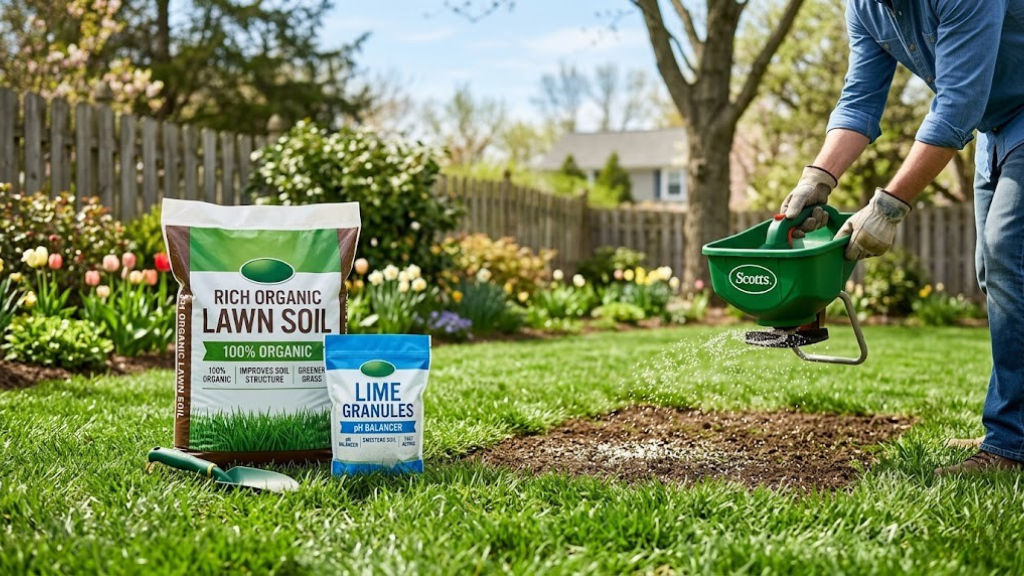
Lawn soil and lime granules

Lime is a powerful soil amendment β€” effective when used based on a soil test, damaging when applied blindly or repeatedly without pH monitoring.

πŸͺ¨What Is Lawn Lime and How Does It Work?

Lawn lime is a calcium-based soil amendment derived from naturally occurring limestone deposits. Its primary purpose is to neutralize acidic soil β€” raising pH from the low 4s or 5s toward the target range that grass roots prefer. It’s one of the oldest and most widely used soil corrections in agriculture and turf management, and for good reason: when soil becomes too acidic, it creates a hostile environment for nutrient availability and microbial life.

The active ingredient in most lawn lime products is calcium carbonate (CaCO₃), sometimes combined with magnesium carbonate in dolomitic lime formulations. When lime dissolves in soil moisture, the carbonate reacts with hydrogen ions in the soil β€” reducing acidity and shifting pH upward. The calcium and magnesium left behind are also valuable plant nutrients, which adds secondary benefit when deficiencies exist.

Lime doesn’t work instantly. Granular lime can take 2–6 months to fully react in soil, depending on particle size, moisture levels, and soil temperature. Pelletized lime reacts faster than coarse ground limestone but slower than liquid lime products. This delayed reaction is one reason over-application is so common β€” homeowners add lime, don’t see fast results, and add more the following season without checking whether the first application has already taken effect.

The pH Scale: Where Your Lawn Lives

Understanding pH on a logarithmic scale matters more than most homeowners realize. Each full pH unit represents a 10Γ— change in hydrogen ion concentration. Going from 5.5 to 6.5 is not just “a little better” β€” it’s an order of magnitude shift in soil chemistry. Going from 6.5 to 7.5 pushes just as far in the wrong direction.

4
5
5.5
6
6.5 βœ“
7
7.5
8
9
Very Acid
Acid
Sl. Acid
Optimal
Ideal βœ“
Optimal
Sl. Alk.
Alkaline
Very Alk.
πŸ”΄ Too Acidic  |  🟒 Optimal Range (6.0–7.0)  |  πŸ”΄ Over-Limed

For a systematic approach to reading your soil’s pH accurately before any amendment, check out our detailed guide on step-by-step soil pH testing methods for lawns β€” it covers meter testing, DIY kits, and lab submissions.

Digital soil pH meter

Sonkir MS02 3-in-1 Soil Moisture, Light & pH Tester

Test pH before every lime application β€” stops over-liming before it starts. Reads pH, moisture, and light levels instantly.

πŸ›’ Check Price on Amazon

🌿Why We Lime Lawns β€” And When It’s Actually Needed

Lime is genuinely necessary in many regions β€” but it’s also one of the most over-applied soil amendments in residential lawn care. Heavy rainfall, conifer tree proximity, decomposing organic matter, and certain fertilizers all gradually acidify soil. In the northeastern United States, the Pacific Northwest, and the UK, soil pH commonly drifts into the 5.0–6.0 range over years without intervention. In these cases, lime is not just helpful β€” it’s essential for maintaining a functional growing environment.

Acidic soil below pH 6.0 causes several compounding problems: aluminum and manganese become soluble and potentially toxic to roots; phosphorus binds tightly to iron and aluminum compounds and becomes unavailable; beneficial bacteria responsible for nitrogen fixation and organic matter decomposition decline; and grass roots struggle to develop the dense, fibrous systems needed for drought and disease resistance.

However, not every lawn needs lime β€” and applying it without evidence is a gamble. Lawns in the arid Southwest, parts of the Southeast, and areas with naturally calcareous (limestone-based) parent soil often already sit at or above neutral pH. Adding lime to these lawns pushes pH even higher, creating the exact problems you were trying to prevent.

βœ… The Golden Rule
Always test before you lime. A $15–$30 soil test from your local extension service gives you precise pH data and lime rate recommendations customized to your soil type. Never apply lime based on a guess, a neighbor’s advice, or a set schedule.

Grass Types and Their Optimal pH Range

Grass TypeSeasonOptimal pHLime Typically Needed?
Kentucky BluegrassCool6.0–7.0Often, in humid regions
Tall FescueCool5.5–7.0Moderate β€” tolerates wider range
Fine FescueCool5.5–6.5Less frequently
Perennial RyegrassCool6.0–7.0Often, in rainfall-heavy areas
Bermuda GrassWarm6.0–7.0Occasionally
Zoysia GrassWarm6.0–6.5Occasionally
St. AugustineWarm6.0–7.5Rarely in South
Centipede GrassWarm5.0–6.0Rarely β€” prefers acid

Notice that centipede grass actually thrives in mildly acidic conditions β€” liming centipede lawns is one of the most common over-liming mistakes homeowners make. Similarly, lawns near pine trees may test acidic but still don’t need aggressive liming if the grass variety is naturally tolerant of lower pH.

πŸ”¬What Over-Liming Does to Your Soil Chemistry

When lime pushes soil pH above 7.0 β€” and especially beyond 7.5 β€” a cascade of chemical reactions begins that systematically starves grass of essential micronutrients. This is the central mechanism of over-liming damage, and understanding it explains why the symptoms look so much like other problems.

Nutrient Lockout at High pH

The availability of most plant micronutrients follows a pH-dependent solubility curve. In alkaline soil (above 7.0), the following nutrients precipitate out of solution and become physically inaccessible to roots regardless of how much is present in the soil:

  • Iron (Fe): Solubility drops dramatically above pH 7.0. Deficiency manifests as interveinal chlorosis β€” grass blades turn yellow-green with green veins, giving a striped appearance. This is the classic over-liming symptom.
  • Manganese (Mn): Becomes insoluble in alkaline conditions. Deficiency mimics iron chlorosis and worsens existing symptoms.
  • Zinc (Zn): Locked out above pH 7.5, contributing to stunted growth and poor shoot development.
  • Boron (B): Leaches quickly in alkaline environments, affecting cell wall development and root tip health.
  • Phosphorus (P): While acidic soil locks P to iron/aluminum, alkaline soil locks it to calcium β€” a double bind at either pH extreme.
  • Copper (Cu): Precipitates as insoluble hydroxides above pH 7.0.

Impact on Soil Biology

Beyond nutrient chemistry, excessive alkalinity disrupts the microbial ecosystem that drives nitrogen cycling. Beneficial bacteria and fungi that decompose organic matter and convert atmospheric nitrogen into plant-available forms operate best within the 6.0–7.5 pH window. As pH climbs higher, fungal diversity declines and bacterial activity slows β€” organic matter accumulates without decomposing, leading to increased thatch and reduced soil structure over time.

Interactive Chart: Nutrient Availability vs. Soil pH

Key Nutrient Availability Across the pH Spectrum (0 = Unavailable, 10 = Fully Available)

πŸ”Signs You’ve Over-Limed Your Lawn

Over-liming rarely announces itself dramatically. Instead, it creates a slow, spreading decline that’s easy to misattribute β€” many homeowners end up adding more fertilizer, more water, or even more lime in response to symptoms that lime itself caused. Knowing the specific pattern of over-liming damage puts you ahead of the diagnostic curve.
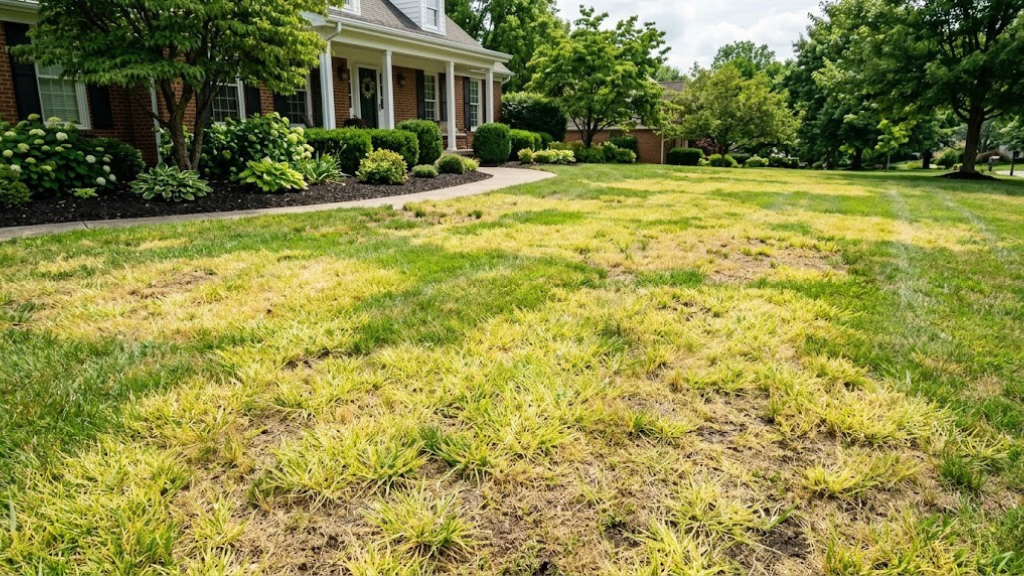
Yellow patchy lawn with chlorosis symptoms

Interveinal chlorosis β€” yellow blades with visible green veins β€” is the signature symptom of iron deficiency caused by over-liming and high soil pH.

🟑
Interveinal Chlorosis
Grass blades yellow between the veins while veins stay green. Classic iron deficiency caused by pH-induced lockout.
🌱
Sparse, Stunted Growth
New shoots grow slowly or not at all. The lawn seems to “stall” despite regular watering and fertilizing.
πŸ‚
Patchy Dead Zones
Irregular patches where grass has thinned or died β€” often worst where lime was over-concentrated during spreading.
🌾
Fertilizer Non-Response
You apply nitrogen and the lawn barely responds. Locked-out micronutrients block metabolic processes needed to use nitrogen efficiently.
🦠
Thatch Buildup
Over-liming disrupts microbial decomposition, causing thatch to accumulate faster than normal despite regular mowing.
🌿
Moss & Weed Encroachment
Surprisingly, both highly alkaline and acidic soils can favor moss. Certain weeds like chickweed thrive in alkaline conditions as the weakened grass creates openings.
⚠️ Don’t Confuse These Symptoms
Interveinal chlorosis also occurs in iron-deficient soil, overwatered lawns, and compacted clay. The key diagnostic step is always a pH test β€” before assuming over-liming, confirm that pH is actually above 7.0. Many homeowners treat the wrong problem because symptoms overlap.

Severity Assessment β€” Damage by pH Level

9.5 pH 6.5 (Ideal)
7.0 pH 7.5 (High)
4.5 pH 8.0 (Damaging)
2.0 pH 8.5+ (Severe)

πŸ“How Much Lime Is Too Much?

This question doesn’t have a fixed numerical answer because lime’s effect depends entirely on your existing soil pH, soil type (clay vs. sandy), buffering capacity, and which grass species you’re growing. However, there are clear general thresholds and warning signs that every lawn owner should know.

Standard Lime Application Rates by Soil Type

Soil TypeLime Rate per 1,000 sq ftMax Single ApplicationRe-Test Before Reapplying
Sandy Soil25–50 lbs50 lbsAfter 3 months
Loam Soil50–75 lbs75 lbsAfter 6 months
Clay Soil75–100 lbs100 lbsAfter 6–9 months
⚠️ The Most Common Mistake
Applying lime every year “as routine maintenance” without retesting pH. On many lawns β€” especially those with clay soil or in drier climates β€” a single application lasts 3–5 years. Annual lime applications can raise pH 0.5–1.0 units per year, pushing a 6.5 soil to 8.0 or higher within 3–4 seasons of unchecked repeat applications.

pH Change Per Pound of Lime β€” Sandy vs. Clay

Estimated pH Rise Per 100 lbs of Lime Applied per 1,000 sq ft

Sandy soils have low buffering capacity β€” they respond dramatically to lime additions and are most vulnerable to over-liming. A sandy lawn that tests at pH 5.8 might jump to 7.2 or higher from a single over-application. Clay soils resist pH change more, requiring larger amounts of lime to shift pH but also providing more protection against accidental over-application.

πŸ”§How to Fix an Over-Limed Lawn β€” Step by Step

Lowering soil pH is slower and more effortful than raising it β€” lime dissolves and reacts relatively quickly, but acidifying amendments work gradually. That said, a systematic approach reliably restores pH to the optimal range within one to two growing seasons. Here’s the complete recovery process.
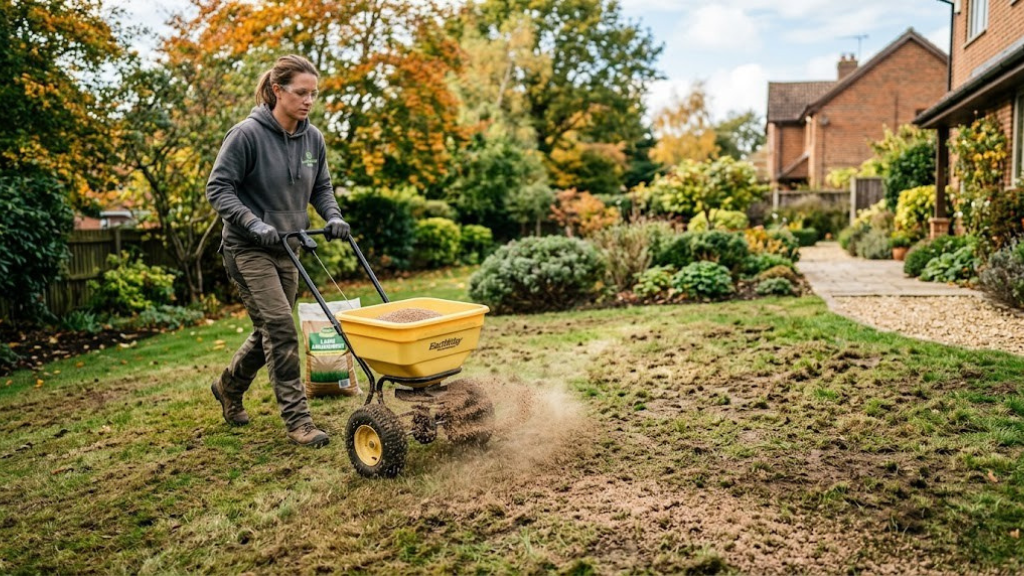
Lawn recovery treatment with amendment spreading

Recovering from over-liming requires patience β€” pH correction with elemental sulfur takes weeks to months to fully take effect as soil microbes oxidize sulfur to sulfuric acid.

The Step-by-Step Recovery Plan

Step 1: Confirm the Problem with a Soil Test
Before applying any amendment, get a reliable pH reading. A digital meter gives a quick field reading; a laboratory test (from your county extension service or a commercial soil lab) provides more precise data and often includes recommendations for amendment rates tailored to your soil type and existing nutrient levels. Don’t skip this β€” treating alkaline soil with the wrong acidifier can create new imbalances.
Step 2: Apply Elemental Sulfur
Elemental sulfur (S) is the most effective and widely available soil acidifier for lawns. Soil bacteria (primarily Thiobacillus species) oxidize it to sulfuric acid, which releases hydrogen ions that lower pH. Apply at 5–10 lbs per 1,000 sq ft to lower pH by approximately 0.5 units in loam soil. Do not exceed 10 lbs per 1,000 sq ft in a single application β€” excess sulfur can stress turf. Wait 30–60 days before retesting and reapplying if needed.
Step 3: Incorporate Organic Matter
Compost, peat moss, and other acidic organic materials gradually lower pH while simultaneously improving soil structure, microbial diversity, and water retention. Topdressing with 1/4 to 1/2 inch of quality compost twice yearly supports pH recovery while rebuilding the soil ecosystem disrupted by alkalinity. Read our guide on how to topdress your lawn with compost for the proper application technique.
Step 4: Use Acidifying Fertilizers
Ammonium-based fertilizers (like ammonium sulfate) have an acidifying effect on soil as a byproduct of nitrogen conversion. Swapping to an ammonium sulfate or urea-based fertilizer during the recovery period adds a modest but consistent acidifying influence to each feeding cycle. Avoid nitrate-based fertilizers, which have an alkalinizing effect.
Step 5: Retest Every 60–90 Days
pH correction is a managed process, not a one-time event. Retest every 60–90 days, adjusting sulfur applications based on results. The goal is a gradual decline of 0.5 units per treatment cycle β€” not a dramatic drop that would shock the lawn in the opposite direction. Keep records of your readings and amendment dates.
Step 6: Aerate and Overseed Damaged Areas
Once pH is trending back toward 6.5, damaged or thinned areas will benefit from core aeration to improve amendment penetration, followed by overseeding with appropriate grass varieties. Aeration also physically disrupts any thatch accumulation caused by the period of reduced microbial activity during high pH. For more guidance on aeration timing and benefits, see our detailed coverage of lawn aeration benefits and best practices.

Sulfur Application Rate Guide

Current pHTarget pHSandy Soil (lbs/1,000 sq ft)Loam SoilClay Soil
7.56.510–12 lbs15–20 lbs20–30 lbs
8.06.520–25 lbs25–35 lbs35–50 lbs
8.56.530–40 lbs40–55 lbs55–75 lbs
πŸ’‘ Split Your Sulfur Applications
Always split large sulfur requirements into multiple applications across 30–60 day intervals. Applying more than 10 lbs per 1,000 sq ft at once can stress turf, damage beneficial microbes, and actually create localized over-acidification in spots. Slow and steady wins this race.
Elemental sulfur soil acidifier bag

Epsoma Organic Soil Acidifier β€” Elemental Sulfur Granules

The go-to lawn amendment for lowering pH after over-liming. Safe for grass, fast-acting with watering, and long-lasting in soil.

πŸ›’ Shop Soil Acidifier on Amazon

πŸ›‘οΈPrevention: How to Apply Lime Safely Without Over-Doing It

The most effective strategy against over-liming isn’t treatment β€” it’s prevention. A disciplined, data-driven liming protocol eliminates risk entirely and ensures your lawn always operates in the optimal pH window.

The Safe Liming Protocol

πŸ“Š Always Start with a Soil Test +
Test before every lime application, no exceptions. If your pH is already 6.5–7.0, you don’t need lime regardless of what your calendar or neighbor says. Extension service tests cost $15–$30 and include specific lime rate recommendations for your soil type β€” worth every cent. For DIY convenience between professional tests, a digital pH meter gives same-day readings to monitor trends.
⏱️ Wait at Least 6 Months Between Applications +
Lime continues reacting with soil chemistry for months after application. The pH reading you get 2 weeks after liming is not the final number β€” it will continue rising for another 3–5 months. Always wait a full growing season and retest before considering another application. Many lawns need lime only every 2–4 years.
πŸ“ Use a Calibrated Spreader β€” Never Broadcast by Hand +
Uneven application creates pH hotspots where lime concentrates β€” exactly where over-liming symptoms appear first. A calibrated broadcast spreader at the correct settings delivers even, consistent coverage. Walk in parallel rows with slight overlap (about 10%) and apply in two perpendicular passes at half rate for the most uniform results. For guidance on spreader selection and calibration, see our comparison of drop vs. broadcast spreaders.
πŸ’§ Water In After Application +
Apply 1/4 inch of water after liming to move granules into the soil and begin the dissolution process. Lime sitting on dry soil reacts with dew and rain unevenly. Watering in promotes uniform distribution through the thatch layer and helps prevent surface concentrations that can create localized high-pH zones.
🌑️ Apply at the Right Time of Year +
Fall is the preferred season for lime application on cool-season lawns β€” it allows months of chemical reaction through the cool, moist winter before the main growing season begins in spring. Avoid applying lime to frozen soil (runoff risk), drought-stressed turf, or newly seeded areas less than 3 months old. For warm-season grasses, early spring before green-up is the optimal window.
Broadcast spreader for lime

Scotts Turf Builder EdgeGuard Mini Broadcast Spreader

Precise, even distribution is the key to preventing lime hotspots. This spreader covers up to 5,000 sq ft per fill with consistent application width.

πŸ›’ Check Price on Amazon

βš—οΈTypes of Lawn Lime Compared β€” Which to Use?

Not all lime products are the same, and choosing the right type affects both how quickly pH changes and how easy it is to avoid over-application. Here’s a comprehensive comparison of the main lime types available to homeowners.

Lime TypeActive IngredientSpeedBurn RiskBest ForOver-Lime Risk
Ground Limestone (Calcitic)CaCO₃Slow (3–6 mo)Very LowLarge areas, established lawnsLow (slow reaction)
Dolomitic LimestoneCaCO₃ + MgCO₃Slow (3–6 mo)Very LowMg-deficient soilsLow
Pelletized LimeCaCO₃ (compressed)Moderate (6–8 wk)Very LowHome spreader useMedium β€” easier to over-apply
Fast-Acting PelletizedFine-ground CaCO₃Fast (2–4 wk)LowQuick correctionMedium-High
Liquid LimeCaCO₃ suspensionVery Fast (days–weeks)LowSpot treatment, fast fixHigh β€” easy to over-apply
Wood AshCaO, Kβ‚‚O, mixedFastMediumSmall patches, vegetable gardensHigh β€” variable composition
Hydrated Lime (Calcium Hydroxide)Ca(OH)β‚‚Very FastHigh β€” causticAgricultural, not recommended for lawnsVery High β€” avoid for turf

Head-to-Head: Pelletized vs. Ground Limestone

🟒 Pelletized Lime
Ease of Spreading9/10
Speed of Action7/10
Over-Lime Risk5/10
Cost Efficiency6/10
Dust-Free9/10
πŸͺ¨ Ground Limestone
Ease of Spreading4/10
Speed of Action3/10
Over-Lime Risk2/10
Cost Efficiency9/10
Dust-Free2/10

For most homeowners, pelletized lime is the best balance of ease and control. Ground limestone is harder to spread evenly with standard equipment and creates significant dust, but its slower reaction rate provides a natural buffer against accidental over-application. Avoid hydrated lime (calcium hydroxide) for turf β€” it’s caustic, fast-acting, and very easy to over-apply. It belongs in agricultural applications, not residential lawns.

If you’re building a comprehensive soil health program for your lawn, understanding how lime fits alongside fertilization is essential. Our deep dive into how to fertilize lawns for optimal growth and root health walks through the full nutrient management system that makes liming most effective.

βš–οΈPros and Cons of Liming β€” The Full Picture

Liming is one of the highest-value things you can do for an acidic lawn β€” but only when the situation calls for it. Here’s an honest breakdown of the benefits and the risks, with expandable detail on each point.

βœ… When Done Right
🌿
Unlocks Major Nutrients
Raising pH from 5.5 to 6.5 dramatically increases the availability of phosphorus, nitrogen, and most micronutrients. Grass can access what’s already in the soil without additional fertilizer input.
🦠
Boosts Soil Biology
Beneficial bacteria and earthworms are more active at near-neutral pH. Improved microbial diversity drives faster organic matter decomposition, natural thatch reduction, and better nitrogen cycling.
πŸ’ͺ
Improves Disease Resistance
Optimal pH produces stronger, denser turf that resists fungal pathogens more effectively. Many lawn diseases including dollar spot and take-all patch are more prevalent in acidic conditions.
πŸ’§
Improves Clay Soil Structure
Calcium from lime flocculates clay particles β€” clumping them together to improve drainage, reduce compaction, and create larger air pores that roots and earthworms prefer.
🌱
Enhances Fertilizer Efficiency
When pH is optimal, less fertilizer is needed to achieve the same results. Nitrogen, phosphorus, and potassium are all more efficiently absorbed, reducing both cost and the risk of runoff-related environmental impact. Consider pairing with an organic slow-release product like those discussed in our Milorganite safety and application guide.
❌ When Done Wrong
πŸ”’
Locks Out Micronutrients
The same chemical reactions that unlock nutrients in acidic soil work in reverse in alkaline soil. Iron, manganese, zinc, copper, and boron all precipitate and become unavailable above pH 7.0–7.5, creating deficiency symptoms despite adequate soil reserves.
⏳
Slow and Difficult to Reverse
Unlike liming (which takes months to work), lowering pH takes even longer and requires consistent effort over one to three growing seasons. You can’t “un-lime” quickly β€” making prevention far more valuable than treatment.
🌾
Worsens Thatch Problems
Alkaline soil disrupts the decomposer microbial community that breaks down dead grass material. Thatch accumulates faster, creating a spongy layer that repels water, harbors disease, and further compounds nutrient absorption problems.
🌼
Encourages Alkaline-Tolerant Weeds
Weeds including dandelions, chickweed, and clover have wider pH tolerance than most turf grasses. In an over-limed, weakened lawn they colonize the thinning areas rapidly and establish before the grass can recover.
πŸ’Έ
Wastes Money on Fertilizer
Applying premium fertilizer to an over-limed lawn is largely wasted effort β€” the nutrients lock out before roots can access them. Over-liming creates a frustrating cycle where visible deficiency symptoms prompt more fertilizer, which provides diminishing returns and adds unnecessary cost.

πŸ”¬Soil Testing β€” The Single Most Important Step in Lawn Liming

If there’s one message to take away from this entire guide, it’s this: soil testing makes the difference between liming that heals your lawn and liming that harms it. It’s not optional, not a nice-to-have β€” it’s the foundational diagnostic step that makes every other lawn care decision more intelligent.
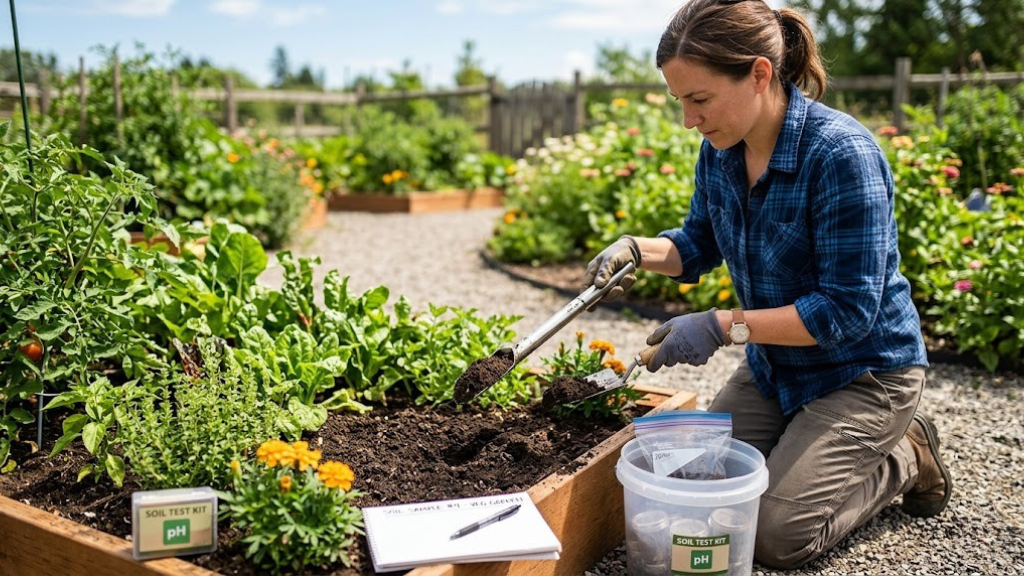
Soil sample collection for pH testing

Collecting soil from 3–4 inches deep across multiple spots in your yard gives the most representative pH reading for accurate lime rate calculation.

Testing Methods Compared

MethodCostAccuracyIncludes Lime Recommendation?Best For
Extension Service Lab Test$10–$30Very HighYesAnnual assessment, full soil health picture
Commercial Lab Test$20–$60Very HighUsuallyDetailed analysis, multiple nutrients
Home DIY Kit (strips/powder)$5–$15Low–ModerateNoQuick spot check between lab tests
Digital pH Meter$15–$50Moderate–HighNoRegular monitoring, trend tracking
Electrical Conductivity Meter$40–$150HighNoAdvanced users, professional monitoring

How to Collect a Representative Soil Sample

  • Use a clean trowel or soil probe β€” avoid zinc-plated tools as they can contaminate pH readings
  • Collect 8–12 samples from different areas of the lawn, including any problem zones
  • Sample at 3–4 inch depth for turf (below the thatch layer)
  • Mix all samples thoroughly in a clean bucket
  • Air-dry before submitting to a lab (not oven-dried, which alters some mineral properties)
  • Test in early fall or early spring before any amendments are applied
  • Re-test 6 months after any lime or sulfur application before adding more

The soil test results from your county extension service come with specific lime rate recommendations based on your soil’s buffer pH β€” a more accurate measurement than simple pH alone that accounts for the soil’s resistance to pH change. Always use the buffered lime rate recommendation over generic online calculators when available. See our complete guide on soil pH testing methods for lawns for step-by-step instructions.

Pelletized dolomitic lime bag

Jonathan Green Mag-I-Cal Plus β€” Fast-Acting Pelletized Lime

Raises pH in 30–60 days. Easy to apply with any spreader. Includes calcium and magnesium for complete soil conditioning.

πŸ›’ Shop Pelletized Lime on Amazon

Pairing your pH correction program with an awareness of overall soil health and fertilizer timing rounds out a complete approach. Our month-by-month lawn care calendar shows when to test, lime, fertilize, and aerate throughout the year so every intervention happens at the right time.
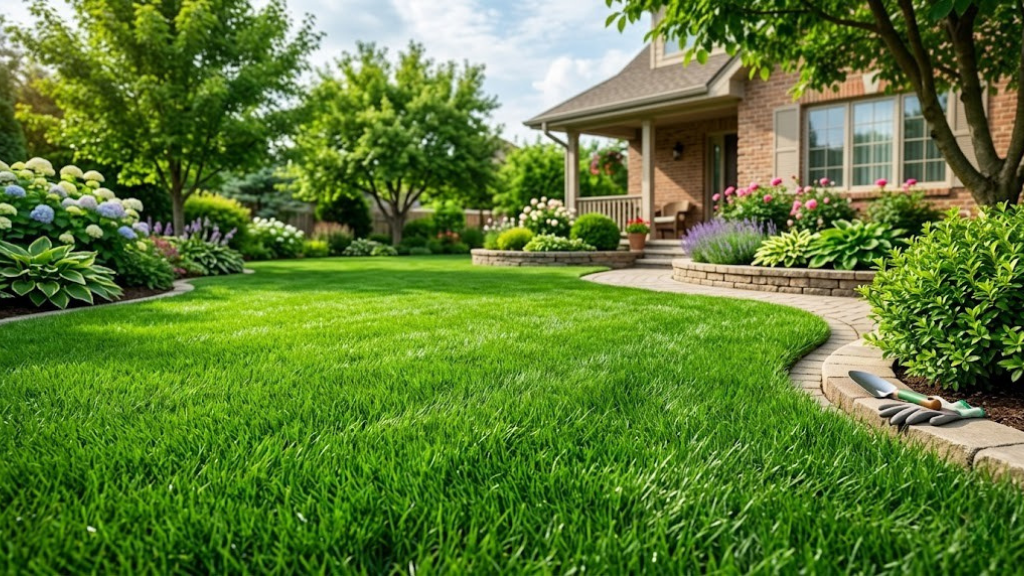
Healthy dense lawn after soil correction

A lawn maintained at the correct pH range β€” verified by regular testing β€” develops the dense, deep-green canopy that resists weeds, disease, and drought far more effectively.

❓Frequently Asked Questions About Over-Liming

Can you over-lime a lawn with pelletized lime? +
Yes β€” pelletized lime raises pH just as effectively as ground limestone; it’s simply easier to apply. Applying pelletized lime without a soil test, or repeating applications seasonally without retesting, can push pH above the optimal range just as surely as any other lime type. The ease of spreading pelletized lime can actually make over-application more likely, since homeowners tend to apply it more freely than they would the dusty, hard-to-spread ground variety.
How long does it take to fix an over-limed lawn? +
Realistically, expect 1–3 growing seasons to fully correct over-limed soil back to the optimal pH range, depending on how alkaline the soil became, your soil type, and how consistently you apply corrective amendments. Sulfur applications lower pH by roughly 0.5 units every 30–60 days under good conditions. Sandy soils correct faster; clay soils take longer. Consistent retesting and incremental sulfur applications yield the most predictable results.
What happens if you put too much lime on your lawn? +
Excess lime raises soil pH above the 6.0–7.0 optimal range. At pH above 7.5, iron, manganese, zinc, and other micronutrients precipitate out of soil solution and become unavailable to grass roots. You’ll see interveinal chlorosis (yellow blades with green veins), stunted growth, poor fertilizer response, increased thatch, and potentially dead patches. The lawn starves for micronutrients despite them being physically present in the soil.
Does rain wash away lime from the lawn? +
Lime doesn’t wash away easily once it reacts with soil β€” it bonds to soil particles and becomes part of the soil chemistry. Light rain after application actually helps move lime granules into the thatch layer and begin the dissolution process. Heavy rainfall before lime integrates into the soil can cause runoff on slopes. However, over time (years), continued rainfall does gradually leach calcium downward through the profile β€” which is why regular pH monitoring and periodic re-liming are part of a long-term maintenance program for lawns in high-rainfall areas.
Can I apply lime and fertilizer at the same time? +
It’s generally not recommended to apply lime and nitrogen fertilizer simultaneously. Lime can react with ammonium-based fertilizers to release ammonia gas, which wastes nitrogen and can temporarily stress turf. Space applications at least 2–4 weeks apart. Phosphorus-based fertilizers are less of a concern, but separate applications remain best practice. If you’re repairing an over-limed lawn, focus on the sulfur correction first, let pH normalize, then resume a full fertilizer program.
How do I know if my lawn needs lime without a soil test? +
Visual clues suggesting acidic soil (potential need for lime) include: moss encroachment despite adequate sunlight and drainage, persistent yellowing despite fertilizing, poor germination of overseeded areas, and presence of acid-loving weeds like sheep sorrel. However, these symptoms overlap with many other problems β€” a soil test is the only reliable way to know. An inexpensive pH meter gives a same-day reading and pays for itself many times over in amendment savings.
Is it better to apply lime in fall or spring? +
Fall is generally preferred for cool-season grasses β€” lime applied in autumn has all winter to react with soil chemistry before spring growth demands optimal nutrient availability. For warm-season grasses, early spring before green-up is the optimal window. The key factor is not season but grass activity: never lime dormant or severely stressed turf. Always follow a confirmed soil test regardless of season.
Can over-liming kill grass permanently? +
Severe over-liming causing pH above 8.0–8.5 can kill sections of turf, particularly sensitive species like centipede grass. However, even badly over-limed soil can be recovered β€” the grass roots and rhizomes in thinned areas typically survive in a stressed state and can recover once pH normalizes. Dead patches may require overseeding after pH correction. Permanent kill is rare unless pH was maintained above 8.5 for multiple seasons without correction.
What is the fastest way to lower soil pH after over-liming? +
Elemental sulfur is the fastest and most reliable soil acidifier. Applied at 5–10 lbs per 1,000 sq ft, it begins lowering pH within 30–60 days as soil bacteria convert it to sulfuric acid. Aluminum sulfate acts even faster but can cause aluminum toxicity if over-applied β€” it’s less safe for established turf. Acidifying fertilizers and organic matter (compost, peat moss) provide slower but consistent long-term acidification to support the main sulfur treatment.
Does over-liming affect earthworms? +
Earthworms actually prefer neutral to slightly alkaline soil (pH 6.5–7.5) and are more active in lime-treated soil than in highly acidic conditions. However, extreme alkalinity above 8.0 can stress earthworm populations and disrupts the microbial ecosystem they depend on for food. The most important soil biology concern with over-liming is the disruption of fungal diversity and decomposer bacteria β€” not earthworms directly.

🌿 Conclusion: Test First, Lime Second, Thrive Always

Over-liming is a genuine threat to lawn health β€” but it’s entirely avoidable with one simple habit: testing your soil pH before every lime application. The science is clear: push pH above 7.5 and your grass starves for micronutrients it can no longer access. The symptoms come slowly, the confusion is real, and the fix takes patience.

But armed with a reliable soil test, a calibrated spreader, and the knowledge that elemental sulfur and organic matter can reverse even significant alkalinity problems, you can approach lime applications with confidence rather than guesswork. Your lawn’s ideal pH window of 6.0–7.0 is entirely achievable β€” and maintaining it makes every dollar you spend on fertilizer, seed, and water work harder.

Test. Apply based on data. Retest before applying again. It’s that simple β€” and that powerful.


πŸ›’ Shop Soil Testing & Lime Supplies on Amazon

Leave a Comment

Our Top-Rated Tool Recommendations

Cordless Lawn Mower

EGO Power+ LM2102SP

Best Overall Mower
β˜…β˜…β˜…β˜…β˜† 4.7
Check Price
Cordless String Trimmer

DEWALT FLEXVOLT 60V

Best for Power Trimming
β˜…β˜…β˜…β˜…β˜… 4.8
Check Price
Innovative String Trimmer

EGO Power+ ST1623T

Most Innovative Trimmer
β˜…β˜…β˜…β˜…β˜… 4.8
Check Price
Value String Trimmer

Ryobi 40V HP Brushless

Best Value Trimmer
β˜…β˜…β˜…β˜…β˜† 4.6
Check Price
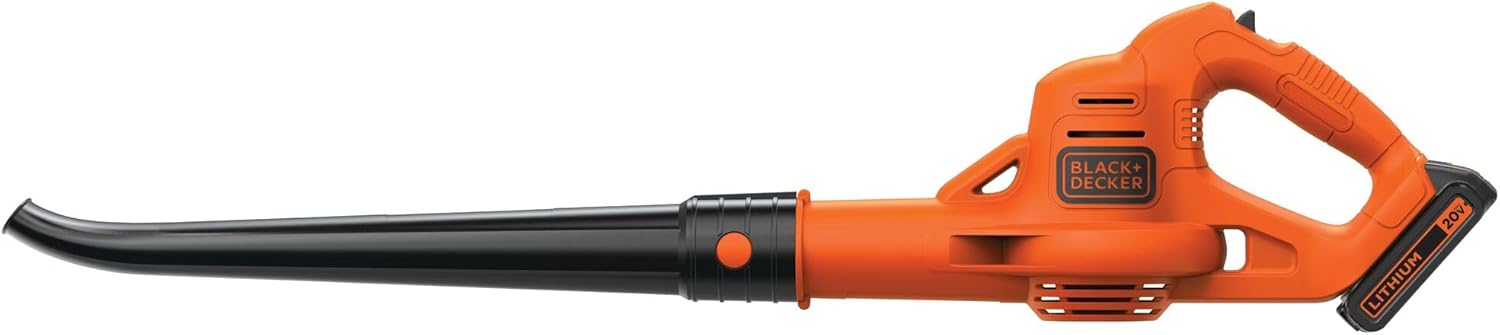
Hedge Trimmer

BLACK+DECKER 20V MAX

Best for Hedges
β˜…β˜…β˜…β˜…β˜† 4.6
Check Price
Powerful Lawn Edger

Greenworks Pro 80V Edger

Best for Tough Edges
β˜…β˜…β˜…β˜…β˜… 4.8
Check Price
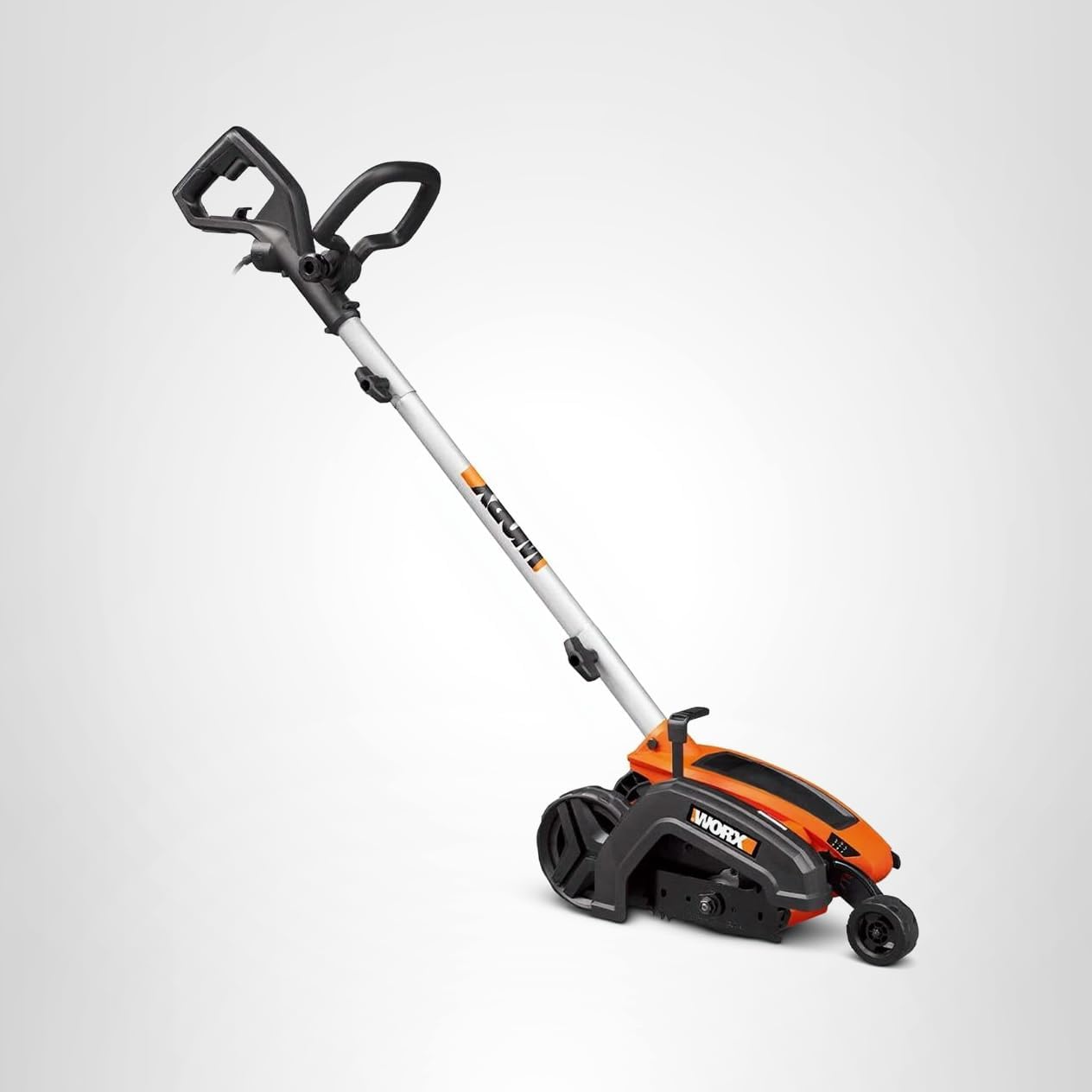
Value Lawn Edger

WORX WG896 Electric Edger

Best Value Edger
β˜…β˜…β˜…β˜…β˜† 4.6
Check Price
Handheld Leaf Blower

EGO POWER+ LB7654 Blower

Most Powerful Handheld
β˜…β˜…β˜…β˜…β˜… 4.9
Check Price
Value Leaf Blower

Ryobi 40V HP Blower

Best Value Blower
β˜…β˜…β˜…β˜…β˜† 4.7
Check Price
Backpack Leaf Blower

Greenworks Pro 80V Backpack

Best for Large Properties
β˜…β˜…β˜…β˜…β˜… 4.8
Check Price
Fertilizer Spreader

Scotts Elite Spreader

Best for Accurate Spreading
β˜…β˜…β˜…β˜…β˜… 4.8
Check Price
Manual Aerator

Yard Butler Spike Aerator

Best for Compaction
β˜…β˜…β˜…β˜…β˜† 4.5
Check Price
Dethatcher

Greenworks Dethatcher

Best for Thatch Removal
β˜…β˜…β˜…β˜…β˜† 4.6
Check Price
Backpack Sprayer

PetraTools HD4000 Sprayer

Best for Liquid Applications
β˜…β˜…β˜…β˜…β˜† 4.5
Check Price
All-Purpose Fertilizer

Scotts Turf Builder

Best All-Purpose Fertilizer
β˜…β˜…β˜…β˜…β˜… 4.8
Check Price
Robotic Mower

WORX Landroid M

Best Value Robot Mower
β˜…β˜…β˜…β˜…β˜† 4.4
Check Price
Premium Robotic Mower

ECOVACS Robot Lawn Mower

Best Wire-Free Mower
β˜…β˜…β˜…β˜…β˜… 4.8
Check Price
High-End Robotic Mower

Husqvarna Automower 415X

Best for Complex Yards
β˜…β˜…β˜…β˜…β˜… 4.8
Check Price
Smart Sprinkler Controller

Rachio 3 Controller

Best for Smart Watering
β˜…β˜…β˜…β˜…β˜… 4.8
Check Price
WiFi Water Timer

RAINPOINT WiFi Water Timer

Best for Drip Systems
β˜…β˜…β˜…β˜…β˜† 4.4
Check Price
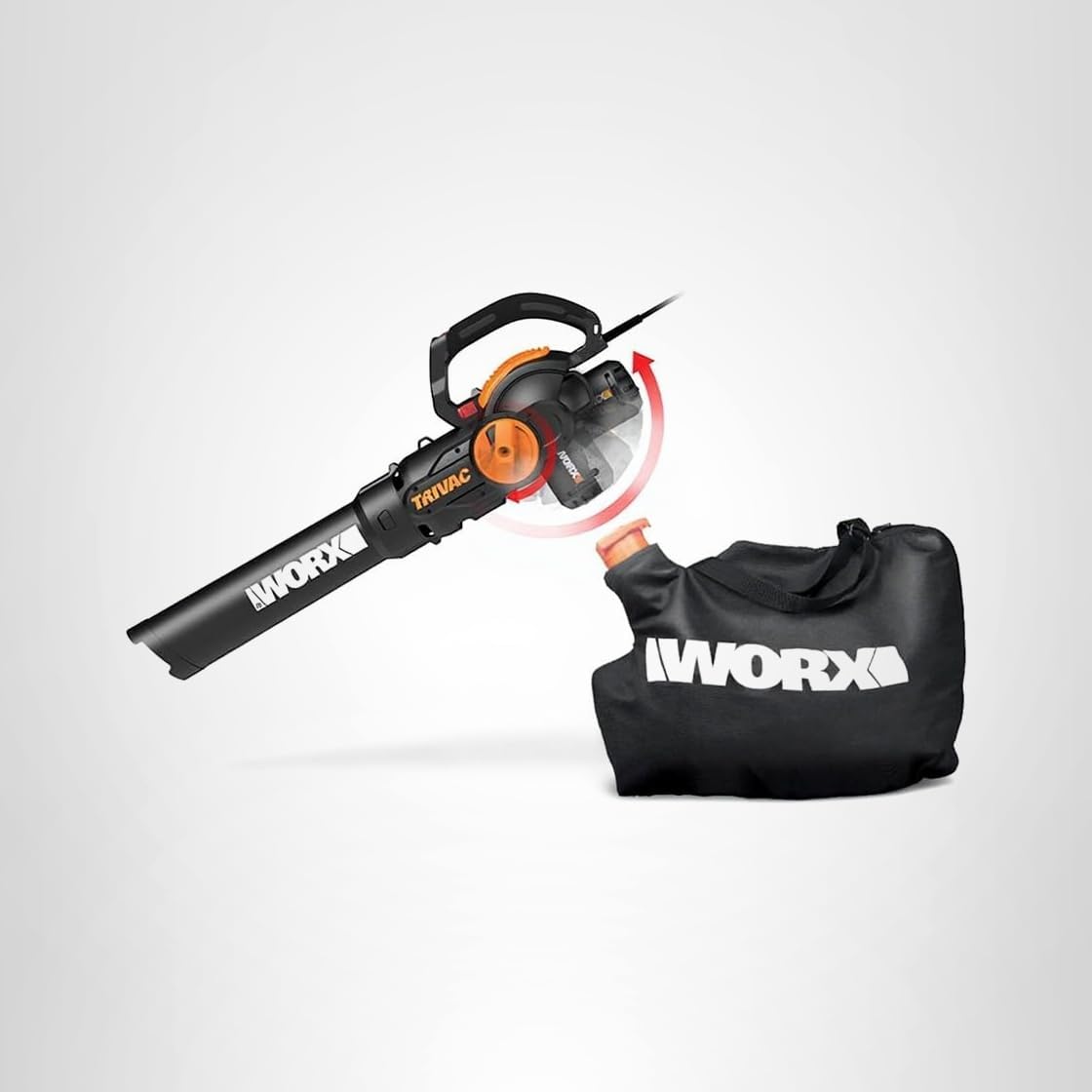
Blower/Vac/Mulcher

WORX TRIVAC

Best 3-in-1 System
β˜…β˜…β˜…β˜…β˜† 4.5
Check Price
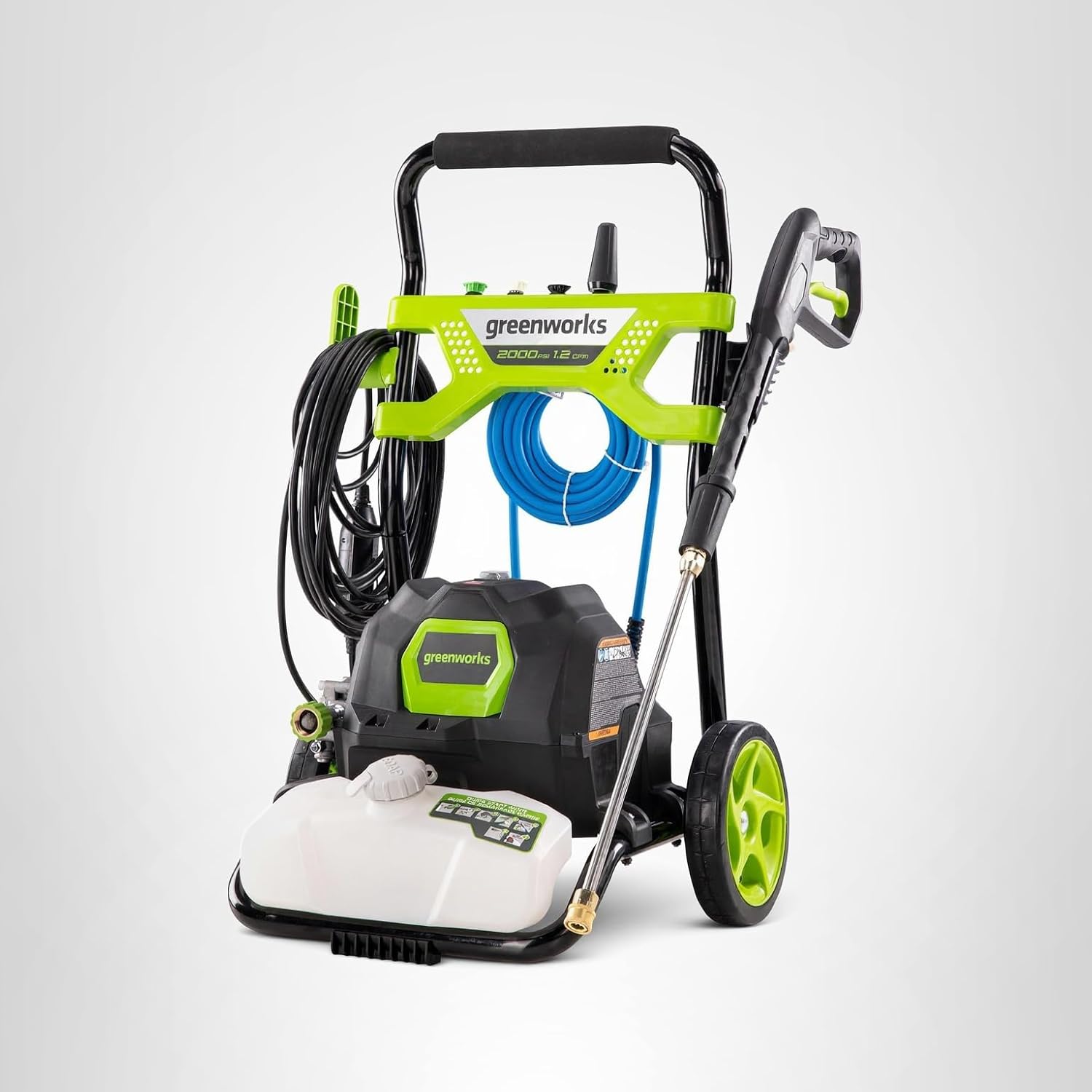
Pressure Washer

Greenworks 2000 PSI

Best for Patios & Siding
β˜…β˜…β˜…β˜…β˜† 4.6
Check Price
Hedge Trimmer

BLACK+DECKER 20V

Best Value Hedge Trimmer
β˜…β˜…β˜…β˜…β˜† 4.6
Check Price
Dethatcher

Greenworks Dethatcher

Best for Spring Cleanup
β˜…β˜…β˜…β˜…β˜† 4.6
Check Price
Pole Saw

Greenworks 40V Pole Saw

Best for Pruning Branches
β˜…β˜…β˜…β˜…β˜† 4.6
Check Price
Scroll to Top