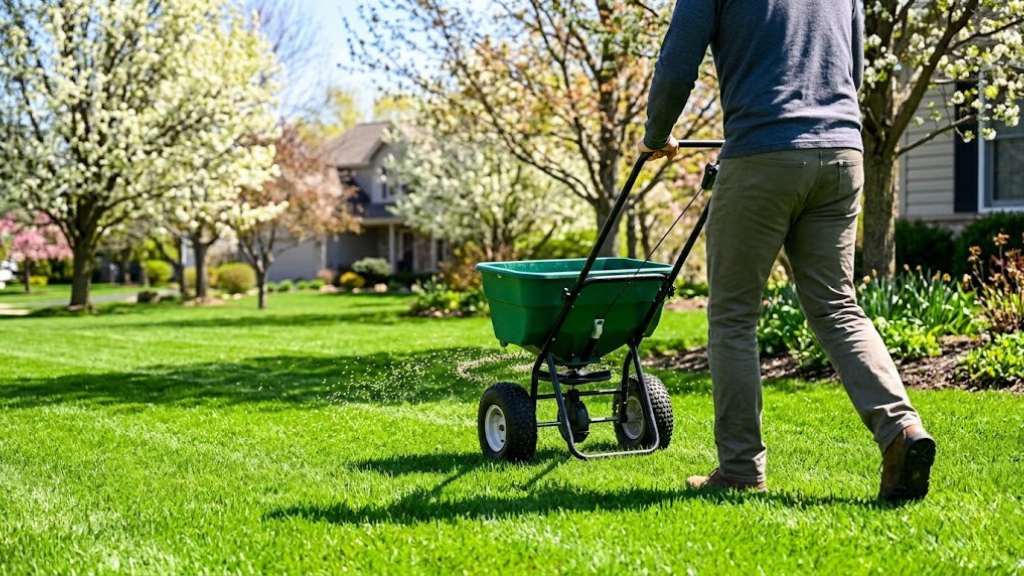
Can I Fertilize My Lawn Every 4 Weeks? The Honest, Science-Backed Answer
For most lawns, fertilizing every 4 weeks is too frequent with quick-release products — it risks burn, runoff, and over-stimulation. Slow-release or organic fertilizers on a 6–8 week rhythm, timed to growing seasons, is the sweet spot for nearly every grass type.
The Short Answer: It Depends on the Fertilizer
Every lawn enthusiast eventually asks it: can I fertilize my lawn every 4 weeks? It’s a completely reasonable question — after all, if some fertilizer is good, more should be better, right? Unfortunately, that logic tends to backfire in the garden. The 4-week question doesn’t have a simple yes or no answer because the right interval depends on three critical variables: the type of fertilizer you’re using, the grass species growing in your yard, and the time of year you’re applying.
Here’s the foundational truth that the bag rarely tells you: fertilizer isn’t food that your grass eats the moment it hits the ground. It’s a chemical signal that accelerates biological processes — and like any biological system, pushing too hard too fast creates stress, not strength. Apply quick-release nitrogen every four weeks all season and you’ll see an initial flush of bright green growth followed by thatch buildup, shallow roots, disease vulnerability, and in hot weather, significant burn damage.
What you can do every four weeks is monitor your lawn — watch its color, growth rate, and density — and apply fertilizer only when the data suggests it’s needed. That data-driven approach, combined with a well-planned seasonal calendar, is what separates lawns that look professionally managed from those that look stressed despite all the attention they receive.
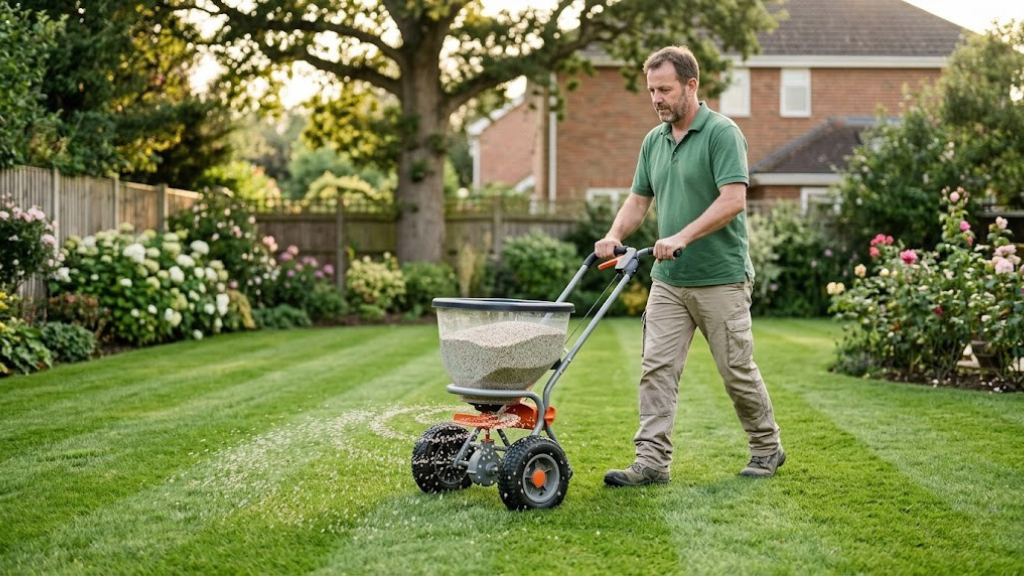
For deeper context on the fundamentals of lawn nutrition, our complete guide on how to fertilize your lawn for optimal growth and root health covers everything from reading NPK labels to timing applications around weather events.
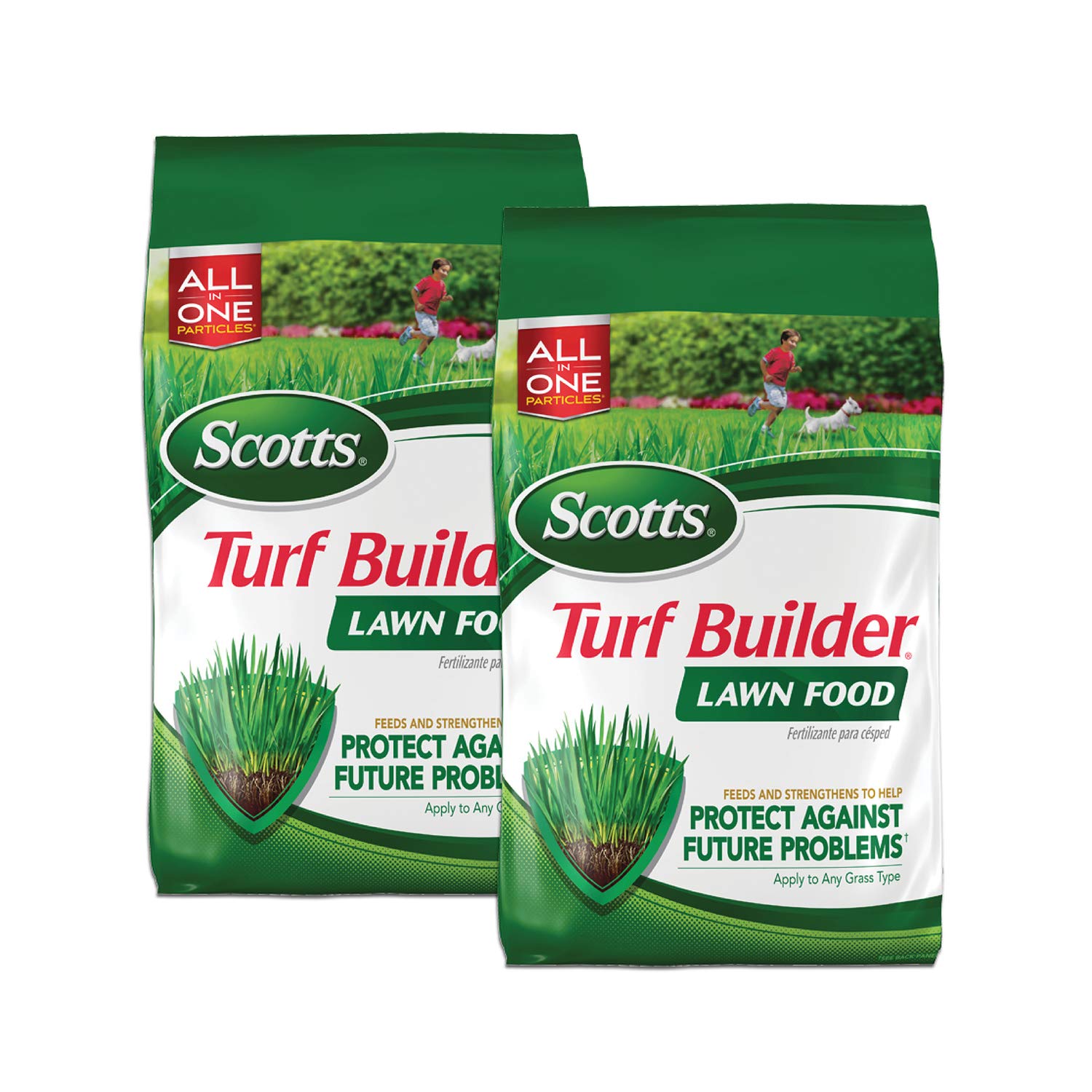
One of the most trusted granular fertilizers for established lawns — slow-release nitrogen, feeds for up to 2 months, minimizes burn risk.
→ Check Price on AmazonHow Lawn Fertilizer Actually Works
Before you can make smart decisions about timing, you need to understand what happens in the soil when fertilizer is applied. The three numbers on every fertilizer label — the NPK ratio — represent nitrogen (N), phosphorus (P), and potassium (K). Each plays a distinct role in your lawn’s biology.
Nitrogen is the engine of growth. It drives chlorophyll production, which is why nitrogen-fed lawns turn that deep, satisfying green. Phosphorus supports root development and energy transfer within the plant. Potassium strengthens cell walls, improves drought tolerance, and boosts disease resistance. Together, they form the nutritional foundation your turf needs — but the balance and timing of delivery matter enormously.
Quick-Release vs. Slow-Release: The Core Distinction
Quick-release fertilizers (often labeled as soluble or water-soluble) dump nitrogen into the soil rapidly. Grass responds fast — often visibly greener within days. But the surge also burns easily in hot weather, the excess washes away in rain, and within a few weeks the effect is gone, leaving you right back where you started (or worse off if burn occurred).
Slow-release fertilizers — including polymer-coated urea, sulfur-coated urea, and natural organic products — meter out nutrients over weeks or months. The grass gets a steady, moderate feed rather than a sudden spike. This is why the label on a quality slow-release product often says it feeds for 8–12 weeks. If you apply again after just 4 weeks, you’re stacking applications on top of nutrients that haven’t finished releasing yet.
Think of a quick-release fertilizer like a large sugary meal — instant energy, quick crash. A slow-release fertilizer is more like a sustained-energy protein bar. Your lawn’s root system thrives on the latter because it can absorb nutrients at the pace it naturally metabolizes them, without the stress of sudden excess.
Quick-Release vs. Slow-Release at a Glance
To go deeper on this specific choice, our head-to-head breakdown of slow-release vs. quick-release fertilizers runs the numbers on cost, effectiveness, and seasonal suitability across different grass types.
The Main Fertilizer Types and Their Ideal Timing Windows
Not all fertilizers behave the same way, and the label’s suggested interval is your starting point — not a rigid rule. Understanding the category of product you’re using tells you whether 4 weeks is safe, dangerous, or irrelevant.
| Fertilizer Type | Release Speed | Min. Reapply Interval | Burn Risk | Best For |
|---|---|---|---|---|
| Synthetic Quick-Release | Days | 6–8 weeks | High | Fast green-up, spring kick-start |
| Polymer-Coated Slow-Release | Weeks | 8–12 weeks | Very Low | Season-long feeding, busy homeowners |
| Sulfur-Coated Urea (SCU) | 2–4 weeks | 6–8 weeks | Low–Moderate | Budget-friendly slow-release option |
| Organic (Milorganite, bone meal) | Months | 8–10 weeks | Negligible | Soil health, pet-safe yards, beginners |
| Liquid Fertilizer (concentrate) | Hours–Days | 4–6 weeks | Moderate | Precision feeding, spot treatments |
| Weed & Feed (combination) | Days | 8–12 weeks | High | Lawns with broadleaf weed pressure |
| Starter Fertilizer | Days–Weeks | Once per seeding | Low | New seed, sod, or plugs only |
Notice that liquid fertilizers are the one category where a shorter interval — sometimes as brief as 4 weeks — can be appropriate. Because liquids are delivered at lower concentrations and absorbed quickly, they can be applied more frequently without accumulation risk. However, this requires careful rate calibration and is best suited to experienced gardeners who monitor their lawns closely.
If you apply a slow-release fertilizer and then add another application 4 weeks later “because the lawn doesn’t look green enough,” you’re stacking two release cycles on top of each other. Once those products peak simultaneously, you can create the equivalent of an overdose — burning your lawn with nutrients it can’t absorb fast enough. Always follow the label’s re-application interval, not your impatience.

A slow-release organic fertilizer with negligible burn risk. Feeds for up to 10 weeks and improves soil biology — ideal for families with children or pets.
→ Check Price on AmazonYour Grass Type Changes Everything About Fertilizer Timing
The most overlooked variable in fertilizer timing is the grass itself. Cool-season and warm-season grasses have completely different growth cycles, and fertilizing on the wrong schedule for your grass type is almost as damaging as fertilizing too frequently.
Cool-Season Grasses
Cool-season species — including tall fescue, Kentucky bluegrass, fine fescue, and perennial ryegrass — grow most vigorously in spring and fall when soil temperatures are between 50°F and 65°F. In summer, they naturally slow down or go semi-dormant. Feeding them heavily in midsummer with a quick-release nitrogen fertilizer during their stress period is a recipe for severe burn and disease.
The right approach: apply your heaviest nitrogen applications in early fall (September–October) when the grass is actively growing and building carbohydrate reserves for winter. A lighter application in early spring supports green-up. Avoid high-nitrogen feeding from June through August.
Warm-Season Grasses
Warm-season grasses — Bermuda, Zoysia, St. Augustine, Centipede, and Bahia — flip the script entirely. They thrive in summer heat and go dormant in winter. The fertilizer window opens in late spring when soil temperatures reach 65°F and closes in late summer — roughly 6 weeks before your first expected frost. Fertilizing warm-season grass in fall or when it’s going dormant causes new soft growth that gets killed by frost, potentially damaging or killing the turf.
Fertilizer Frequency Tolerance by Grass Type
Note: Centipede grass is highly sensitive to over-fertilizing — excess nitrogen causes decline (“centipede decline”). Less is always more.
The Right Seasonal Fertilizing Schedule
A fertilizer schedule isn’t just about how often — it’s about when during the year those applications should land. The calendar below represents a research-based framework adapted for both cool-season and warm-season grasses. It’s not a rigid prescription; consider it a starting template that you refine based on your soil test results, local climate, and what you observe in your own yard.
Monthly Nitrogen Need: Cool-Season vs. Warm-Season
Fertilizer Application Calendar by Grass Type
| Month | Cool-Season (Fescue / Bluegrass) | Warm-Season (Bermuda / Zoysia) |
|---|---|---|
| January–February | No feeding — dormant or near-dormant | No feeding — fully dormant |
| March | Light application if soil ≥45°F | No feeding yet |
| April | Moderate feeding as growth resumes | No feeding — soil temps still low |
| May | Last spring application; ease off | Begin feeding once soil ≥65°F |
| June | Skip — heat stress risk is high | Full feeding schedule begins |
| July | Skip — may be semi-dormant | Feed if actively growing |
| August | Skip — prepare for fall transition | Last heavy application |
| September | Primary fall feeding — most important | Light feeding only; tapering off |
| October | Winterizer application | No feeding — approaching dormancy |
| November–December | No feeding | No feeding — fully dormant |
For a complete month-by-month breakdown of every lawn care task — not just fertilizing — the complete 12-month lawn care calendar covers everything from aeration timing to overseeding windows.
How to Recognize Over-Fertilizing (Before It’s Too Late)
If you’ve been applying fertilizer too frequently, your lawn will tell you — but the signals are often mistaken for other problems, which can lead homeowners to apply even more fertilizer trying to “fix” a problem they’re actively causing. Knowing these signs is essential.
Symptoms of Over-Fertilization — Click to Expand
Known as “fertilizer burn,” this happens when excessive nitrogen draws water out of grass cells through osmosis. It typically appears as light-colored streaks following your spreader pattern. It often looks like drought stress but won’t recover with watering — the damage is chemical, not hydration-based.
Too much nitrogen forces grass into rapid top-growth mode, but root systems can’t keep pace. The result is lush-looking blades with weak, shallow roots — the grass grows fast but can’t sustain itself during stress periods. It becomes drought-sensitive and disease-prone very quickly.
Excessive nitrogen accelerates top growth faster than the soil’s microorganism population can decompose the dead organic matter. The result is a thick thatch layer that blocks water penetration, harbors pests, and creates a disease-friendly environment. If you’re dethatching more than once a year, over-fertilizing may be contributing.
Over-fertilized lawns with thatch buildup create the perfect environment for fungal pathogens. Brown patch, dollar spot, and pythium blight all thrive in conditions of excess nitrogen combined with moisture. If you’re battling recurring fungal issues, your feeding schedule may be part of the problem — not just the weather.
Synthetic fertilizers contain salts that can accumulate in the soil when over-applied. This salt buildup draws moisture away from roots and creates a hostile environment for beneficial soil microorganisms. If you see a white crusty residue on your soil surface or around plant bases, you’re dealing with salt accumulation — and the fix requires deep, repeated flushing with water.
Water deeply and immediately — aim for 1 inch of water to dilute and flush the salts. Don’t apply any more fertilizer for at least 8 weeks. If burn is severe, consider removing damaged areas and overseeding once the chemical levels normalize. A soil test 4–6 weeks later will tell you when conditions have returned to normal.
Signs Your Lawn Actually Needs More Fertilizer
The opposite problem — under-fertilizing — is also real and worth recognizing. While it’s less immediately damaging than over-application, a chronically underfed lawn will become thin, weed-prone, and vulnerable to pest pressure over time.
✅ Signs of Healthy Feeding
- Deep, consistent dark green color
- Dense coverage with no bare patches
- Moderate, steady growth
- Good recovery after foot traffic
- Minimal weed infiltration
- Resilient during drought stress
⚠️ Signs You’re Under-Fertilizing
- Pale yellow-green or washed-out color
- Slow growth even in peak season
- Thin coverage — scalp through when mowed
- Weeds outcompeting grass easily
- Poor bounce-back after summer heat
- Sandy soil that drains nutrients quickly
If your lawn shows signs of nutrient deficiency but you’ve been applying fertilizer, the problem may not be frequency — it could be soil pH preventing nutrient uptake. A soil pH outside the 6.0–7.0 range effectively locks nutrients out of the grass regardless of how much you apply. This is why a soil test is the non-negotiable first step before building any fertilizer program.
Additionally, some lawns lose nutrients faster due to soil structure — sandy soils drain and leach rapidly, while clay soils can bind nutrients in ways that make them unavailable. Understanding your soil type is foundational to knowing whether your fertilizer is actually reaching the grass roots. Our guide on lawn care fundamentals covers this soil science in accessible detail.
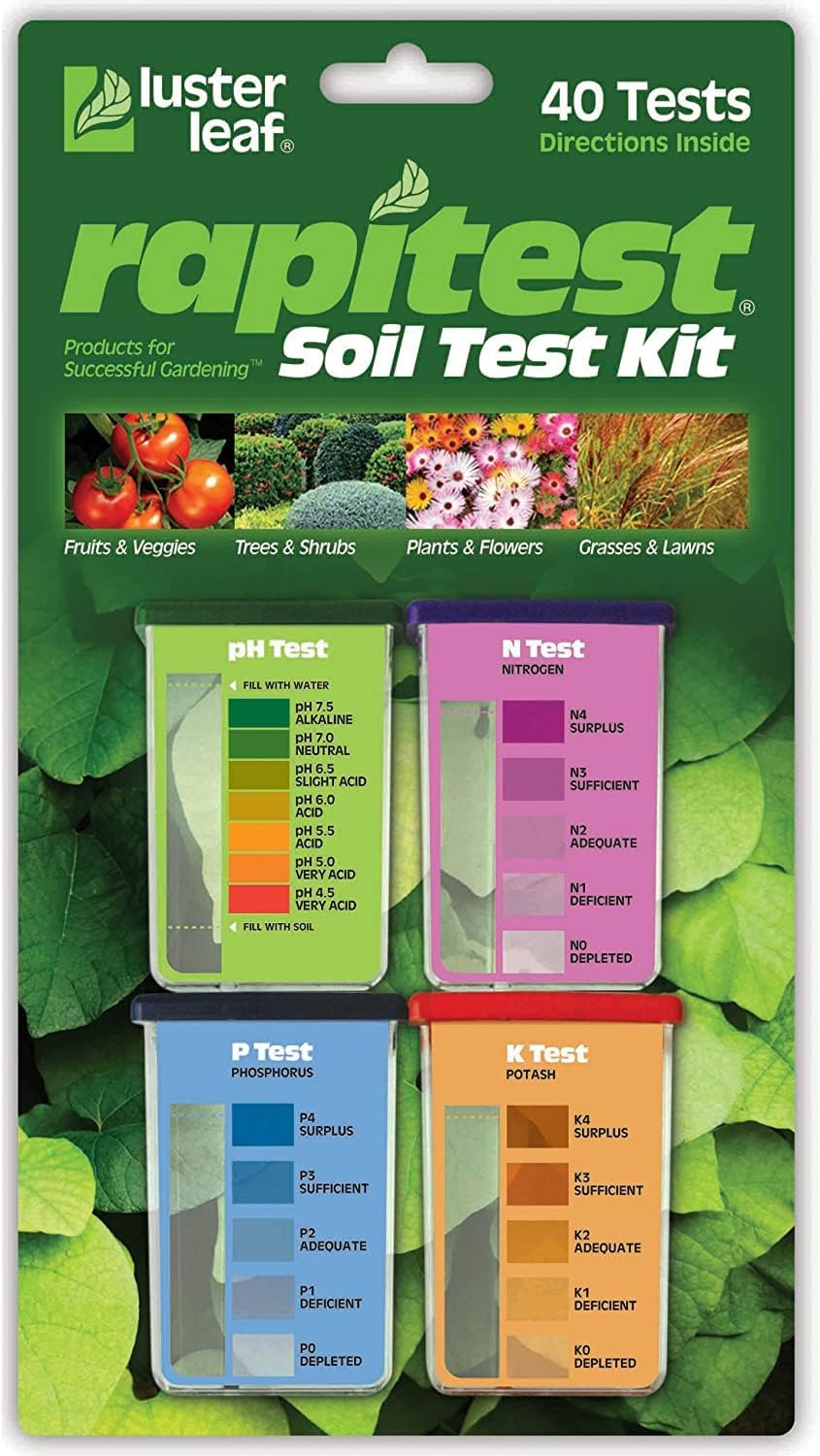
Test your soil pH and NPK levels at home in minutes. Knowing your soil baseline is the single best investment before any fertilizing program.
→ Check Price on AmazonWhy a Soil Test Changes Your Entire Fertilizer Strategy
If there’s one investment that pays more dividends than any specific fertilizer product, it’s a soil test. A basic soil analysis — available through your county extension office for as little as $15–$25, or via DIY kits for slightly more — gives you a precise picture of what nutrients your soil already has, what it lacks, and critically, whether your pH is allowing those nutrients to be absorbed at all.
What a Soil Test Tells You
- Current pH: Too acidic (below 6.0) or too alkaline (above 7.5) locks out nutrients even from properly applied fertilizers. Lime raises pH; sulfur lowers it.
- Nitrogen level: If your nitrogen is already adequate from previous applications or organic matter, applying more is money wasted at best, damaging at worst.
- Phosphorus and potassium status: Many lawns in established neighborhoods already have sufficient P and K — applying a high-phosphorus fertilizer when levels are adequate can contribute to nutrient runoff into waterways.
- Organic matter percentage: Soil with higher organic matter holds and releases nutrients more efficiently — you may need less fertilizer than a sandy or depleted soil.
- Micronutrient deficiencies: Iron, magnesium, sulfur, and manganese deficiencies look like nitrogen problems but don’t respond to nitrogen feeding.
Test your soil every 2–3 years for established lawns, or every year if you’re actively trying to improve soil health. For best results, collect samples from 6–8 locations around your yard and mix them together before sending to the lab. This composite sample gives you a more accurate picture than any single spot.
Understanding soil pH and its relationship to fertilizer uptake is one of the most powerful tools in a homeowner’s lawn toolkit. Our detailed walkthrough of step-by-step soil pH testing methods covers both DIY and professional approaches with accuracy comparisons.
“The soil test is your GPS. Without it, you’re fertilizing by guesswork — and guesswork in lawn care costs you time, money, and often the lawn itself.” — Extension Turf Specialist, University of Georgia Cooperative Extension
How to Apply Fertilizer Correctly: The Technique Matters
Even the perfect fertilizer applied at the perfect interval can fail — or cause damage — if the application technique is wrong. The mechanics of how you put the product down matter almost as much as what product you choose.
Granular Fertilizer Application
Granular fertilizer is best applied with a broadcast (rotary) spreader for large areas or a drop spreader for precision edging near beds, driveways, and water features. Calibrate your spreader to the rate specified on the bag — more is never better. Apply in two passes: once north-to-south, once east-to-west at half the rate each direction. This crosshatch pattern ensures even coverage and eliminates the striping effect that plagues single-pass applications.
Timing Around Rain and Temperature
Apply granular fertilizers when rain is expected within 24–48 hours, but not immediately before heavy downpours (which wash nutrients into storm drains). Ideal conditions: soil is moist, air temperature is below 85°F, and no heavy rain in the next few hours. For liquid fertilizers, apply on a calm day when the grass blades are dry and won’t have runoff issues.
When trying a new fertilizer product for the first time, apply at half the recommended rate. Monitor your lawn’s response over 2 weeks. If the response is healthy without burn, you can build toward the full rate on your next application. This protects you from the unpredictability of different soil conditions and fertilizer batches.
After Application: What to Do Next
- Water in granules within 24 hours of application if no rain — about ¼–½ inch is sufficient
- Avoid mowing for 24–48 hours after application to let the product settle
- Keep children and pets off until the product has been watered in and dried
- Note the date and product in a lawn log — this helps you track exactly when the next application window opens
Top Lawn Fertilizer Products Compared
With hundreds of fertilizer products on the market, narrowing down the best options for your specific situation can feel overwhelming. The interactive table below lets you filter by lawn type and fertilizer category — focus on what matters for your yard.
| Product | NPK | Release | Duration | Burn Risk | Best For |
|---|---|---|---|---|---|
| Scotts Turf Builder | 32-0-10 | Slow | 8 weeks | Low | All established lawns |
| Milorganite 6-4-0 | 6-4-0 | Organic | 8–10 wks | None | All grasses, organic lawns |
| Jonathan Green Fall Lawn Food | 22-0-14 | Quick+Slow | 6–8 wks | Low | Cool-season fall feeding |
| Pennington UltraGreen Lawn Fert. | 30-0-4 | Slow | 3 months | Very Low | Warm-season grasses |
| Scotts Turf Builder Southern | 32-0-10 | Slow | 8 weeks | Low | Bermuda, Zoysia, St. Augustine |
| Simple Lawn Solutions Extreme | 28-0-0 | Quick Liquid | 2–3 wks | Moderate | Quick green-up cool-season |
| Dr. Earth Super Natural Lawn Fert. | 9-0-5 | Organic | 2–3 months | None | Organic, chemical-free yards |
| Ironite Mineral Supplement | 1-0-1 | Quick | 2–4 wks | Very Low | Color enhancement, iron boost |
| Espoma Organic Spring Lawn Food | 8-0-0 | Organic Slow | 2–3 months | None | Cool-season spring organic feed |
| The Andersons PGF Complete | 16-4-8 | Slow | 12 weeks | Very Low | Warm-season premium feeding |
For a more detailed look at how these products compare in real-world conditions, our liquid vs. granular fertilizer comparison breaks down how each format affects nutrient release, application ease, and cost per square foot.

Even coverage is the #1 key to avoiding burn and stripes. This spreader’s EdgeGuard technology prevents fertilizer from landing in beds or on driveways.
→ Check Price on AmazonThe Most Common Lawn Fertilizing Mistakes (And How to Avoid Them)
Even well-intentioned homeowners make the same fertilizing errors season after season. Being aware of these patterns ahead of time will save you a lot of frustration — and money.
1. Fertilizing Dormant or Stressed Grass
Applying fertilizer to grass that is heat-stressed, drought-dormant, or cold-dormant is one of the fastest ways to cause serious damage. Dormant grass cannot take up nutrients effectively, so the fertilizer sits in the soil, accumulates to damaging concentrations, or washes away entirely. Always wait until your grass has resumed active growth before feeding — and when in doubt, a quick tug test tells you: if the blades pull back against resistance, the roots are active.
2. Fertilizing Without Watering Properly
Granular fertilizer that isn’t watered in properly stays on the surface where it can burn blades and be lost to wind or runoff. The granules need to reach the root zone to do any good. Always water in your application within 24 hours — ¼ to ½ inch of water is typically sufficient to move granules off blades and into the soil profile.
3. Applying the Same Product Year-Round
Your lawn’s nutritional needs shift dramatically across seasons. A high-nitrogen spring formula isn’t appropriate for fall application — and a winterizer high in potassium isn’t what you want in spring. Using season-specific formulations (or adjusting your NPK based on the season) keeps you in alignment with what the grass actually needs at each growth stage.
4. Ignoring the Spreader Calibration
Your spreader’s settings from the bag are designed for a specific spreader model. If you’re using a different model, those settings may significantly over- or under-apply. Always do a calibration check — spread over a tarp for a measured area and weigh what you’ve applied — before working across your entire lawn.
5. Skipping Aeration Before Heavy Feeding
Compacted soil prevents fertilizer from reaching root zones efficiently. In lawns that haven’t been aerated in 2+ years, a significant portion of what you apply may be doing nothing productive. Aerating before your major fall or spring feeding dramatically improves nutrient uptake and is one of the highest-return tasks in the lawn care calendar. Our guide on the benefits of lawn aeration walks through exactly why this step has such an outsized impact on overall lawn health.

Frequently Asked Questions
Can I fertilize my lawn every 4 weeks? ▼
It depends on the fertilizer type and your grass. Quick-release fertilizers should not be applied every 4 weeks — that risks burn and over-stimulation. Slow-release or organic fertilizers can sometimes be applied on a 6–8 week cycle. Most lawns do best with 4–6 applications per year timed to growing seasons, not a rigid 4-week calendar.
What happens if you fertilize too often? ▼
Over-fertilizing causes fertilizer burn (yellow or brown streaks), excessive thatch buildup, nutrient runoff into waterways, weakened root systems due to over-reliance on surface nutrients, and increased susceptibility to disease and pests. In severe cases it can kill large patches of lawn that require overseeding to recover.
How do I know if my lawn needs fertilizer? ▼
Signs include slow or weak growth, pale yellow-green color, thin or patchy coverage, and poor response to watering. A soil test is the most reliable method — it tells you exact nutrient levels and pH, removing all guesswork. Visual cues alone can be misleading, as many nutrient deficiencies look similar to other problems.
What is the best fertilizer schedule for cool-season grass? ▼
Cool-season grasses should be fertilized primarily in fall (September–November) and lightly in spring (April–May). Avoid heavy feeding in summer heat. Aim for 3–4 applications per year: a light spring feeding, possibly a light early summer (June) application if needed, then the primary fall feeding and a winterizer application in October.
What is the best fertilizer schedule for warm-season grass? ▼
Warm-season grasses should be fertilized during active growth from late spring through early fall. Start when soil temperatures reach 65°F (typically May). Apply every 6–8 weeks during peak summer growth, and stop all applications at least 6 weeks before the first expected frost to avoid promoting tender growth that gets frost-killed.
Is slow-release fertilizer better than quick-release? ▼
For most homeowners, yes. Slow-release fertilizers feed grass steadily over 6–12 weeks, reducing burn risk and the need for frequent applications. They’re more forgiving of application errors and work better at higher temperatures. Quick-release fertilizers have their place — spring green-up, fast recovery — but carry higher risk and require more precision.
Should I fertilize before or after rain? ▼
Apply granular fertilizer when light rain is expected within 24–48 hours — the moisture activates the granules. Avoid applying before heavy rain (more than ½ inch), which causes nutrient runoff. If no rain is coming, water in the fertilizer yourself within 24 hours of application.
Can I fertilize and overseed at the same time? ▼
Use a starter fertilizer — not regular lawn fertilizer — when overseeding. Starter fertilizers have higher phosphorus that supports root development in new seedlings. Regular nitrogen-heavy fertilizers can actually inhibit germination. Wait until the new grass has been mowed 2–3 times before switching to your regular fertilizer program.
How long after fertilizing can I let my kids or pets on the lawn? ▼
With granular fertilizers, wait until after the next watering and the lawn has dried — typically 24–48 hours. With liquid fertilizers, wait until the product has dried completely (usually 1–2 hours). Products that include pesticides (weed-and-feed type) typically have longer re-entry intervals stated on the label — always read and follow label instructions.
Does fertilizing help with weeds? ▼
Indirectly, yes. A dense, well-fed lawn crowds out weeds by shading the soil and outcompeting weed seeds for light, water, and nutrients. However, fertilizer alone won’t eliminate existing weeds — you’ll need targeted herbicide or mechanical removal for those. Think of proper fertilizing as a long-term weed prevention strategy, not a cure.
What NPK ratio should I use for lawn fertilizer? ▼
For most established lawns, a fertilizer higher in nitrogen (N) is best — ratios like 30-0-4, 24-0-8, or 28-0-6 work well. Lawns establishing from seed or sod benefit from higher phosphorus in a starter blend like 10-20-10. Fall winterizers should be high in potassium (like 14-0-14). Always do a soil test to understand what your specific soil needs.
Can I fertilize in summer? ▼
With caution. Fertilizing during heat stress (temperatures above 85–90°F) increases burn risk significantly, especially with quick-release nitrogen. If you must fertilize warm-season grasses in summer, use a slow-release product at half the recommended rate, apply in the early evening, and water immediately. For cool-season grasses, skip summer fertilizing entirely.
Conclusion: Build a Schedule, Not a Habit
The 4-week fertilizing question ultimately comes down to this: frequency without context is meaningless. What matters is matching your fertilizer type, your grass species, the current season, and your soil’s actual nutritional status into a coherent, sustainable plan. That plan will rarely look like “apply fertilizer every 4 weeks” — but it will reliably produce the kind of lawn that makes neighbors stop and ask what your secret is.
Start with a soil test. Choose a high-quality slow-release product appropriate for your grass type. Build a seasonal calendar with 4–6 well-timed applications per year. Water properly before and after. And monitor your lawn’s response, adjusting as you go. That approach will serve you far better than any rigid interval — and your grass, your soil biology, and your local waterways will all be better for it.
For everything beyond fertilizing — from aeration and mowing to seasonal preparation — our complete guide to lawn care 101 has you covered at every stage of the year.
Ready to Build Your Perfect Lawn Fertilizer Schedule?
Explore our complete lawn fertilizing guide — with NPK breakdowns, soil testing methods, and product recommendations tailored to every grass type.
→ Read the Complete Fertilizing Guide