Identifying and Selecting the Best Grass Types for Your Region
A lush, emerald-green lawn is the quintessential canvas of the American landscape. It’s where weekend barbecues happen, where children play tag, and where homeowners find a sense of pride in curb appeal. However, achieving that picture-perfect turf isn’t just about watering and mowing; it begins with the fundamental decision of choosing the right types of grass for lawns specific to your environment.
Grass is not a “one-size-fits-all” plant. A variety that thrives in the humid heat of Florida will likely perish in the freezing winters of Minnesota. Similarly, the turf used on a professional golf course requires a vastly different maintenance schedule than the low-maintenance mix preferred by a busy homeowner. Understanding the botany, soil requirements, and climate preferences of different grass species is the first step toward lawn mastery.
In this comprehensive guide, we will dissect the major categories of turfgrasses, exploring their strengths, weaknesses, and ideal growing conditions. Whether you are dealing with deep shade, sandy soil, or heavy foot traffic, there is a grass type engineered by nature (and breeding) to handle it. For a broader look at maintaining your yard once you’ve chosen your grass, check out our guide on Lawn Care 101.
1. Understanding Lawn Zones: The Climate Map
Before buying seed or calling a sod company, you must identify your “Lawn Zone.” The United States is generally divided into three distinct zones based on temperature and climate patterns:
The Cool-Season Zone
Located in the northern U.S. and Canada, this zone features cold winters and mild summers. Grasses here grow vigorously in the spring and fall but may go dormant (brown) during the peak heat of summer if not watered. They are adapted to survive freezing temperatures.
The Warm-Season Zone
Encompassing the southern states, this zone sees hot summers and mild winters. Warm-season grasses thrive in heat and drought but will go dormant and turn brown as soon as soil temperatures drop in late autumn.
The Transition Zone
This is the difficult “middle belt” stretching from Kansas east to Virginia. Here, summers are too hot for many cool-season grasses, yet winters are too cold for many warm-season varieties. Homeowners in the transition zone often have to choose the “least worst” option or rely on specific cultivars bred for adaptability.
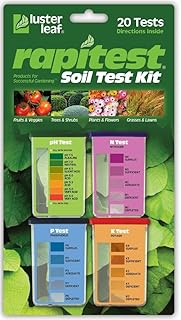
Before You Plant: Know Your Soil
Don’t guess what your soil needs. A professional soil test kit is the first step to a healthy lawn.
Check Price on Amazon2. Cool-Season Grasses: The Northern Standard
Cool-season grasses are C3 plants, meaning their photosynthetic process is most efficient in cooler temperatures (60°F to 75°F). They are typically grown from seed (though sod is available) and are often sold in “mixes” to ensure a resilient lawn. If one species struggles with disease, another in the mix takes over.
The “Big Three” of cool-season grasses are Kentucky Bluegrass, Perennial Ryegrass, and Tall Fescue.
3. Kentucky Bluegrass (KBG): The King of Cool
Kentucky Bluegrass (Poa pratensis) is arguably the most famous cool-season grass. Known for its stunning dark blue-green color and boat-shaped leaf tips, it creates a dense, carpet-like sod that feels soft under bare feet.
Growth Habit
Unlike bunch-type grasses, KBG spreads via rhizomes—underground stems that shoot up new grass blades. This self-repairing ability makes it excellent for lawns that see kids and pets playing, as it can fill in bare spots over time.
Pros and Cons
- Self-repairs damage via rhizomes.
- Excellent cold tolerance (winter hardy).
- Beautiful dark color and fine texture.
- Great for striping patterns.
- Shallow root system requires frequent watering.
- High fertilizer requirement (3-5 lbs nitrogen/1000 sq ft).
- Slow germination (21-30 days).
- Poor shade tolerance.
Ideal For: Full sun lawns in the North where homeowners are willing to irrigate and fertilize regularly.
4. Perennial Ryegrass: The Speed Demon
Perennial Ryegrass (Lolium perenne) is the sprinter of the grass world. It has the fastest germination rate of any major turfgrass, often sprouting in as little as 5 to 7 days. This makes it the go-to choice for overseeding and erosion control.
The Nurse Grass
Because it grows so fast, it is often mixed with Kentucky Bluegrass. The Ryegrass establishes quickly, holding the soil in place and preventing weeds, giving the slower-growing Bluegrass time to catch up. It has a shiny backside to the leaf blade and forms clumps rather than spreading.
Pros and Cons
- Lightning-fast germination.
- Incredible wear tolerance (used on sports fields).
- Deep green color.
- Endophyte-enhanced varieties resist insects.
- Bunch-type growth (does not self-repair).
- Can look “clumpy” if not seeded heavily.
- Struggles in extreme heat and ice.
- Dulls mower blades quickly due to tough fibers.

Top Rated Perennial Ryegrass Seed
Perfect for quick repairs and overseeding existing lawns.
View on Amazon5. Tall and Fine Fescues: The Low-Maintenance Warriors
If you want a lawn that stays green with less fuss, Fescues are your best bet in the cool-season zone. They are divided into two main categories: Tall Fescue and Fine Fescue.
Turf-Type Tall Fescue (TTTF)
Modern TTTF is a miracle of breeding. Older varieties were wide-bladed and ugly (think pasture grass), but newer “Turf-Type” cultivars have thinner blades that rival Bluegrass. Its superpower is its deep root system, which can reach 2-4 feet into the soil, allowing it to access water that other grasses can’t reach.
Pro Tip: TTTF is the best choice for the Transition Zone because it handles heat better than KBG or Ryegrass.
Fine Fescues
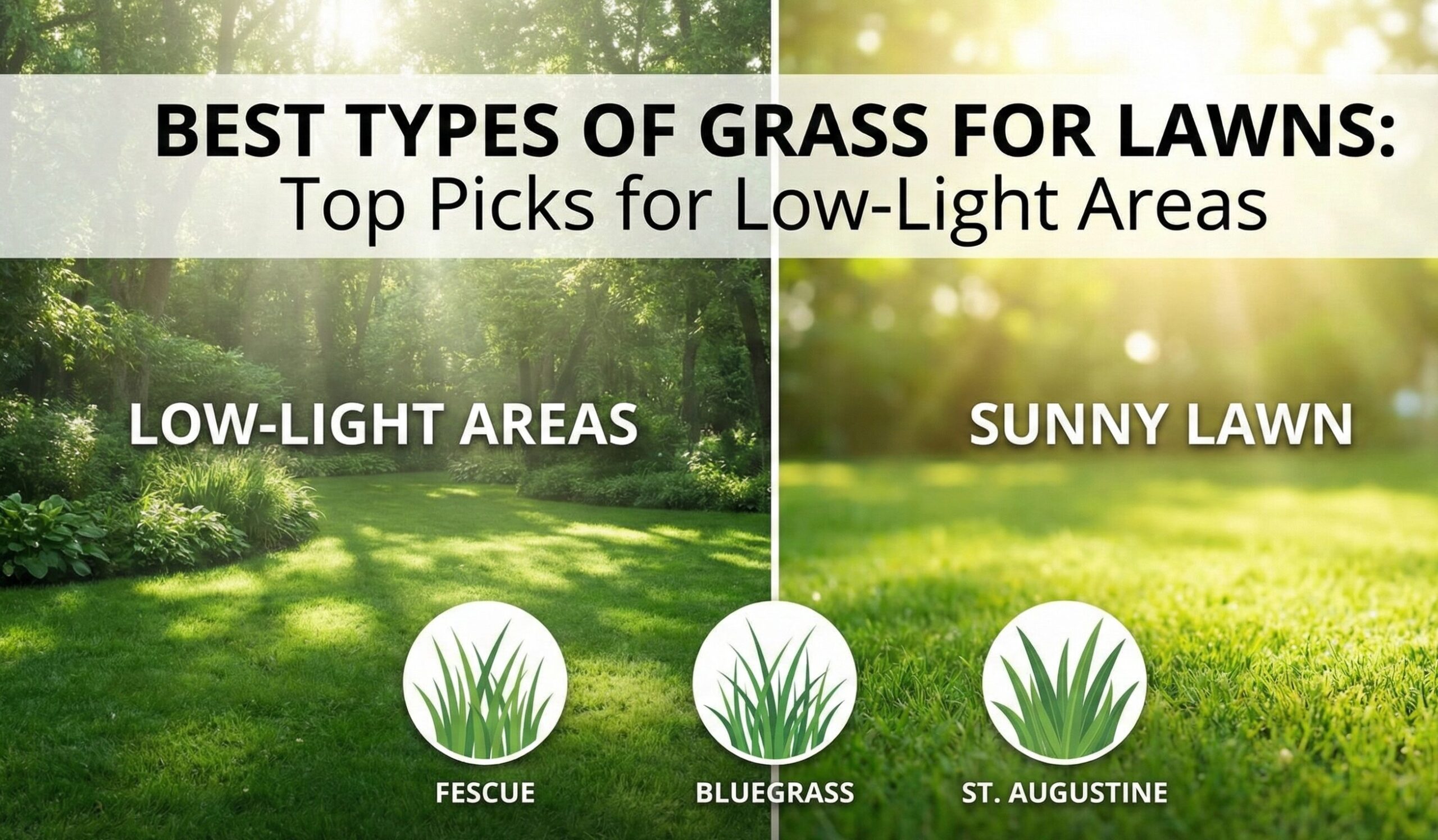
This group includes Creeping Red, Chewings, Hard, and Sheep Fescue. They have extremely narrow, needle-like blades. Their claim to fame is shade tolerance. If you have dense tree cover, Fine Fescue is often the only grass that will survive.
| Feature | Tall Fescue (TTTF) | Fine Fescue |
|---|---|---|
| Texture | Medium-Coarse | Very Fine (Needle-like) |
| Shade Tolerance | Good | Excellent |
| Drought Tolerance | Excellent (Deep roots) | Moderate |
| Traffic Tolerance | High | Low |
6. Warm-Season Grasses Overview: The Southern Specialists
Warm-season grasses are C4 plants, highly efficient at photosynthesis in high temperatures and sunlight. They love the heat and are usually established via sod, plugs, or sprigs rather than seed (though Bermuda and Zoysia seeds exist, they are often different cultivars than the high-end sod varieties).
These grasses go dormant and turn straw-colored when soil temps dip below 55°F. To keep green color year-round, some southern homeowners overseed with annual ryegrass in the winter.
7. Bermuda Grass: The Athlete’s Choice
Bermuda grass (Cynodon dactylon) is the alpha of warm-season grasses. It is aggressive, resilient, and loves to be fed. It is the standard for golf courses and athletic fields across the South because it recovers from damage incredibly fast.
Growth Habit
Bermuda spreads by both stolons (above-ground runners) and rhizomes (underground stems). This dual-action spreading makes it nearly impossible to kill once established, but also means it will invade your flower beds if not edged properly.
Maintenance Requirements
Bermuda is high maintenance. It needs full sun (it hates shade) and frequent mowing. To look its best, it should be mowed low—often between 0.5 to 1.5 inches—using a reel mower, though rotary mowers work at higher settings.
For a detailed comparison on how Bermuda stacks up against other heat-tolerant options, read our guide on Bermuda vs. St. Augustine Grass.
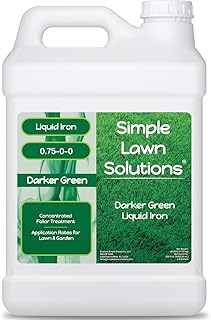
Boost Your Bermuda
High-nitrogen fertilizer designed specifically to push Bermuda growth.
Shop Fertilizers8. St. Augustine Grass: The Shade-Loving Southerner
St. Augustine (Stenotaphrum secundatum) is the dominant grass in Florida and the Gulf Coast. It has broad, coarse blades and thrives in humidity.
Shade Tolerance
Unlike Bermuda, St. Augustine has excellent shade tolerance for a warm-season grass. If you have big oaks in the South, this is likely your grass.
Vulnerability
It is susceptible to Chinch Bugs and a disease called “St. Augustine Decline.” It also requires a lot of water to stay green. It spreads via aggressive stolons that look like thick vines crawling across the soil. Important: St. Augustine is almost always established via sod, plugs, or sprigs—seeds are not commercially viable for this species.
9. Zoysia Grass: The Luxury Carpet
Zoysia is often considered the “luxury” option. It forms an incredibly dense turf that naturally chokes out weeds. Walking on a well-maintained Zoysia lawn feels like walking on deep pile carpet.
Varieties
- Zoysia Japonica: Coarser texture, better cold tolerance, can be seeded.
- Zoysia Matrella: Finer texture, shade tolerant, strictly vegetative (sod/plugs).
The Slow Grower
Zoysia grows slower than Bermuda, which means less mowing, but also slower recovery from damage. It is incredibly efficient with water once established. However, due to its density, it is prone to thatch buildup and may require vertical mowing or dethatching.
10. Centipede and Bahia: The Low-Input Options
Centipede Grass
Known as the “Lazy Man’s Grass,” Centipede has a naturally light apple-green color. It requires very little fertilizer (too much nitrogen actually kills it) and minimal mowing. It prefers acidic soils, making it perfect for the Southeast. Centipede is usually planted as seed or sod.
Bahia Grass
Bahia is the utility grass of the South. It is often found on roadsides because it is tough as nails and drought-tolerant. However, it produces unsightly “Y-shaped” seed heads very quickly, requiring frequent mowing just to keep it looking tidy. It is not generally recommended for high-end show lawns but is excellent for large acreages and erosion control. Seeding is the most common establishment method for Bahia.
11. Native Alternatives: Buffalo Grass
For the eco-conscious homeowner in the Midwest and Plains states, Buffalo Grass is a native warm-season grass that requires a fraction of the water of traditional lawns. It has a beautiful blue-green hue and can be left unmowed for a natural meadow look (reaching 4-6 inches) or mowed for a turf look. It is not suitable for high-traffic areas or shade. Buffalo grass is typically established from seed or sod.
12. Selection Factors: How to Choose
When selecting your grass, filter your options through these three critical constraints:
1. Sunlight Analysis
Track the sun in your yard.
- 8+ Hours Direct Sun: Bermuda, Zoysia, Kentucky Bluegrass.
- 4-6 Hours Sun: Tall Fescue, St. Augustine, Zoysia (specific cultivars like Zeon).
- <4 Hours Sun: Fine Fescue, or consider ground cover alternatives (moss, mulch).
2. Soil pH
Grass cannot uptake nutrients if the pH is off. Centipede loves acidic soil (pH 5.0-6.0), while Kentucky Bluegrass prefers neutral soil (pH 6.5-7.0). Before planting, learn about soil preparation in our article on step-by-step soil pH testing methods.
3. Usage
Do you have big dogs? Kids playing soccer? Bermuda and Tall Fescue can take a beating. St. Augustine and Centipede are sensitive to heavy traffic.
13. Maintenance Schedules Comparison
Your commitment level dictates your grass choice. Don’t plant a “high maintenance” grass if you only want to mow twice a month.
| Grass Type | Mowing Frequency | Fertilizer Needs | Watering Needs |
|---|---|---|---|
| Bermuda | Every 3-5 days | High | Medium |
| Kentucky Bluegrass | Every 5-7 days | High | High |
| Tall Fescue | Every 5-7 days | Medium | Medium |
| Zoysia | Every 7-10 days | Low-Medium | Low |
| Centipede | Every 10-14 days | Very Low | Medium |
Proper watering is just as critical as the grass type. Overwatering promotes shallow roots and fungus. For a deep dive, see our guide on the best watering schedule for lawns.

The Right Cut
Ensure a clean cut with a top-rated lawn mower to prevent disease and stress.
See Top Mowers14. Establishment Methods: Seeding, Plugs & Sod
Beyond choosing the right species, how you establish your lawn matters just as much. Here’s a breakdown:
- Seeding: Most economical, best for large areas. Cool-season grasses like KBG, fescue, and ryegrass are commonly seeded. Warm-season Bermuda and Zoysia also come in seed varieties (though improved cultivars are often sold as sod). Seeding requires precise soil contact and consistent moisture.
- Sod: Instant lawn, weed-free, but expensive. Ideal for warm-season grasses like St. Augustine (which rarely produces viable seed) and for quick erosion control. St. Augustine, Zoysia, and Bermuda are widely available as sod.
- Plugs & Sprigs: Small pieces of living grass planted in a grid. Cheaper than sod, takes longer to fill in. Common for Zoysia and Bermuda in home lawns. Plugs are perfect for repair patches.
For a full guide on when to seed, read our seasonal seeding timeline.
15. Regional Blends & Tailored Choices
Depending on your microclimate, blends often outperform single varieties. Here’s what works best regionally:
- Upper Midwest / Northeast: Kentucky Bluegrass + Fine Fescue for shade; or KBG + Perennial Ryegrass for durability. Many blends include small amounts of Ryegrass for quick cover.
- Pacific Northwest: Tall Fescue and Fine Fescue dominate due to cool, wet winters and dry summers. Blends with perennial ryegrass are common for high traffic.
- Deep South (Gulf/Atlantic): Pure St. Augustine in shade, Bermuda in full sun. Centipede for low-maintenance acidic soils. Bahia for sandy, droughty areas.
- Transition Zone (Virginia to Kansas): Turf-Type Tall Fescue is king. Some use Zoysia for warm-season appeal, but it goes dormant in winter. Others overseed Bermuda lawns with perennial ryegrass for winter green.
- Southwest / Arid Regions: Bermuda, Buffalo grass, and improved tall fescue (if watered) are the go-to choices. Avoid high-water St. Augustine unless you live near the coast.
Blends provide genetic diversity—if disease strikes one cultivar, others may resist. Always check the label for the exact percentages.
Frequently Asked Questions
What is the best grass for a lawn with dogs?
Tall Fescue and Bermuda grass are the best options for dogs. Tall Fescue has a deep root system that resists tearing, while Bermuda recovers very quickly from traffic and urine spots due to its aggressive growth.
Which grass stays green all year?
In cool climates, Kentucky Bluegrass and Fescue stay green unless there is extreme freeze or drought. In warm climates, no grass stays naturally green in winter unless you overseed with annual ryegrass.
Can I mix different types of grass?
Yes, but usually only within the same season type. Mixing Kentucky Bluegrass and Tall Fescue is common (Cool season). However, mixing Bermuda and St. Augustine (Warm season) often results in a patchy, uneven lawn.
What is the easiest grass to grow?
For cool regions, Turf-Type Tall Fescue is the most forgiving. For warm regions, Centipede grass is the easiest due to its low fertilizer and mowing requirements.
When is the best time to plant grass?
Cool-season grasses should be planted in early Fall (September). Warm-season grasses should be planted in late Spring or early Summer when temperatures are consistently rising.
How do I identify my existing grass type?
Check the blade width, tip shape (boat like KBG, pointed like fescue), and growth habit (runners vs clumps). In the North, it’s likely a cool-season mix; in the South, look for stolons—St. Augustine has thick runners, Bermuda thinner ones.
Is Zoysia better than Bermuda?
Zoysia is more shade tolerant and requires less mowing than Bermuda, but Bermuda recovers faster from damage and is more drought tolerant. It depends on your priorities.
Does St. Augustine grass have seeds?
Commercial St. Augustine grass is sterile and does not produce viable seeds. It must be planted via sod, plugs, or sprigs.
Can I plant grass seed in summer?
It’s risky. Warm-season grasses can be seeded in late spring/early summer, but cool-season grasses seeded in summer usually fail due to heat and weeds. Wait for fall.
Conclusion
Choosing the right grass type is a balance of science and lifestyle. It requires evaluating your local climate, your soil’s chemistry, and how much time you are willing to dedicate to maintenance. Whether you choose the deep emerald of Kentucky Bluegrass or the resilient toughness of Bermuda, the key to success lies in preparation and consistency.
Remember, a lawn is a living ecosystem. Start with the right genetics for your zone, and half the battle is already won. If you are ready to upgrade your toolset to maintain your new lawn, browse our reviews and guides to get started.