Master Your Turf: Diagnosing Common Lawn Problems and Solutions
Every homeowner dreams of a lush, emerald-green carpet that rivals a golf course fairway. Yet, the reality is often a patchwork of brown spots, mysterious rings, invading weeds, and thinning turf. A lawn is a living ecosystem, and like any living thing, it gets sick. The difference between a lawn that struggles and one that thrives isn’t luck—it’s diagnosis.
Understanding lawn problems and solutions requires you to think less like a gardener and more like a doctor. Is that brown patch caused by a fungus, a grub worm, or a dull mower blade? Treating a fungal infection with more water will only make it worse. In this comprehensive guide, we will break down the symptoms, causes, and cures for the most common issues plaguing lawns today. For a foundational understanding of routine maintenance, refer to our Lawn Care 101 guide.
1. Diagnostics 101: Reading Your Lawn
Before you run to the hardware store, you need to perform a physical exam on your turf. Most lawn problems manifest in visible patterns that act as clues.
Grab a handful of brown grass and pull. If it lifts up like a loose carpet with no roots attached, you likely have grubs eating the roots. If it stays firm but the blades break off, you might have a fungal issue or drought stress.
Pattern Recognition
- Circular Patches: Usually indicate fungal diseases (Brown Patch, Dollar Spot) or pet urine damage.
- Irregular Blotches: Often signs of insect damage (Chinch bugs) or chemical spills.
- Overall Yellowing: Typically points to nutrient deficiency (Nitrogen/Iron) or pH imbalance.
- Striping/Lines: Almost always mechanical error (fertilizer spreader overlap or mower damage).
2. Soil Compaction: The Silent Killer
Grass roots need oxygen just as much as they need water. Over time, foot traffic, mowing equipment, and heavy rainfall compress the soil particles, squeezing out air pockets. This is known as soil compaction. When soil is compacted, water runs off instead of soaking in, and roots cannot expand.
The Solution: Core Aeration
The gold standard for fixing compaction is core aeration. This process involves a machine that physically pulls plugs of soil out of the ground, creating channels for air, water, and nutrients to penetrate deep into the root zone.
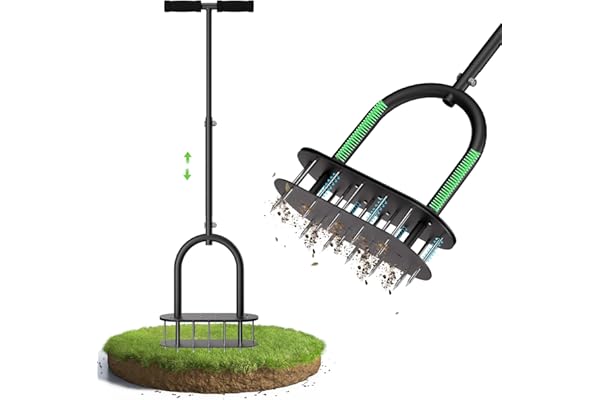
Breathe Life Into Your Soil
For smaller yards, a manual core aerator is an effective and affordable tool to relieve compaction immediately.
Check Price on Amazon3. Nutrient Deficiencies & Imbalances
Grass is a hungry plant. It requires a steady diet of Nitrogen (N), Phosphorus (P), and Potassium (K). When these are lacking, the lawn sends visual distress signals.
| Nutrient | Role in Plant | Deficiency Symptom | Solution |
|---|---|---|---|
| Nitrogen (N) | Leaf growth and green color | Pale green or yellow blades; slow growth | Apply high-nitrogen fertilizer |
| Phosphorus (P) | Root development | Purple or reddish tint to blades | Apply starter fertilizer or bone meal |
| Potassium (K) | Stress tolerance and disease resistance | Yellowing edges of blades; easy wilting | Apply Potash or winterizer fertilizer |
Always perform a soil test before applying heavy phosphorus, as it is regulated in many states due to runoff concerns.
4. pH Imbalance: Acid vs. Alkaline
You can throw hundreds of dollars of fertilizer on your lawn, but if the pH is wrong, the grass is chemically “locked out” from absorbing it. Most turfgrasses prefer a slightly acidic to neutral pH (6.0 to 7.0).
- Acidic Soil (Below 6.0): Common in rainy regions. Causes moss growth and magnesium deficiency. Solution: Apply Lime (Calcium Carbonate).
- Alkaline Soil (Above 7.5): Common in dry regions. Causes iron chlorosis (yellowing). Solution: Apply Elemental Sulfur.
5. Overwatering & Drought Stress
Water is life, but too much is a death sentence. Many homeowners kill their lawns with kindness by watering every day for 10 minutes. This promotes shallow roots that fry in the summer heat.
The Problem: Hydrophobic Soil & Waterlogging
Sometimes the soil is so dry it repels water (hydrophobic), or so dense it holds it like a swamp. If you have squishy soil, check our guide on how to fix a waterlogged lawn.
The Solution: Deep and Infrequent
Water your lawn deeply (1 to 1.5 inches of water) once or twice a week. This forces roots to dive deep into the soil to find moisture.

Water Smarter, Not Harder
A smart sprinkler controller automatically adjusts watering based on local weather, preventing overwatering.
View on Amazon6. The Weed War: Broadleaf vs. Grassy
Weeds are opportunists. They only thrive where the grass is weak. To fight them, you must identify the enemy.
Broadleaf Weeds (Dandelions, Clover, Chickweed)
These have wide leaves and distinct flowers. They are easily treated with selective herbicides that kill the weed but spare the grass.
Grassy Weeds (Crabgrass, Poa Annua)
These look like grass but grow faster and uglier. Crabgrass is the most notorious. Once it sprouts, it is hard to kill without damaging your lawn. The best defense is a pre-emergent herbicide applied in early spring. If they have already sprouted, read our guide on how to get rid of weeds without killing grass.
7. Fungal Diseases: Identification & Cure
Fungi love warm, humid, and damp environments. If you water at night, you are inviting fungus to the party.
Common Fungal Villains
- Brown Patch: Circular brown areas with a dark ring (“smoke ring”) around the edge. Common in Tall Fescue during humid summers. Learn more about Brown Patch fungus treatment.
- Rust: Leaves your lawn looking orange or yellow. If you walk across it and your shoes turn orange, it’s Rust.
- Dollar Spot: Silver-dollar-sized bleached spots that can merge into large dead areas. Often caused by low nitrogen.

Stop The Spread
Apply a broad-spectrum fungicide at the first sign of disease to save your turf from permanent damage.
Check Price on Amazon8. Pest Infestations: Grubs & Surface Insects
Insects attack from two fronts: below ground and above ground.
Subsurface: White Grubs
Grubs are the larvae of beetles (Japanese Beetles, June Bugs). They feast on grass roots. Signs include increased activity from digging animals (skunks, raccoons) and turf that rolls up like a carpet.
Surface: Chinch Bugs & Armyworms
Chinch bugs suck the sap out of grass blades, injecting a toxin that kills the plant. They love hot, dry areas. Armyworms move in battalions, eating the green tissue and leaving brown stalks behind overnight.
9. Thatch Buildup: The Suffocation Layer
Thatch is a layer of living and dead organic matter (roots, shoots) that sits between the green grass blades and the soil surface. A little thatch (1/2 inch) is healthy—it insulates the crown. Too much thatch (over 1 inch) is a barrier.
The Dangers of Thick Thatch
- Prevents water and fertilizer from reaching the soil.
- Harbors insects and disease.
- Promotes shallow rooting in the thatch layer rather than the soil.
Solution: Use a dethatching rake or a power rake (scarifier) to mechanically remove this layer.
10. Shade Stress & Thinning
Most turfgrasses, especially Bermuda and Kentucky Bluegrass, crave full sun (6-8 hours). When trees grow larger, lawns underneath begin to thin out and disappear.
Shade Solutions
- Prune Trees: Limb up the lower branches to allow more filtered light.
- Change Grass Type: Switch to shade-tolerant varieties like Fine Fescue or St. Augustine.
- Mow Higher: Longer grass blades have more surface area for photosynthesis, helping them survive in low light.
11. Pet Urine & Traffic Spots
Dog urine is high in nitrogen and salts. In small amounts, it fertilizes the grass (dark green spots). In high concentrations, it burns it (dead brown center with green ring).
The Fix
Immediately dilute the area with water after your pet goes. For established dead spots, rake out the dead grass, flush the soil to remove salts, and reseed. Training your pet to use a designated mulched area is the only permanent solution.
12. Mower-Induced Problems
Sometimes, the problem isn’t nature—it’s your machine. A mower in poor condition can destroy a lawn.
Dull Blades
A dull blade tears the grass rather than slicing it. This leaves jagged, white tips that look hazy and are prone to disease. Ensure your equipment is ready by learning how to sharpen lawn mower blades properly.
Scalping
Cutting too low removes the plant’s food source (leaves) and exposes the soil to weed seeds. Never remove more than 1/3 of the grass blade in a single mow.
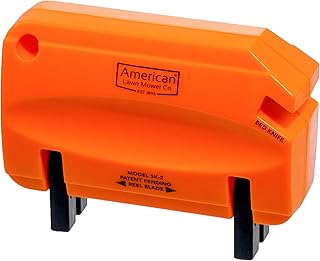
Keep It Sharp
A sharp blade is the secret to a professional-looking cut. Sharpen your blades at least twice a season.
Find Sharpening ToolsFrequently Asked Questions
Why does my lawn have brown patches?
Brown patches are typically caused by fungal diseases (like Brown Patch or Dollar Spot), grub infestation, or drought stress. To distinguish, check if the grass pulls up easily (grubs) or has lesions on the blades (fungus).
How often should I aerate my lawn?
For clay soils or high-traffic lawns, aerate once a year (preferably in fall for cool-season grass, late spring for warm-season). Sandy soils may only need aeration every 2-3 years.
Can I just put seed over weeds?
No. Weeds will outcompete new grass seedlings for water and nutrients. You must remove or treat the weeds first, then aerate and seed the area for the best results.
What causes mushrooms to grow in my lawn?
Mushrooms indicate healthy organic material in the soil, usually decaying wood or roots. They are generally harmless but can be a sign of excessive moisture or drainage issues.
Why is my grass turning yellow?
Yellow grass often indicates a Nitrogen deficiency, Iron chlorosis (due to high pH), or overwatering which suffocates the roots.
Does mowing short kill weeds?
No, mowing short actually encourages weeds. It stresses the grass and allows sunlight to reach weed seeds in the soil. Mowing high shades the soil and prevents weed germination.
How do I fix dog urine spots?
Flush the area with water immediately. For dead spots, rake away the dead grass, apply a soil neutralizer or gypsum, and reseed the area.
Is moss bad for my lawn?
Moss itself isn’t harmful, but it is a symptom of underlying problems: shade, acidic soil, and poor drainage. You must fix these conditions to permanently remove moss.
Conclusion
Diagnosing lawn problems is a skill that improves with observation. By learning to recognize the signs of thirst, hunger, disease, and pests, you can intervene before minor issues become major renovations. Remember, the best defense against lawn problems is a thick, healthy turf. Proper mowing, watering, and feeding prevent 90% of issues before they start.
Don’t be discouraged by a few setbacks. With the right tools and knowledge, you can restore your lawn to health. If you’re ready to take preventative measures, consider upgrading your maintenance routine today.