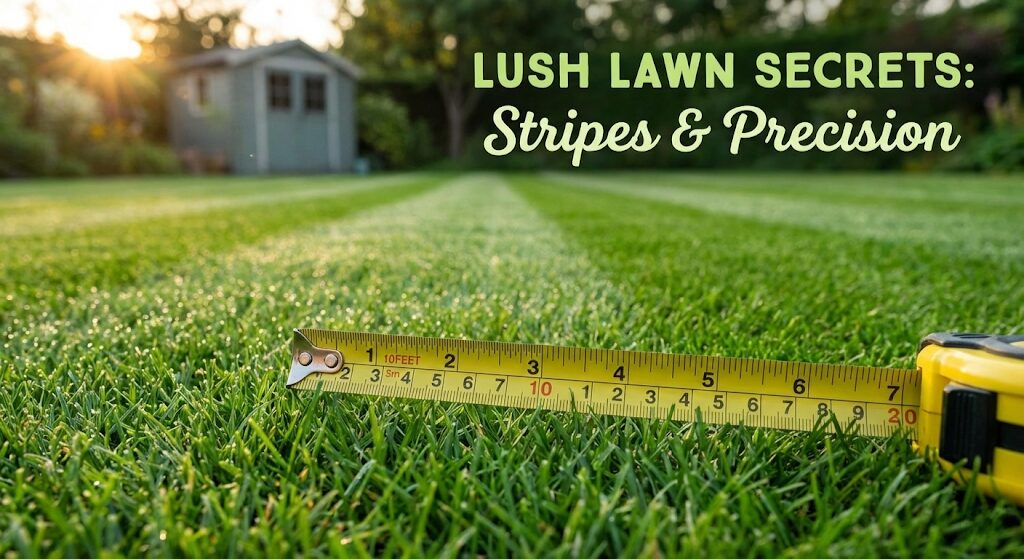
The Ultimate Lawn Grass Cutting Height Chart: Perfect Mow Every Time
Mowing seems simple — until you see brown tips, scalped patches, or a lawn that turns yellow overnight. After years of developing software (and debugging my own turf), I learned that cutting height is the kernel of lawn health. Get it right, and you automatically suppress weeds, deepen roots, and save water. This detailed guide gives you the lawn grass cutting height chart for every common species, plus the science of why it works. We’ll weave in pro tips from Lawn Care 101 and show how height interacts with drainage, leveling, and recovery.
🌱 1. Why cutting height is non‑negotiable
Grass is solar-powered. Each blade is a leaf that photosynthesizes to feed roots. When you cut too short (scalp), you starve the plant. Taller blades shade soil, reducing evaporation and blocking weed seeds. A lawn grass cutting height chart isn’t just aesthetic — it’s survival. For example, cool‑season fescue mowed above 3” develops roots 4” deeper than fescue hacked to 1.5”. And deeper roots mean better access to moisture and nutrients, exactly what you need after reading How to Improve Lawn Drainage.
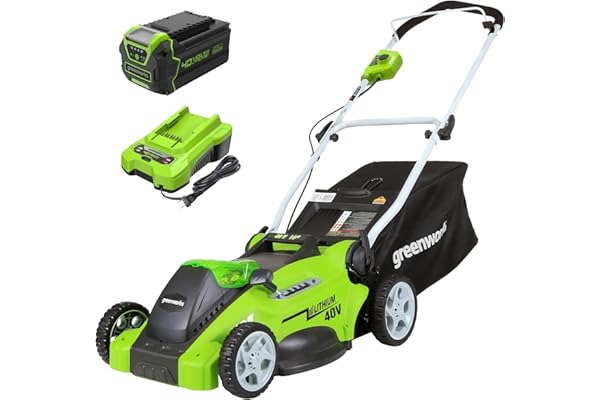
Precision mowing starts here
Adjustable mowers with sharp blades make height control effortless. Check latest deals.
🔧 View mowers on Amazon📊 2. definitive lawn grass cutting height chart (by species)
| Grass type | Optimal height (inches) | Notes |
|---|---|---|
| Bermudagrass (warm) | 1 – 1.5 | Can be lower for hybrid; never remove >⅓ |
| Zoysia (warm) | 1 – 2 | Keep higher in shade |
| St. Augustine (warm) | 2.5 – 4 | Very shade‑tolerant; higher is healthier |
| Kentucky bluegrass (cool) | 2.5 – 3.5 | Raise during summer heat |
| Tall fescue (cool) | 3 – 4 | Drought‑tolerant at 4” |
| Perennial ryegrass (cool) | 2 – 3 | Often mixed with bluegrass |
| Fine fescue (cool) | 2.5 – 4 | Prefers low fertility, higher cut |
Pro tip: during spring and fall, keep cool‑season grasses on the higher side to crowd out weeds — exactly as detailed in How to Get Rid of Weeds Without Killing Grass.
✂️ 3. The ⅓ rule — never break it
You’ve heard it: never remove more than one‑third of blade height in a single mow. If your lawn is 3”, never cut below 2”. Ignoring this leads to shock, browning, and weak regrowth. That’s where scalping invites diseases like lawn rust fungus. Use your height chart to mow frequently during growth spurts, not severely.
✅ following ⅓ rule
- Deep roots
- Dark green color
- Fewer weeds
❌ breaking ⅓ rule
- Scalped yellow tips
- More watering
- Disease prone
☀️❄️ 4. Cool‑season vs warm‑season height logic
Warm‑season grasses (Bermuda, Zoysia) thrive in heat and can be cut lower; they spread via stolons. Cool‑season (fescue, bluegrass) grow tall and should almost never dip below 2.5”. Using the wrong height invites moss and bare spots. This directly connects to leveling a bumpy lawn — uneven terrain causes inconsistent cut heights.
🔄 5. Cutting patterns, mower types & height accuracy
Reel mowers give a scissor cut (best for low Bermuda). Rotary decks can leave uneven tips if blades are dull. Robotic mowers like those in Segway Navimow review maintain constant height but need boundary wires. For a perfect finish, alternate patterns to avoid ruts and compaction — which we cover in How to Fix a Waterlogged Lawn.
🍂 6. Mulching vs bagging: does height change?
Mulching returns nutrients. To mulch effectively, you need the right height: never let clumps sit on top. Keep grass at 3”+ so clippings fall down. Bagging is for renovation or when you’ve let it grow too long. See our mulching blade comparison.

Mulching blades + height gauge
Sharper blades = cleaner cut. Grab a set with height tool.
🛒 Shop mulching blades📆 7. Seasonal height shifts (spring, summer, fall)
Spring: start low‑normal to remove debris. Summer: raise 0.5” to shade soil. Fall: gradually lower so leaves don’t smother. Winter: if grass grows, keep at maintenance height. Align with Lawn Maintenance Tips for Summer.
🏋️ 9. Why a level lawn gives consistent height
Bumpy yards create high spots that get scalped. Use topdressing to level dips. Our guide How to Level a Bumpy Lawn shows how to combine sand/compost for a putting‑green finish — then your mower follows the terrain without scalping.
💧 10. Drainage, root depth & mowing height
Poor drainage = shallow roots. Shallow roots can’t support tall grass. Fix waterlogging first (Improve Lawn Drainage). Then raise height gradually as roots strengthen.
🆘 11. Reviving a lawn cut too short
If you scalped it, don’t fertilize immediately. Water lightly, raise mower, and let it recover. In severe cases, you may need to Revive a Dead Lawn. The height chart is your recovery roadmap.
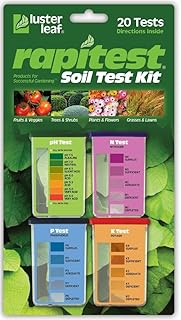
💦 12. Watering & mowing synergy
Never water right before mowing — wet grass clumps and uneven cut. Water deeply after mow (if needed) to aid recovery. Check Sprinklers vs Drip Irrigation for optimal hydration.
⚙️ Mower type & ideal cutting range
| Mower type | best height range | notes |
|---|---|---|
| Reel mower | 0.5 – 2” | Perfect for Bermuda / putting greens |
| Rotary (gas/elec) | 1.5 – 4” | Most versatile |
| Robotic mower | 2 – 3.5” | Constant light trimming |
❓ Lawn height FAQs (with expert answers)
✅ Your perfect lawn starts with height
Now you’ve got the most detailed lawn grass cutting height chart and the know‑how to apply it. Pair this with regular blade sharpening, smart watering, and soil care — all covered on bestlawntools.com. Bookmark this guide and share it with your mowing buddies.