8 transformative benefits of lawn aeration: why your turf is gasping for air
If your lawn looks tired, struggles in summer, or turns into a sponge after rain, the culprit is often suffocated soil. Aeration — punching thousands of tiny holes — is the single most underrated yard treatment. It’s not just about letting air in; it triggers a cascade of health benefits. Below we unearth eight science‑backed advantages, from fixing drainage to slashing fertilizer bills. Plus we’ll weave in expert insights from Lawn Care 101 and other essential reads.
1. Smashes soil compaction — the breath of fresh air your lawn craves
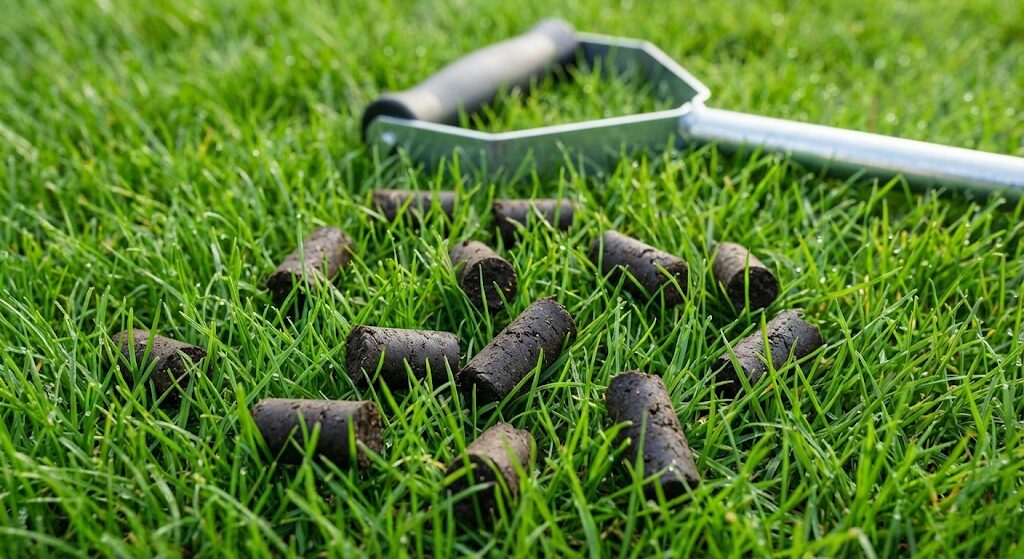
Compacted soil is a silent killer. Foot traffic, mowers, and even heavy rain press particles together, leaving zero room for air, water, and roots. Core aeration physically removes plugs of soil, shattering that dense layer. Roots can finally stretch out. Aeration is the prerequisite for every other improvement. Without it, your fertilizing efforts barely scratch the surface.
✨ signs you need it
- water puddles hours after rain
- grass thins out in high‑traffic zones
- soil feels rock‑hard
⚠️ without aeration
- roots stay shallow
- drought stress accelerates
- that ch buildup worsens
2. Deep, drought‑proof root systems
When you open the soil, roots instinctively plunge deeper searching for nutrients and moisture. Deep roots mean your lawn survives summer bans on watering. In fact, aeration directly complements how to improve lawn drainage — roots become conduits for water movement. A single annual aeration can double effective root depth.

🚜 core aerator — the real deal
Hollow‑tine manual or tow‑behind aerator. Removes plugs, not just pokes.
check price on Amazon3. Turbocharges water & nutrient uptake (save 30% on bills)
Those holes act like mini reservoirs. Water sinks in instead of running off. Fertilizer reaches the root zone, not the street. Compare the efficiency:
| aspect | non‑aerated lawn | after aeration |
|---|---|---|
| water infiltration (min/inch) | 12–20 min | 3–7 min |
| fertilizer wasted | up to 40% | <5% |
| runoff after storm | high | minimal |
Pair aeration with smart irrigation — check our sprinklers vs drip irrigation guide to fine‑tune watering.
4. Natural thatch demolition (without dethatching)
Thatch — the spongy layer of dead stems — chokes grass when thicker than ½ inch. Aeration invites soil microbes and earthworms to the party; they feast on thatch. It’s the organic way to break it down. For severe cases, combine with dead grass removal methods.
5. Levels bumps & fixes waterlogged spots
Uneven lawns = mower scalping + puddles. Aeration is step one in how to level a bumpy lawn. After pulling plugs, you topdress with sand/compost that sifts into holes, gradually flattening depressions. Goodbye hidden gopher holes.

⛏️ leveling rake + aerator shoes
Spread topdressing evenly after aeration for a pro finish.
view on Amazon6. Fortifies against fungus & lawn rust
Fungus loves damp, stale air. Aeration opens the canopy, lets grass dry faster, and reduces humidity at soil level. It’s a frontline defense against brown patch. For active infections, read how to treat lawn rust fungus. Healthier soil also means less disease overall.
7. Revives soil biology — the invisible workforce
Beneficial bacteria, fungi, and earthworms need oxygen. Aeration triggers a population boom. Worms move in, creating natural tunnels. This is exactly what you want when you revive a dead lawn — life in the dirt.
| soil organism | pre‑aeration | post‑aeration (4 weeks) |
|---|---|---|
| earthworms per sq.ft | 2–5 | 12–18 |
| microbial respiration | low | high |
8. Maximises mower performance & tool efficiency
Bumpy, compacted lawns force you to sharpen lawn mower blades constantly — they hit high spots and dull fast. After aeration + leveling, your mower glides, cut is cleaner, and battery life (if electric) improves. Even robot mowers navigate better.
⚖️ core aeration vs spike aeration — which one wins?
| feature | core (plug) aeration | spike aeration |
|---|---|---|
| soil removal | yes — pulls 2‑3″ plugs | no — just pokes holes |
| compaction relief | excellent — physically decompacts | minimal — can increase compaction around holes |
| thatch reduction | brings microbes up, accelerates decay | no effect |
| best for | clay, high traffic, soggy lawns | sandy soil, quick surface perk |
For deep‑rooted benefits, core aeration is the gold standard. Spikers are better suited to sandy loam with mild compaction.

👟 aerator sandals (small spots)
For tiny patches or while you walk the dog — they poke holes but don’t core.
check price❓ lawn aeration FAQs — your top 10 questions
🌿 breathe life into your lawn today
Aeration is the closest thing to a lawn reset button. Whether you DIY with a rented aerator or hire a pro, your turf will thank you with deeper roots, fewer weeds, and resilience. Pair it with smart watering schedules and regular maintenance. Grab the right tools above and give your lawn the breath it’s been missing.
shop aeration essentials →