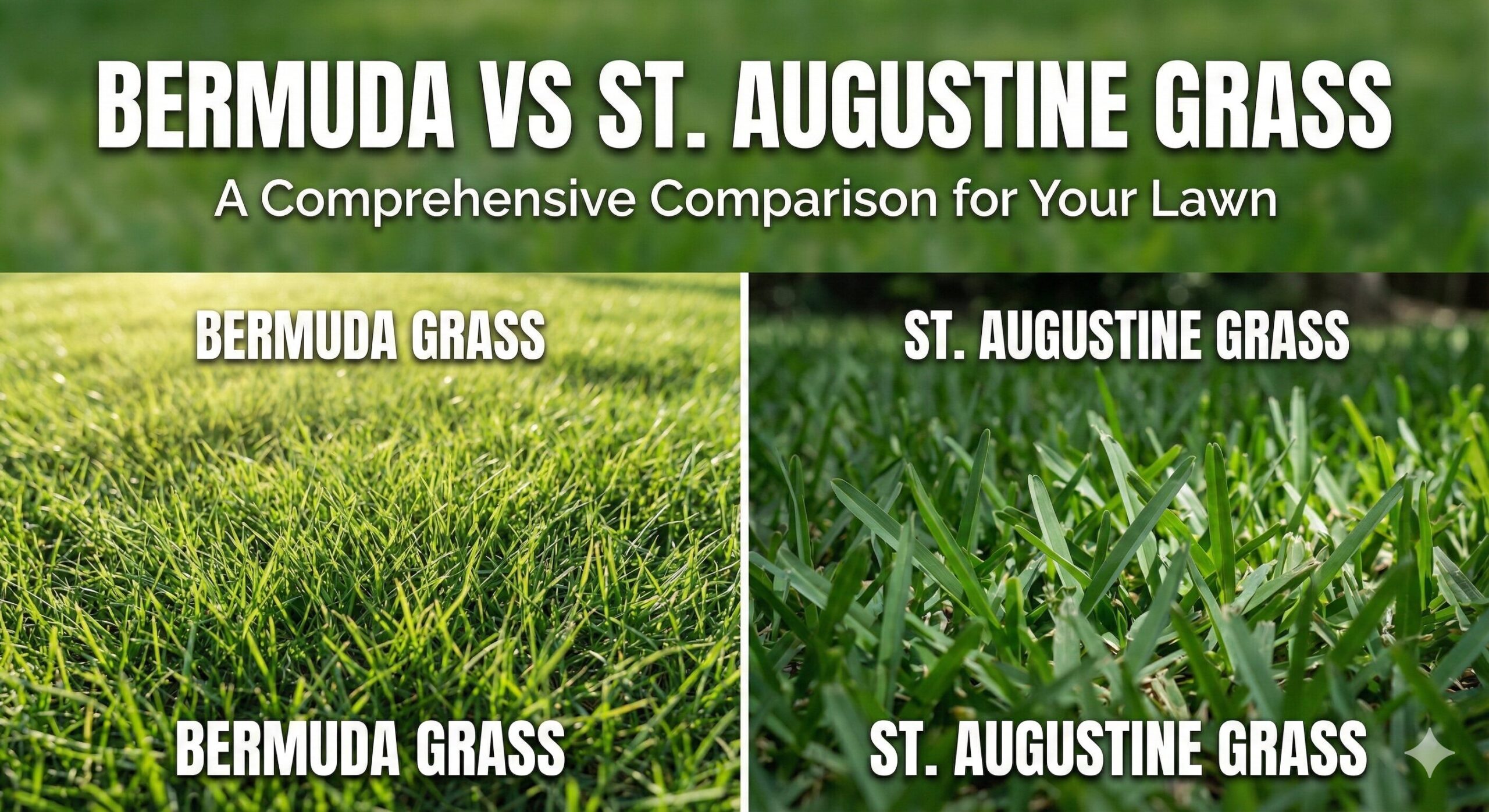
Bermuda vs. St. Augustine Grass: Which Warm-Season Turf Wins?
Choosing the right grass for your lawn is a 10-year commitment. Pick the wrong one, and you’ll spend thousands on water, pest control, and resodding. If you live in a warm climate (the South or Transition Zone), your choice usually comes down to two heavyweights: the aggressive athlete, Bermuda, or the lush carpet, St. Augustine.
In this guide, we break down the critical differences—from shade tolerance to mowing heights—so you can stop guessing and start planting the lawn your neighbors will envy.
⚡ Quick Decision: Which Should You Choose?
Don’t have time for the deep dive? Here is the cheat sheet:
- Choose BERMUDA if: You have 100% full sun, high foot traffic (kids/dogs playing sports), and you want a lawn that can repair itself quickly. It is cheaper but requires more mowing.
- Choose ST. AUGUSTINE if: You have shade (trees/fences), you want a thick “carpet” feel under bare feet, and you prefer mowing less frequently. It requires more water and is more expensive to install.
- The Dealbreaker: If your yard gets less than 6 hours of direct sun, you must go with St. Augustine (or Zoysia). Bermuda will die in the shade.
Bermuda Grass: The Durable Athlete
Bermuda grass is the “tough guy” of the lawn world. It is the standard for golf courses and athletic fields across the South because it is incredibly resilient.
Key Characteristics
Bermuda grows via stolons (above ground) and rhizomes (below ground). This aggressive growth habit means if a spot gets worn out by the dog or a golf swing, it fills back in rapidly.
✅ Pros
- High Traffic Tolerance: Can handle rough play.
- Drought Resistant: Goes dormant (brown) in drought but bounces back.
- Self-Repairing: Aggressive creepers fill in bare spots.
- Salt Tolerance: Good for coastal areas.
❌ Cons
- Zero Shade Tolerance: Will thin out and die under trees.
- Invasive: Will crawl into your flower beds and garden.
- High Maintenance: Needs frequent mowing (sometimes twice a week) and lots of Nitrogen.
Because Bermuda grows so fast, you need to stay on top of your nutrient game. Check out our Liquid vs Granular fertilizer guide to decide the best way to feed this hungry grass.
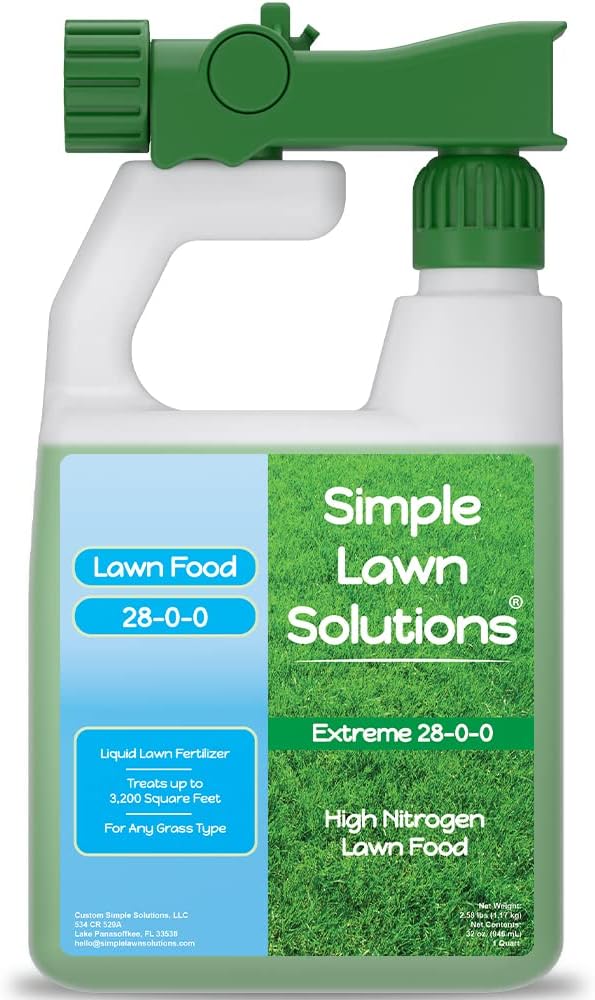
Feed the Beast: Bermuda craves Nitrogen. Simple Lawn Solutions High N formula pushes rapid growth and deep green color.
Check Price on AmazonSt. Augustine Grass: The Lush Carpet
St. Augustine is famous for its wide, coarse blades and blue-green color. It creates a dense mat that feels amazing to walk on barefoot. It is the most popular choice for residential lawns in Florida and the Gulf Coast.
Key Characteristics
Unlike Bermuda, St. Augustine only grows via stolons (above ground runners). It establishes quickly from sod but cannot be started from seed. It thrives in hot, humid climates and is the most shade-tolerant of the warm-season grasses.
✅ Pros
- Shade Tolerant: Varieties like ‘Seville’ or ‘Palmetto’ do well with partial sun.
- Weed Choking: Grows so thick it naturally crowds out weeds.
- Salt Tolerant: Excellent for beachside properties.
- Aesthetic: Deep, rich color and coarse texture.
❌ Cons
- Water Hungry: Needs regular irrigation to stay green.
- Traffic Sensitive: Doesn’t recover well from heavy foot traffic.
- Pest Prone: A favorite snack for Chinch Bugs.
- Sod Only: You cannot buy St. Augustine seed; you must lay sod or plugs.

Protect St. Augustine from Chinch Bugs: BioAdvanced Complete Insect Killer stops pests before they destroy your sod.
Check Price on AmazonHead-to-Head Comparison
Here is how they stack up in the most critical categories for homeowners.
| Feature | Bermuda Grass | St. Augustine Grass |
|---|---|---|
| Shade Tolerance | Poor (Needs 8+ hours sun) | Good (Can handle 4-6 hours sun) |
| Drought Tolerance | Excellent | Moderate |
| Traffic Tolerance | Excellent (Self-repairs) | Poor (Slow recovery) |
| Mowing Height | Low (0.5″ to 1.5″) | High (2.5″ to 4″) |
| Establishment | Seed, Sod, or Sprigs | Sod or Plugs Only |
| Cold Tolerance | Moderate | Poor (Tropical only) |
What to Look For When Buying Sod
Before you order pallets of sod, you need to prepare the ground. No grass will thrive on bad dirt.
1. Soil Preparation
Both grasses prefer a pH between 6.0 and 7.0. If your soil is too acidic or alkaline, nutrients will be locked out. Always learn how to test lawn soil pH before installation.
2. Selecting Varieties
- Bermuda Varieties: TifTuf (drought king), Celebration (darker color), Common (cheaper, seeded).
- St. Augustine Varieties: Floratam (standard, loves sun), Palmetto (cold/shade hardy), Seville (shade specialist).
Maintenance & Equipment Requirements
Your choice of grass dictates your mower choice.
Mowing Bermuda
Bermuda looks best when cut short (under 1.5 inches).
- Mower Type: Reel mowers are ideal for that golf-course look. If using a rotary mower, you need a high-quality engine that maintains blade speed to prevent tearing.
- Frequency: Every 4-5 days during peak summer.
Mowing St. Augustine
St. Augustine must be cut high (3 to 4 inches). Cutting it too short exposes the stolons to the sun and kills the grass.
- Mower Type: A standard rotary mower with high deck adjustments is perfect. You need high lift blades to stand the grass up for a clean cut.
- Blade Sharpness: Crucial. St. Augustine blades shred easily. Check our guide on how to sharpen lawn mower blades to ensure a clean cut that prevents fungal disease.
Fertilization
Bermuda is a heavy feeder (needs 4-5 lbs of Nitrogen per year). St. Augustine needs less (2-4 lbs). For an organic approach that works well on both without burning, read our Milorganite fertilizer review.
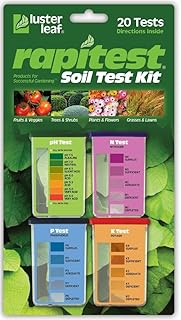
Don’t guess with your investment. The Sonkir Soil pH Meter ensures your new sod is going into the perfect environment.
Check Price on AmazonTroubleshooting Common Problems
Often caused by Chinch Bugs sucking the juice from the grass, or Iron Chlorosis (high pH). Check for bugs at the border of the dead/green grass.
Not enough sun. Bermuda will grow tall and thin looking for light. If you can’t trim trees, you may need to switch grass types.
Large Patch or Brown Patch fungus. Common in shoulder seasons (Spring/Fall) when moisture is high and temps are mild. Reduce watering and apply fungicide.
Final Verdict
The battle of Bermuda vs St. Augustine grass really comes down to your environment and your lifestyle.
If you want a low-maintenance mowing schedule and have shady oak trees, St. Augustine is your winner. It provides that classic, thick southern lawn look.
If you want a high-performance lawn for kids, dogs, and backyard sports, and you have plenty of sun, Bermuda is the superior choice. It will take a beating and come back for more.